30 Clever Foreshadowing Examples for Cohesive Writing

Foreshadowing is a powerful literary device used to hint at future events in a story. Whether subtle or obvious, foreshadowing helps build suspense, create cohesion and keep readers engaged.
Note: Some examples include spoilers from books and films.
Table of Contents
What Is Foreshadowing?
Foreshadowing is a storytelling technique where writers give clues or hints about events that will happen later in the narrative.
These hints are not directly stated—instead, they’re implied through:
- Dialogue
- Symbolism
- Character behavior
- Setting details
Example:
If a character is compared to someone who previously died, it may subtly suggest a similar fate.
Where Is Foreshadowing Commonly Used?
1. Foreshadowing in Literature
Foreshadowing is widely used in novels, short stories, and plays to build tension and guide readers toward future events.
For example:
- In Macbeth, prophecies hint at future outcomes while remaining open to interpretation.
- Many authors like Shakespeare, Margaret Atwood and Agatha Christie use foreshadowing to craft layered narratives.
2. Foreshadowing in Film and TV
In movies and TV shows, foreshadowing often appears through:
- Visual symbolism
- Camera angles
- Dialogue
Example:
In Psycho, a character compares his mother to a harmless bird—hinting at the later reveal involving preserved bodies.
3. Foreshadowing in Everyday Storytelling
Even casual storytelling uses foreshadowing.
Common phrases include:
- “What are the chances that this happens?”
- “This will be important later.”
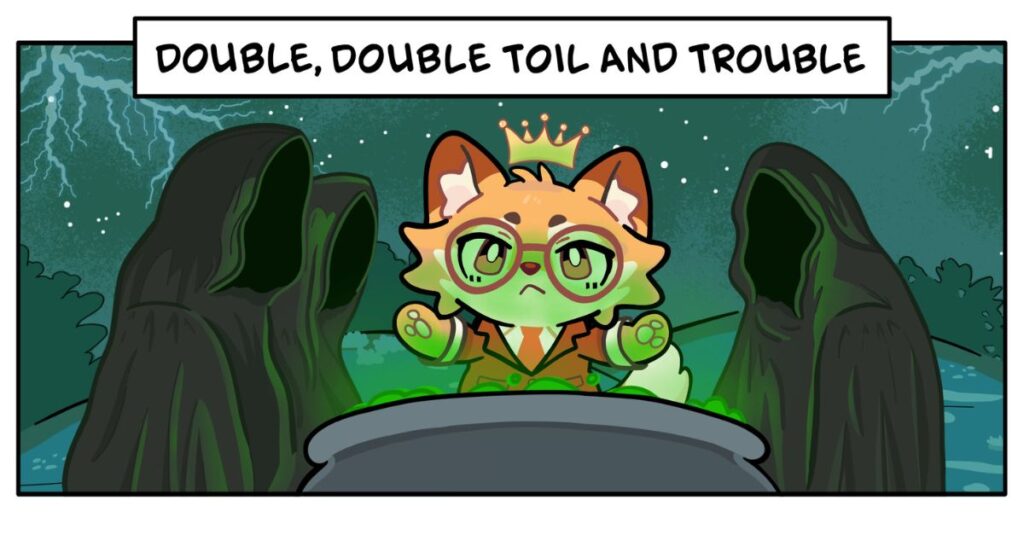
Literary Foreshadowing Examples
| Phrase | Explanation |
| “The ominous clouds hinted at the coming storm” | Alluding to future conflict or trouble |
| “Little did she know, the letter would change everything” | Signals a major turning point |
| “Of course, this wasn’t over just yet” | There will be more conflict in the future |
| “But Peter just had to jinx it by saying that” | Suggests ironic consequences |
| “That piece of paper would change my life forever” | Highlights future importance |
| “He looked at the gun, his hand twitching” | Suggests forthcoming action |
| “Lets just hope this goes well” | Implies things will go wrong |
Film and TV Foreshadowing Examples
| Foreshadowing | Examples |
| Visual motifs predicting character outcomes | The stuffed birds in Psycho alluding to the final twist. |
| Dialogue that subtly reveals future twists | The shop keeper slowly showed his real allegiance in 1984. |
| Camera focus on seemingly unimportant objects | The poison and Walter always being shown as connected in Breaking Bad. |
| Sudden backstory reveals before a character’s death | The assassins of La Squadra, from Jojo’s Bizarre Adventure. |
| Characters mysteriously disappearing from scenes | Stu randomly moves out of the camera’s view in Scream. |
| Vague motivations hinting at hidden agenda | Hans not being truly honest about his intention in Frozen. |
| Partial prophecies revealed over time | The prophecy Cersei listens to in Game of Thrones. |
Theatrical Foreshadowing Examples
| Foreshadowing | Example |
| Prop placement or repeated lines indicating plot twists | The gun being constantly shown in Hamilton. |
| Dramatic irony (audience knows more than characters) | In Romeo and Juliet, the audience knows Juliet is alive after taking the potion, but Romeo believes she’s dead, leading to tragedy. |
| Dialogue that subtly reveals future events | In Heathers, dialogue subtly hints at Martha’s later suicide attempt. |
| References to off-stage events that later matter | In Farewell, Mister Haffmann, the threat of the Nazis drives the plot, despite their late appearance. |
| Certain musical cues being repeated tied to themes | The word “monster” being constantly repeated in Epic: The musical |
| A character describing their motivations in a vague way | Burr saying he wants to be in “the room where it happened” in Hamilton |
Everyday & Creative Foreshadowing Examples
- “So this guy takes a glass of water…”
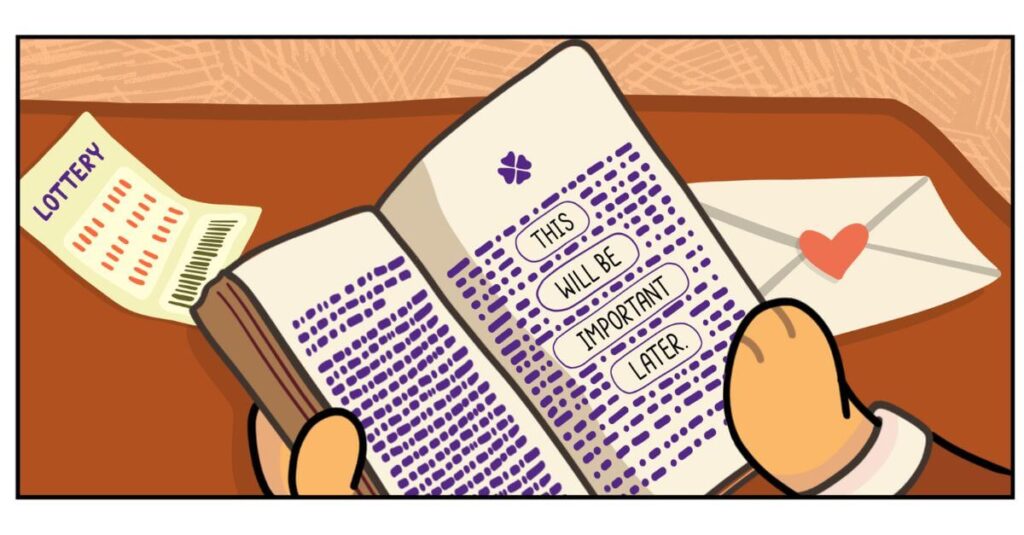
- “This will be important later.”
- “What are the odds he knows French?”
- Establishing habits that later become relevant
- Mentioning past trauma that shapes future events
How to Use Foreshadowing Effectively
To use foreshadowing well in your writing:
Do:
- Add subtle hints during early scenes
- Use symbolism and recurring motifs
- Revisit your draft and insert clues during editing
- Study stories you already know to spot patterns
Avoid:
- Making hints too obvious
- Overusing foreshadowing
- Confusing readers with unclear clues
When Should You Use Foreshadowing?
Appropriate Uses:
- Fiction writing (novels, short stories, poetry)
- Screenwriting and film
- Theater and stage productions
- Storytelling in blogs, podcasts and speeches
Inappropriate Uses:
- Academic or technical writing
- Business reports or formal documents
- Situations requiring clarity and direct communication
Why Foreshadowing Matters
Foreshadowing:
- Builds suspense
- Creates narrative cohesion
- Rewards attentive readers
- Enhances emotional impact
Looking Ahead
Foreshadowing is a valuable storytelling tool that helps writers craft engaging, layered narratives. Whether subtle or direct, well-placed hints can transform an ordinary story into a compelling one.
Start practicing by analyzing stories you already know—and then experiment with adding your own foreshadowing during revisions.
Learn more about how watching TV shows and movies can boost your English skills, from vocabulary and pronunciation to listening and cultural understanding.
Did You Know?
“The storytelling rule Chekhov’s Gun, created by Anton Chekhov, means every detail in a story should serve a purpose.
If something important is introduced early, it should come back later in the plot.
It’s one of the simplest and most effective forms of foreshadowing.
If it doesn’t matter later—cut it or use it!”