24 Easy Anachronism Examples to Master English Writing
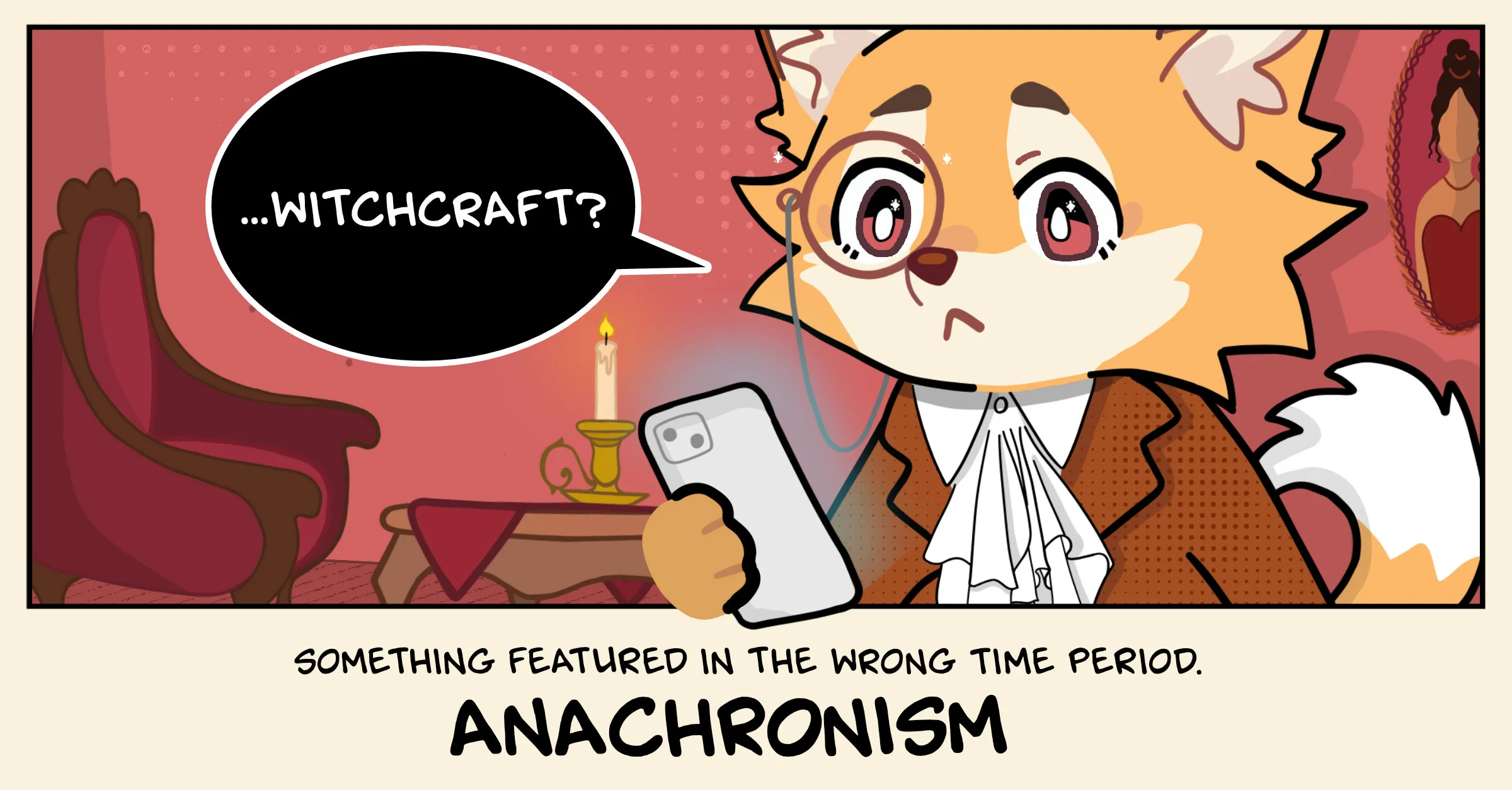
Anachronisms are a powerful storytelling tool—but when used incorrectly, they can break immersion. Whether you’re a writer, student or English learner, understanding anachronism can improve both your creativity and analytical skills.
Tips for improving your English using anachronisms
Table of Contents
What is an Anachronism?
An anachronism is something placed in the wrong time period. This could be:
- A modern object in a historical setting
- Language that didn’t exist yet
- Cultural behaviors from the wrong era
Example
A medieval knight using a smartphone.
Where Are Anachronisms Commonly Used?
Anachronisms appear in:
- Literature and plays
- Movies and TV shows
- Art and pop culture
- Everyday storytelling
They can be intentional (for humor or clarity) or unintentional (mistakes).
Intentional vs. Unintentional Anachronism
Intentional Anachronism
Used for:
- Comedy (e.g., historical figures using slang)
- Satire or parody
- Making dialogue easier to understand
Unintentional Anachronism
Occurs due to:
- Lack of research
- Production mistakes
- Poor historical accuracy
These can reduce credibility and audience engagement.
24 Anachronism Examples (With Explanation)
1. Historical Anachronism Examples
| Anachronism | Explanation |
| A medieval knight using a smartphone | Smartphones did not exist in medieval times. |
| George Washington talking in the radio | Washington died before radio was invented. |
| Amelia Earhart going on a modern commercial plane | Amelia Earhart lived before modern commercial air travel. |
| A prehistoric man wearing modern fashion. | Prehistoric people only wore basic clothing like animal skins. |
| A band in the 1940s playing heavy metal | Heavy metal music didn’t exist in the 1940s. |
| Modern police appearing in medieval times | Medieval times had city guards instead of police officers |
2. Cultural Anachronism Examples
| Anachronism | Explanation |
| An ancient Greek saying “ok”. | “Ok” is a modern expression. |
| In ancient Asia, people traditionally removed their shoes before entering homes. | Removing shoes before entering homes has been practiced in Asia since ancient times. |
| Popular music in ancient settings. | Modern popular music didn’t exist in historical periods. |
| Scottish men wearing kilts during their war for independence. | Kilts were invented after the war. |
| Modern slang like “vibe” used in the Middle Ages. | “Vibe” is a modern slang. |
| Medieval princesses walking around London | Medieval princesses don’t exist in modern-day London. |
3. Religious & Mythological Anachronism Examples
| Anachronism | Explanation |
| Norse gods interacting with modern politicians. | Norse myths do not take place in modern times. |
| Moses speaking to modern sailors. | Moses lived long before modern times. |
| Achilles in modern wrestling competitions. | Wrestling in ancient Greece was very different from today. |
| Sun Wukong using a gun. | Guns did not exist in ancient China |
| Beowulf retold as a modern guerrilla warfare story. | Beowulf is set in ancient times, not the modern world. |
| The Odyssey set on a cruise ship. | The Odyssey is set in ancient Greece. |
| Amaterasu riding a skateboard. | Amaterasu belongs to ancient mythology, long before modern inventions like skateboards. |
4. Everyday Anachronism Examples
| Anachronism | Explanation |
| A Viking checking a wristwatch. | Wristwatches did not exist during Viking times. |
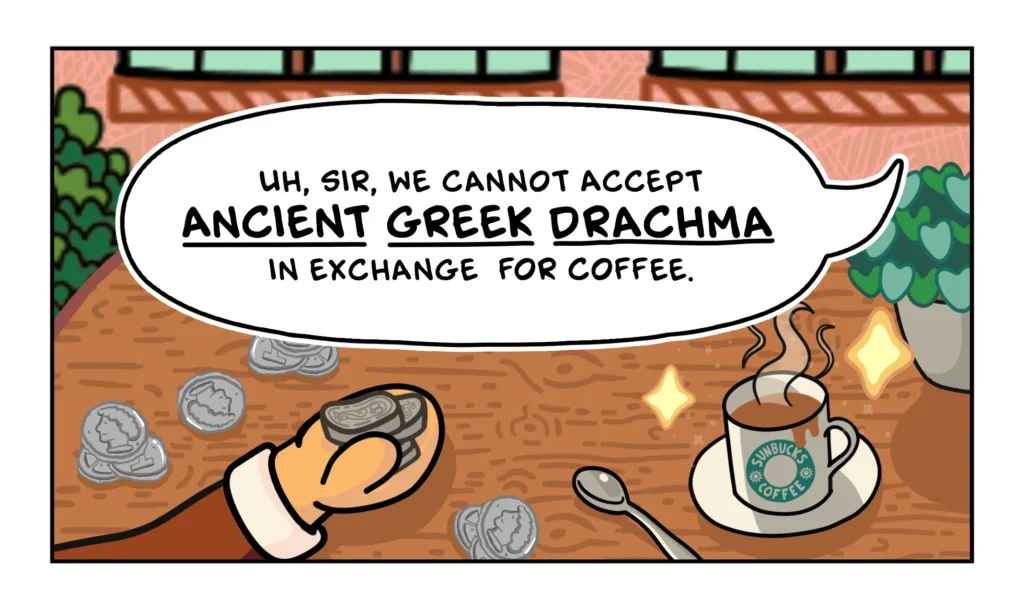
| Paying in ancient currency at a modern café. | Drachma are currency from several thousand years ago; not used in modern stores. |
| Renaissance music played through speakers | Speaker systems were not invented during the Renaissance. |
| A medieval character eating packaged snacks. | Lunchables are a modern food product. |
| Bronze Age farming using tractors. | Tractors and cars did not exist in early historical periods. |
Anachronisms in Literature, Film, and Art
Literature
Writers sometimes include anachronisms unintentionally due to limited historical knowledge—or intentionally for dramatic effect.
Movies & TV
Common in comedy and parody. Modern elements are often inserted into historical settings for humor.
Art & Pop Culture
Artists use anachronism creatively:
- Historical figures with modern items
- Classic paintings reimagined in modern styles
How to Spot Anachronisms
To improve your skills:
- Study basic history timelines
- Watch historical movies critically
- Compare language with the time period
- Practice creating your own examples
When to Use Anachronisms
Appropriate Uses
- Creative writing and storytelling
- Comedy, satire, and parody
- Teaching and simplifying complex history
- Making dialogue relatable
Inappropriate Uses
- Academic writing
- Historical research
- Professional presentations
- Documentaries requiring accuracy
Tips for Using Anachronism Effectively
- Know your time period well
- Use anachronism intentionally—not accidentally
- Keep your audience in mind
- Avoid overusing it unless for parody
- Balance creativity with clarity
Looking Ahead
Anachronisms can enhance storytelling, add humor and improve accessibility—but only when used thoughtfully. By learning to recognize and apply them correctly, you can strengthen both your English skills and your creative writing.
Did You Know?
William Shakespeare basically gave ancient Rome a time upgrade it didn’t ask for?
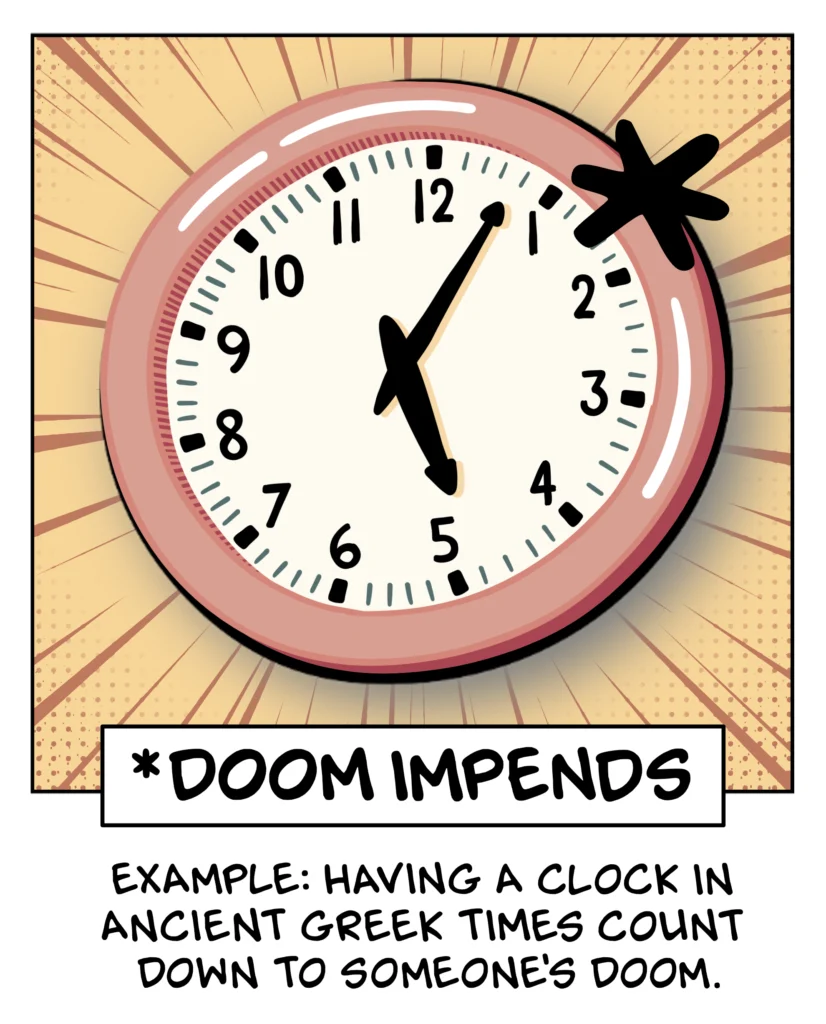
In his famous play Julius Caesar, a mechanical clock is mentioned—even though Julius Caesar lived in 44 BCE… about 1,500 years before clocks were even invented.
So yes, while Romans were busy with politics and conspiracies, Shakespeare casually added a clock like someone checking, “Hey, what time is the assassination?”
This is one of the most famous anachronism examples in English literature, and it shows how writers sometimes mix timelines—either by accident or to make stories feel more relatable to their audience.
Want to go beyond anachronisms? Explore our guide on What Is Writing and Why Do We Write? to understand how writing shapes communication, creativity and expression across time.