100+ Words to Describe How You Feel: Master Your Emotions
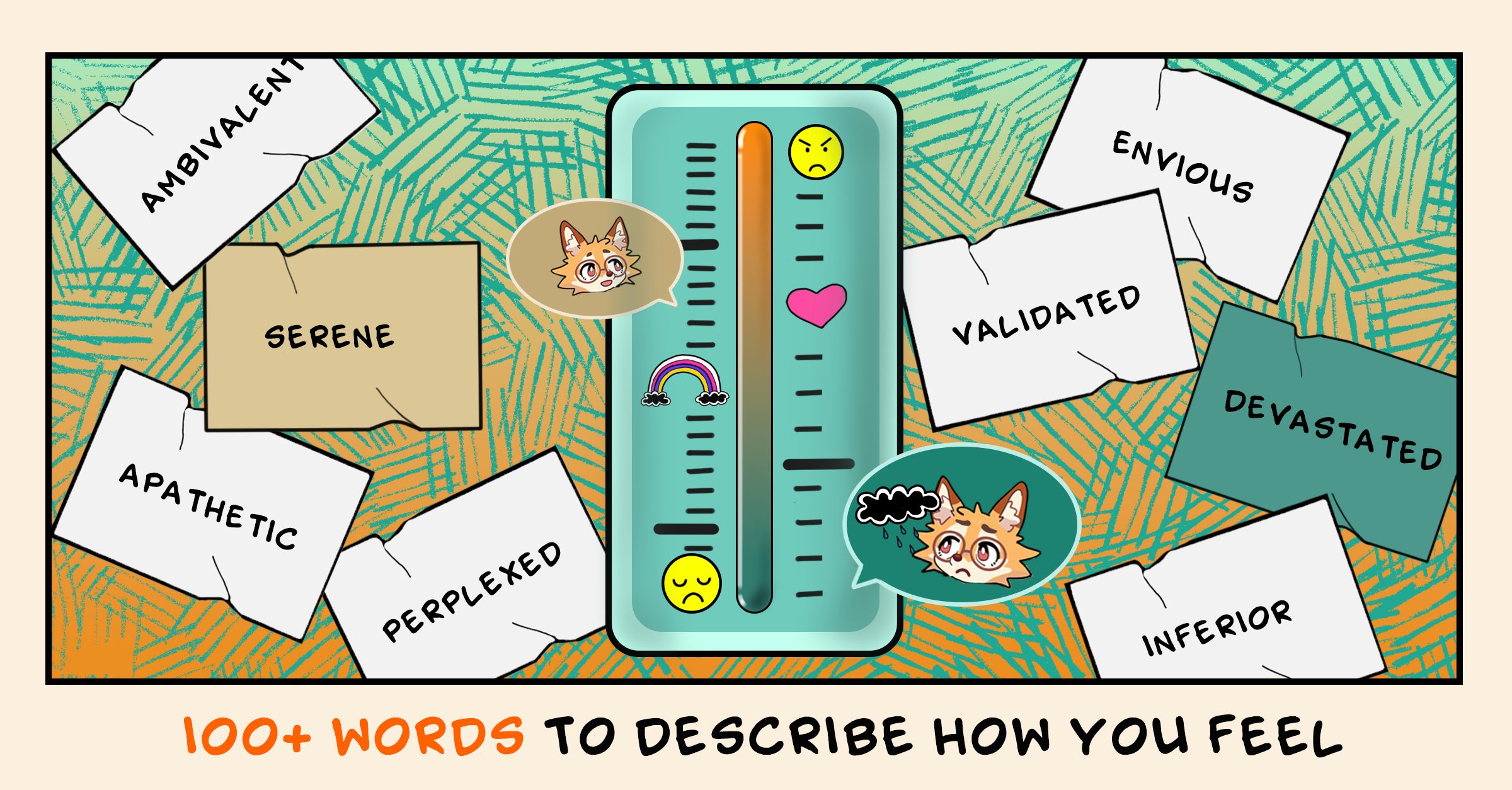
Words to describe how you feel can help you communicate your emotions more accurately and confidently. Have you ever been asked, “How are you?” only to reply with “I’m fine,” even though you were feeling much more than that?
Maybe you felt nervous before an interview, grateful for a friend’s support, or disappointed after receiving unexpected news. Yet many of us rely on just a handful of words such as good, bad, happy, or sad to describe our emotions.
The truth is, our feelings are much more complex. The more words you know, the easier it becomes to understand yourself, communicate with others, and express your thoughts with confidence.
Whether you’re learning English, writing creatively, or simply trying to explain how you feel, having a rich emotional vocabulary makes a big difference.
Table of Contents
Why is emotional vocabulary important?
Being able to describe your emotions accurately is more powerful than you might think. Using the right word helps you understand your feelings better.
For example, instead of saying “I feel bad,” you might realise you’re:
- Frustrated because something isn’t working.
- Hurt because someone ignored you.
- Nervous before an important event.
- Disappointed because things didn’t go as planned.
Compare these two sentences:
- I’m mad at you.
- I feel neglected because we haven’t spent time together.
Which one do you think best encourages a better conversation?
Quick tip: If you’re unsure about the meaning or pronunciation of a new word, check a trusted dictionary like the Oxford English Dictionary or the Merriam-Webster dictionary before using it.
Words to describe different emotions (happiness, sadness and grief, anger and frustration, fear and anxiety).
1. Happiness:
Being happy doesn’t always feel the same.
Sometimes you’re quietly satisfied after finishing a good book. Other times, you’re so excited that you can’t stop smiling.
That’s why English has many different words for happiness.
Below are some useful words grouped by how strong the feeling is:
Low-Intensity Happiness:
b When you’re happy but peaceful, these words work well.
| Word | Meaning | Example |
| Content | Happy with what you have. | I felt content reading my favourite book. |
| Serene | Calm, peaceful, and relaxed. | Sitting by the beach made me feel serene. |
| Pleased | Happy about a particular result. | I was pleased with my exam score. |
| Relaxed | Free from stress or worry. | After my vacation, I felt relaxed. |
| Grateful | Thankful for someone’s kindness. | I am grateful for all your support. |
Medium-Intensity Happiness:
These words describe stronger feelings of happiness.
| Word | Meaning | Example |
| Optimistic | Hopeful about the future. | She felt optimistic about starting her new job. |
| Joyful | Full of happiness. | Everyone looked joyful during the festival. |
| Amused | Finding something funny. | Everyone looked joyful during the festival. |
| Energetic | Full of energy and enthusiasm. | I woke up feeling energetic today. |
| Delighted | Very pleased or happy. | We were delighted to hear the good news. |
High-Intensity Happiness:
These words describe very strong feelings of joy.
| Word | Meaning | Example |
| Ecstatic | Extremely happy | She was ecstatic after winning the competition. |
| Euphoric | Feeling intense happiness and excitement. | The fans felt euphoric after the final goal. |
| Thrilled | Very excited and pleased. | I was thrilled to receive the invitation. |
| Exhilrated | Feeling excited and full of energy. | He felt exhilarated after skydiving. |
| Elated | Extremely happy and proud. | She was elated when she got accepted into college. |
Looking for more positive vocabulary? Our guide to Positive Words to Describe Someone will help you learn encouraging words you can use to compliment friends, family members, classmates, and coworkers.
2. Sadness and Grief:
Feeling sad is a normal part of life. Everyone experiences sadness for different reasons. Knowing the right word helps others understand what you’re going through and makes it easier for you to express yourself.
Below are some useful words grouped by how strong the feeling is:
Low-Intensity Sadness:
These words describe mild sadness.
| Word | Meaning | Example |
| Disappointed | Sad because something didn’t happen as expected. | I was disappointed that the trip was cancelled. |
| Melancholy | A quiet feeling of sadness, often without a clear reason. | Rainy days make me feel melancholy. |
| Somber | Serious and gloomy. | The room became somber after the announcement. |
| Discouraged | Losing confidence or hope. | Don’t feel discouraged after one mistake. |
| Wistful | Quietly longing for something from the past. | She smiled wistfully while looking at old photos. |
Medium-Intensity Sadness:
These emotions are deeper and more personal.
| Word | Meaning | Example |
| Lonely | Feeling alone or without company. | Living far from family can feel lonely. |
| Hurt | Emotionally upset by someone’s words or actions. | I felt hurt when my friend forgot my birthday. |
| Insecure | Lacking confidence. | He felt insecure during the interview. |
| Gloomy | Feeling unhappy or negative. | She looked gloomy after hearing the news. |
| Regretful | Feeling sorry about something you did. | He was regretful after saying those harsh words. |
High-Intensity Sadness:
These words describe very severe emotional pain.
| Word | Meaning | Example |
| Devasted | Feeling extreme sadness or shock. | She was devastated after losing her pet. |
| Heartbroken | Feeling deep emotional pain. | He was heartbroken when the relationship ended. |
| Despondent | Feeling hopeless after a setback. | After losing his job, he became despondent. |
| Miserable | Extremely unhappy or uncomfortable. | I felt miserable with the flu. |
| Hopeless | Feeling that nothing will improve. | At first, the situation seemed hopeless, but things eventually got better. |
3. Anger and Frustration:
Anger is a natural emotion. Everyone feels angry from time to time. However, anger isn’t always about being mad. Sometimes, it hides other feelings like disappointment, embarrassment, fear, or hurt.
Here are some useful words to describe different levels of anger and frustration.
Low Intensity Anger:
These words describe mild irritation or frustration.
| Word | Meaning | Example |
| Annoyed | Slightly angry because of something unpleasant. | I was annoyed by the constant noise outside. |
| Irritated | Feeling bothered or impatient. | She felt irritated after waiting in a long line. |
| Frustrated | Upset because something isn’t working or going as planned. | I felt frustrated when my computer stopped working. |
| Peeved | A little annoyed, usually about something small. | He was peeved that his friends started dinner without him. |
| Defensive | Feeling the need to protect yourself from criticism. | She became defensive when we questioned her decision. |
Medium Intensity Anger:
These words describe stronger emotions that usually last longer.
| Word | Meaning | Example |
| Resentful | Feeling upset because you believe someone treated you unfairly. | He felt resentful after doing all the work himself. |
| Indignant | Angry because something seems unfair or wrong. | The students were indignant about the unfair rule. |
| Agitated | Feeling upset, nervous, or unable to stay calm. | She became agitated when she couldn’t find her passport. |
| Bitter | Feeling angry or hurt for a long time. | He remained bitter after losing the promotion. |
| Hostile | Showing anger or unfriendliness toward someone. | The customer became hostile during the argument. |
High Intensity Anger:
These words describe very strong anger.
| Word | Meaning | Example |
| Furious | Extremely angry. | She was furious after discovering the truth. |
| Enraged | Filled with intense anger. | The unfair decision enraged the community. |
| Livid | So angry that it’s difficult to stay calm. | My parents were livid when I broke the window. |
| Vengeful | Wanting revenge after being hurt. | A vengeful attitude drove the movie’s villain. |
| Incensed | Extremely angry because of something offensive or unfair. | Many people were incensed by the company’s actions. |
4. Fear and Anxiety:
Fear helps protect us from danger. Anxiety, on the other hand, often comes from worrying about things that may or may not happen.
Although people often use fear, worry, and anxiety to mean the same thing, they describe different emotions. Choosing the right word helps others understand how you’re feeling.
Low Intensity Fear:
These words describe mild worry or caution.
| Word | Meaning | Example |
| Wary | Careful because something might be dangerous. | Be wary of strangers asking for personal information online. |
| Uneasy | Feeling uncomfortable or slightly worried. | I felt uneasy walking home alone at night. |
| Concerned | Worried about someone or something. | We are concerned about our grandmother’s health. |
| Cautious | Being careful to avoid mistakes or danger. | She is cautious when driving in heavy rain. |
| Sceptical | Not easily convinced. | I’m sceptical about promises that sound too good to be true. |
Medium-Intensity Fear:
These emotions are stronger and often occur before important events.
| Word | Meaning | Example |
| Anxious | Feeling worried or nervous. | She felt anxious before her driving test. |
| Apprehensive | Worried that something bad might happen. | He was apprehensive about moving to a new city. |
| Frightened | Feeling afraid. | The thunder frightened the children. |
| Intimidated | Feeling nervous because someone or something seems powerful. | I felt intimidated during my first job interview. |
| Overwhelmed | Feeling like you have too much to handle. convinced. | She felt overwhelmed by her workload. |
High Intensity Fear:
These words describe extreme fear.
| Word | Meaning | Example |
| Terrified | Extremely afraid. | He is terrified of snakes. |
| Petrified | So frightened that you cannot move. | She stood petrified when the dog barked at her. |
| Horrified | Feeling shocked and deeply disturbed. | We were horrified by the accident. |
| Paralysed | Unable to think or act because of fear. | Fear paralysed him for a few moments. |
| Panicked | Suddenly losing control because of fear. | The crowd panicked after hearing the alarm. |
Quick Tip: Nervous, anxious, frightened, and terrified are not the same. They describe different levels of fear. Choosing the right word makes your English more accurate and natural.
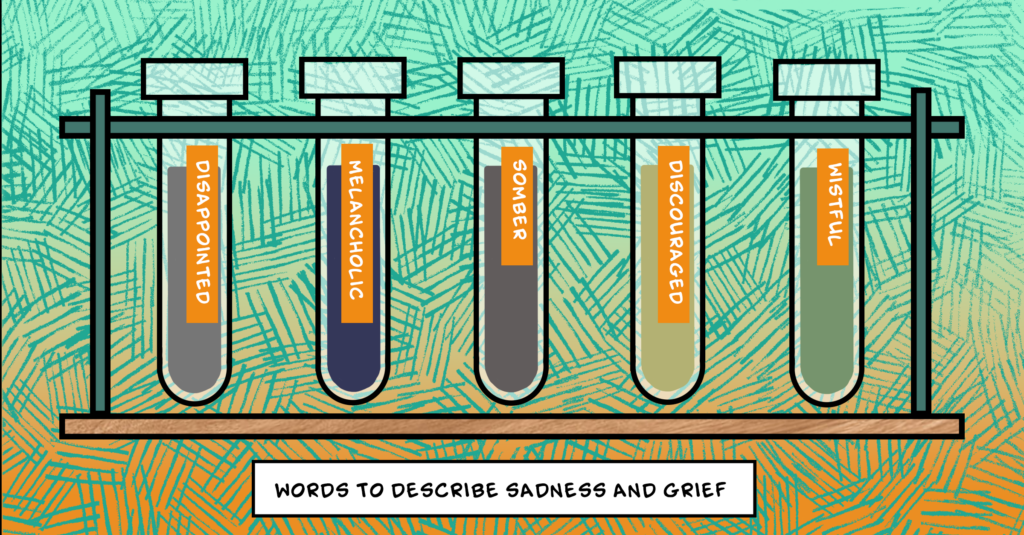
Advanced words for different emotions.
Sometimes, simple words like happy, sad, or angry aren’t enough. You may experience mixed emotions or feelings that are difficult to explain.
Learning advanced emotion words helps you express yourself more naturally, especially in conversations, writing, and storytelling.
Here are some useful words to expand your emotional vocabulary.
| Word | Meaning | Example |
| Nostalgic | Missing or remembering the past with happiness or sadness. | Listening to that old song made me feel nostalgic. |
| Ambivalent | Having mixed feelings about something. | I felt ambivalent about changing jobs because I was excited but also nervous. |
| Apathetic | Not feeling interested or motivated. | He seemed apathetic during the discussion. |
| Vulnerable | Feeling emotionally exposed or easily hurt. | Speaking in front of a large audience made me feel vulnerable. |
| Perplexed | Feeling confused because something is difficult to understand. | I was perplexed by the complicated instructions. |
| Envious | Wanting something that someone else has. | She felt envious of her friend’s new apartment. |
| Remorseful | Feeling sorry or guilty for something you have done. | He was remorseful after hurting his friend’s feelings. |
| Inferior | Feeling less capable or less important than others. | She sometimes felt inferior to her more experienced coworkers. |
| Validated | Feeling understood, accepted, or appreciated. | I felt validated when my teacher praised my hard work. |
| Empowered | Feeling confident, capable, and in control. | Learning a new skill made me feel empowered. |
Once you’re comfortable expressing your own emotions, expand your vocabulary even further with our complete guide to Positive Descriptive Words. It includes hundreds of useful adjectives for writing, speaking, interviews, and everyday conversations!
Simple ways to use these words in everyday English.
1. Replace basic words:
Instead of repeating the same expressions, try using more specific ones.
| Instead of… | Try saying… |
| I’m happy | I’m delighted |
| I’m sad | I’m disappointed |
| I’m angry | I’m frustrated |
| I’m scared | I’m anxious |
| I’m tired | I’m overwhelmed |
2. Describe your day by writing down your feelings:
Before going to bed, spend at least five minutes thinking about your day. What did you feel? Did you smile throughout the whole day? Or were you not able to finish something on time? Did you miss someone, or did your heart beat too fast at certain times in the day?
Using the physical sensations that affected you, try to match those sensations to the various intensity lists given above.
3. Read English books and watch movies:
Pay attention to how native speakers describe emotions.
When you read or hear a new word:
- Write it down.
- Look up its meaning.
- Create your own sentence.
- Try using it in a conversation later that week.
Conclusion
The words you choose matter. Instead of relying on simple words like good, bad, or fine, try using more specific words that truly match your emotions. Whether you feel content, frustrated, anxious, heartbroken, or empowered, choosing the right word helps you understand yourself and communicate more clearly with others.
Remember, building your emotional vocabulary doesn’t happen overnight. Start by learning a few new words each week and use them in your daily conversations, journal, emails, or even while reading books. The more you practice, the more natural these words will become.
Over time, you’ll not only improve your English vocabulary but also become more confident in expressing your thoughts and feelings.
Quick Quiz: Test Your Emotional Vocabulary
Which word best describes someone who feels both excited and uncertain about making a big life decision?
A) Ecstatic
B) Ambivalent
C) Furious
D) Serene
Writer: Mrunmayee Raut
Designer: Van Nguyen