50+ “I agree with you” synonyms to sound like a Native Speaker
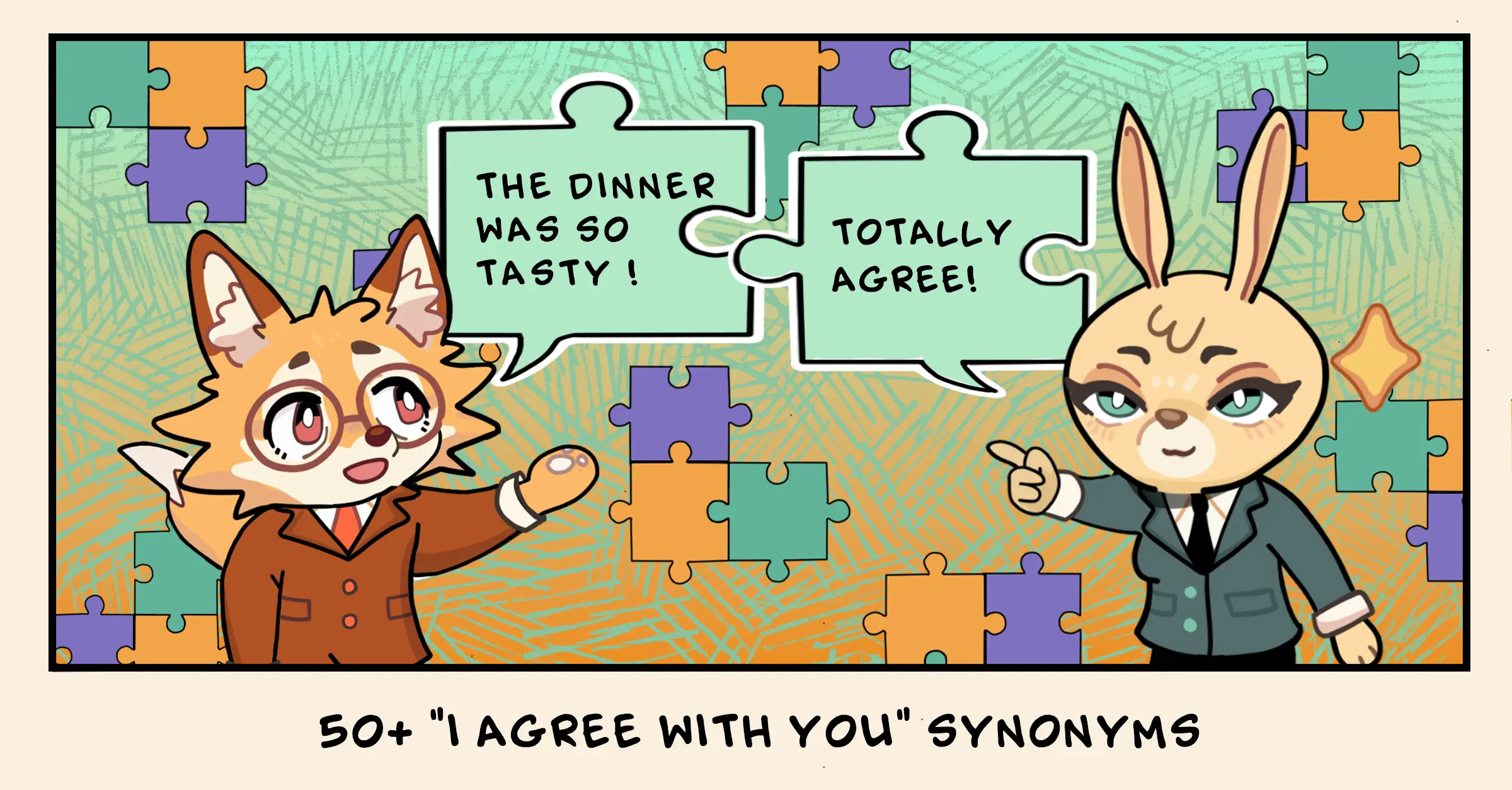
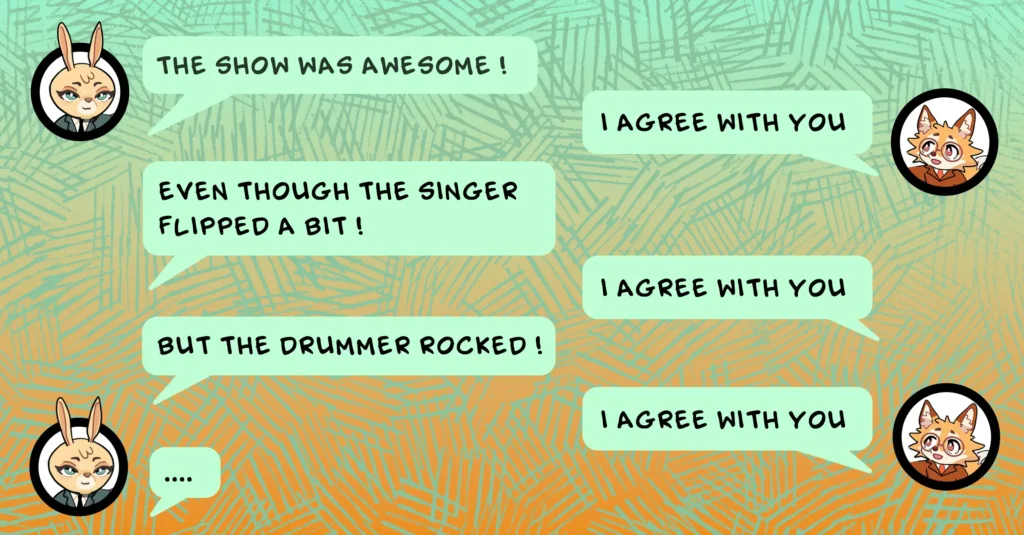
“I agree with you” is a commonly used phrase; however, using it too often can get old quick. This is why there are other ways you express this in varying intensities and different situations.
The trouble is, most learners get stuck on one setting: “I agree with you.” It’s correct, it’s polite, and it works everywhere. But if you use it repeatedly, you start to sound flat, even a little robotic.
Native speakers rarely stay on one setting. They swap into many different alternatives depending on who they’re talking to and how strongly they feel. This guide will help you get a grasp of these different settings with many synonyms.
Table of Contents
What “I Agree With You” Means
At its core, the phrase means you share someone’s opinion or see things in a similar way.
But in English, tone matters just as much as meaning. Speaking to your boss, your professor, and your best friend should not be identical. That’s why synonyms matter: they let you match your words to the situation. Now let’s turn the dial!
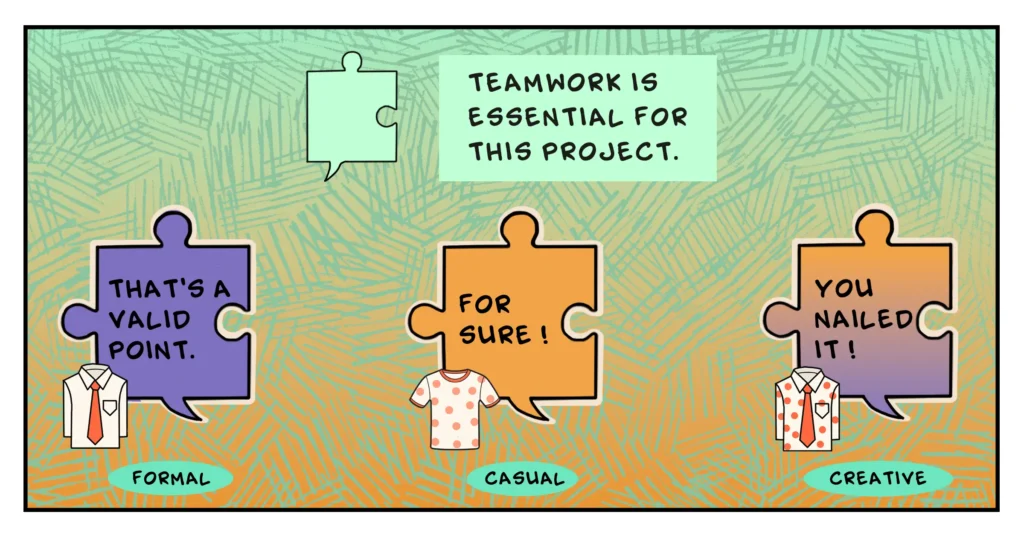
Casual Ways to Say “I Agree”
These relaxed phrases are for friends, family, and classmates. It’s short, warm, and natural.
- Totally!
- For sure.
- You bet.
- Absolutely.
- No doubt.
- Same here.
- Of course.
- Yep, exactly!
- Couldn’t agree more.
Try it:
- “Let’s cook dinner tonight.”
- “You bet. I’ll go buy groceries.”
Formal Ways to Say “I Agree”
In meetings, emails, or academic chats, you’ll want something more polished. These formal ways to agree show respect and teamwork.
- I concur.
- That’s a valid point.
- I share your view.
- That aligns with my thinking.
- I’m in full agreement.
- You make a fair point.
- I support that.
- That seems accurate.
- I see it the same way.
- Agreed.
Try it:
Manager: “We should focus on keeping customers, not just finding new ones.”
You: “Agreed. Retention drives steady growth.”
Polished, professional agreement like this is a daily habit at work. If meetings and emails are your goal, our Business English course drills these exact moves.
Emphatic Ways to Say “I Agree”
Sometimes you don’t just agree, you strongly agree. Turn the dial all the way up!
- I couldn’t agree more.
- Absolutely, one hundred percent.
- You’re spot on.
- Exactly my thoughts.
- That’s undeniable.
- Without question.
- You took the words right out of my mouth.
- Couldn’t have said it better.
- That’s the truth.
- Yes, a thousand times yes!
Try it:
- “Eating healthy can really change your life.”
- “Without question. It’s where becoming healthy starts.”
Creative Ways to Say “I Agree”
Want your English to sparkle? These add personality and plain old fun.
- You nailed it.
- Right on the money.
- That hits the mark.
- Bingo.
- You said it.
- Music to my ears.
- Preach!
- Now you’re talking.
- My thoughts exactly.
- I’m all for it.
Try it:
- “Studying a little every day beats cramming.”
- “Now you’re talking. That’s the secret.”
How to Only Halfway Agree
Real conversations aren’t all-or-nothing. Sometimes you might only agree with part of an idea, not all of it. These phrases let you politely agree while keeping room for your own view.
- I agree, up to a point.
- That’s true, but I’d add another thing.
- I see your point, though I’m not fully convinced.
- Fair enough, still I wonder about…
- I mostly agree.
Try it:
- “We should cut the whole marketing budget.”
- “I agree, up to a point. Let’s keep the ads that actually work.”
Quick Reference table: Simple Ways to Agree
| Casual | Formal | Emphatic | Creative |
| Totally | I concur | Couldn’t agree more | You nailed it |
| For sure | That’s a valid point | One hundred percent | Right on the money |
| You bet | I share your view | You’re spot on | That hits the mark |
| Absolutely | That aligns with my thinking | Exactly my thoughts | Bingo |
| Same here | I’m in full agreement | That’s undeniable | You said it |
| Sounds good | You make a fair point | Without question | Music to my ears |
Mistakes to Avoid When Agreeing
Even confident learners slip up. Watch for these:
- Repeating “I agree with you” until it loses meaning. Mix it up.
- Mismatching the setting. “You bet” in a boardroom or “I concur” with a friend both feel off.
- Going emphatic when you’re unsure. “Without a doubt” sounds fake if you have doubts.
- Forgetting your face and voice. A nod, a smile, and a warm tone carry half the message.
Want to learn how your voice reshapes these phrases? Check out our guide on intonation in English.
Conclusion
While “I agree with you” is a simple phrase that any English beginner can pick up on and easily understand, there are many other ways to show your agreement in different situations that do not feel dull.
You now have a full dial of agreement from casual “You bet” to an emphatic “Without question,” plus a way to agree just halfway. Pick three fresh phrases and try them in real conversations.
Quick Quiz
Choose the best synonym for each setting. Don’t peek!
- In a job interview:
- Texting a close friend:
- In a heated debate you feel strongly about:
- Agreeing with only part of a plan
Fun Fact
The word “concur” comes from the Latin concurrere, meaning “to run together.” So when you say “I concur,” you’re literally saying your thoughts are running alongside someone else’s, a neat picture of agreement in motion.
Confident, natural agreement is just one small piece of speaking English naturally. If you want everyday conversations to flow easily, our English for Life course builds that kind of real-world fluency, one phrase at a time.
Want to learn synonyms for other everyday English words and phrases? Check out our other guides on synonyms.
References
Writer: Randy Toku
Designer: Van Nguyen