What is an Interjection? 30+ Examples in English for Beginners

Do you want your English to sound more natural, expressive, and native? If so, a crucial way to get there is by practising and mastering interjection examples.
Interjections let you react to anything quickly and emotionally, making your conversations vibrant and your stories engaging. If you want to move beyond textbook English and sound truly fluent, learning how to use interjections is a necessity.
Learn more about what an interjection is, explore the many types of interjections in English, and see over 30 interjection examples you can start practising today.
Table of Contents
What Is an Interjection? Meaning and Examples
An interjection is a word or short phrase that shows a strong feeling or reaction. It often appears at the beginning of a sentence or stands alone. Interjections are usually followed by an exclamation mark (!) or sometimes a comma (,).
How Interjection Examples Show Emotion and Reaction
You can think of interjections as quick ways to express your feelings. For example, instead of saying:
- “I am surprised by this magnificent view.”
You can simply say:
- “Wow!”
Interjections don’t usually have a direct grammatical connection to the rest of the sentence. Instead, they interrupt the flow of speech to share a momentary feeling.
- Emotion: Ouch! (Pain)
- Reaction: Ugh. (Disgust)
- Acknowledgement: Ahem. (To get attention)
Difference Between Interjection Words and Other Parts of Speech
The key thing to remember about interjections is that they can stand on their own. Unlike nouns, verbs, or adjectives, an interjection does not need other words to make sense.
| Part of Speech | Role | Example |
| Noun | Proper names, place, or things. | The dog ran. |
| Verb | Shows action or a state of being. | The dog ran quickly. |
| Adjective | Describes a noun. | The quick dog ran. |
| Interjection | Expresses sudden emotion. | Yikes! The dog ran quickly. |
Why Interjections Matter in English (With Practical Interjection Examples)
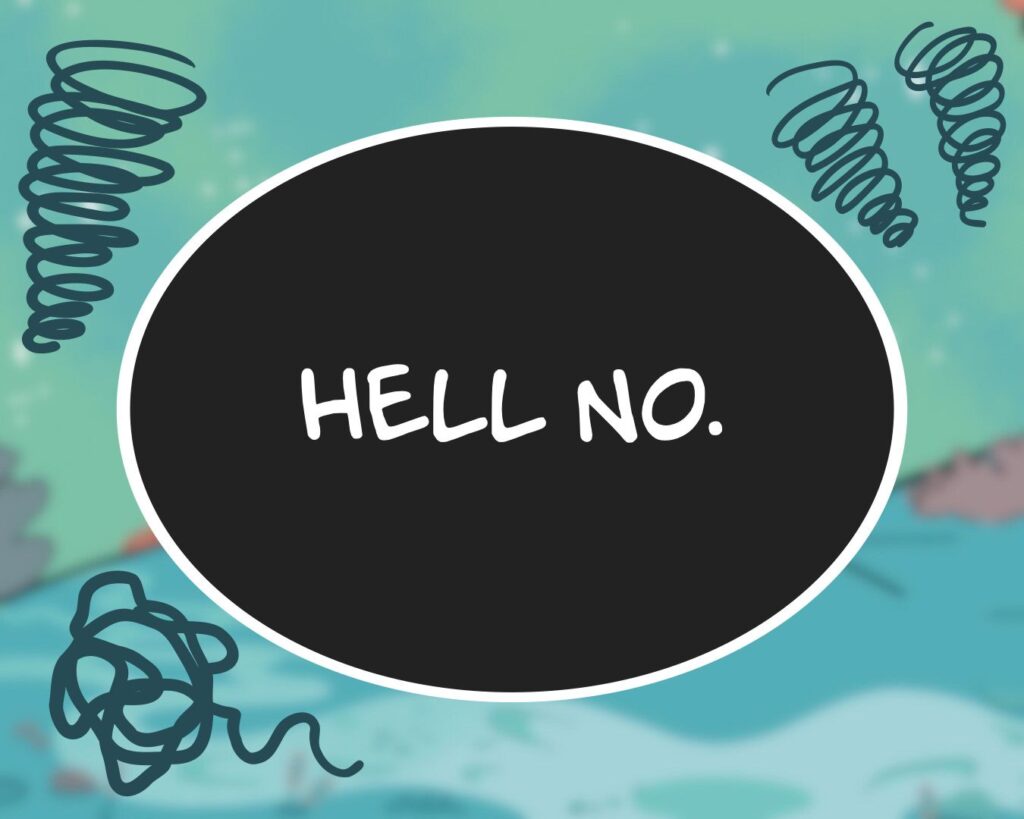
Interjections instantly humanize your communication, helping your emotions come across. What interjection in a sentence does:
- Interjection in a Sentence: Express Emotions Clearly
Interjections quickly show how someone feels in a moment.
Examples include:
- Wow! (surprise or amazement)
- Oops! (a small mistake)
- Yikes! (shock or concern)
Because they express emotion instantly, they make communication more natural and relatable.
- Interjection in a Sentence: Make You Sound More Like a Native
Native speakers use interjections all the time in everyday conversations.
You’ll often hear them in:
- Casual conversations
- Text messages and chats
- Videos and podcasts
Learning common interjection examples helps you understand how real English is spoken.
- Interjection in a Sentence: Add Energy and Personality
Interjections can make a simple sentence feel more lively and expressive.
Example:
- Without an interjection:
The dog ran quickly. - With an interjection:
Yikes! The dog ran quickly.
That small addition makes the sentence feel more emotional and dynamic.
- Interjection in a Sentence: Help You Understand Modern English
Interjections appear frequently in informal and fast-paced communication, especially online.
You’ll see them in:
- memes
- social media posts
- text messages
- internet slang
Understanding interjection meaning and recognizing common interjection examples can help you better understand modern English conversations.
Where Interjection Meaning Appears in Everyday English (With Common Interjection Examples)
You’ll find interjection examples everywhere in the English language, especially where speed and emotion matter.
- Everyday conversations: This is where you’ll use interjections in English most often; to react to news, express frustration, or show excitement.
- Storytelling and creative writing: Authors use interjections to quickly convey a character’s shock, fear, or joy in dialogue.
- Comics, social media, and informal writing: From “LOL” to “Whoa,” social media thrives on quick, emotive communication using both traditional and modern interjections.
- Speeches and presentations: A well-placed interjection can grab the audience’s attention or add dramatic flair to important points.
Types ofInterjection Examples
If you want to fully understand interjection meaning, it helps to see how different interjection words are used in real situations. Not all interjections express the same feeling.Emotion-Based Interjection Examples

These are the most common interjections and express immediate, strong feelings like pain, joy, or relief.
| Interjection | Emotion Expressed | Interjection in a Sentence Example |
| Wow! | Amazement, awe, wonder | Wow! That mountain view is breathtaking. |
| Ouch! | Pain or sudden discomfort | Ouch! I just stubbed my toe on the table. |
| Hooray! | Joy, triumph, celebration | Hooray! We won the championship game! |
| Yikes! | Fear, shock, alarm | Yikes! That spider is huge! |
| Phew! | Relief, exhaustion | Phew! I finished the project just in time. |
| Ugh! | Disgust, annoyance, frustration | Ugh. I have to redo the entire report. |
| Oops! | A minor mistake or error | Oops! I spilled my coffee on the keyboard. |
| Aww! | Warmth, cuteness, sympathy | Aww! Look at that kitten sleeping. |
Agreement or Disagreement Interjection Examples
These interjections serve two purposes: they express an emotional response and indicate a form of direct agreement or rejection.
| Interjection | Meaning | Interjection in a Sentence Example |
| Yes! | Strong affirmation or excitement | Yes! I finally finished the marathon. |
| No! | Strong rejection or disbelief | No! That can’t be true, I saw it myself. |
| Uh-huh | Casual agreement (spoken) | “Are you ready?” Uh-huh, let’s go. |
| Nope | Casual disagreement (informal) | “Did you bring the money?” Nope, I forgot my wallet. |
| Yay! | Enthusiastic agreement or joy | Yay! It’s finally the weekend! |
| Duh | Obvious agreement (often sarcastic) | “The sun is hot today.” Duh, it’s summer. |
| Well | Hesitation, introducing a thought | Well, I guess we should leave now. |
Attention-Getting Interjection Examples
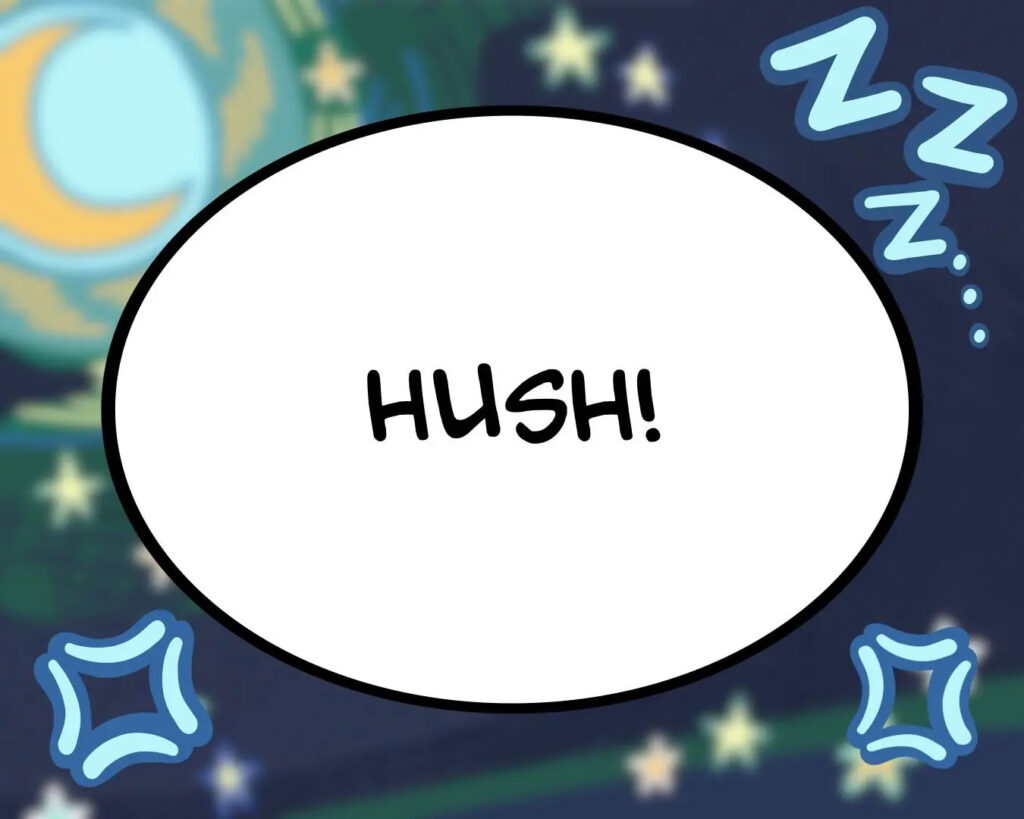
These interjections are used by English speakers to get someone’s attention, often to emphasize a point or issue a warning.
| Interjection | Purpose | Interjection in a Sentence Example |
| Hey! | To call someone or get their attention | Hey! Wait for me, please. |
| Look! | To direct attention to something visual | Look! The Northern Lights are visible tonight. |
| Listen! | To direct attention to sound or important info | Listen! I have some really big news for you. |
| Watch out! | To issue a warning of danger | Watch out! There’s a car coming right at us. |
| Hush! | To request silence or quiet | Hush! The baby is sleeping in the next room. |
| Psst | To discreetly call someone’s attention | Psst, come here, I need to tell you a secret. |
| Ahem | To clear the throat and get attention (often polite) | Ahem, I believe you have my jacket. |
Surprise or Shock Interjection Examples
These are powerful interjections that express sudden surprise, disbelief, or a sudden realization.
| Interjection | Feeling Expressed | Interjection in a Sentence Example |
| Oh! | Sudden realization or surprise | Oh! I didn’t see that coming at all. |
| Ah! | Realization, sudden understanding (Aha moment) | Ah! Now I understand how the machine works. |
| Whoa! | Surprise, astonishment, or caution | Whoa! That ride was much faster than I expected. |
| Gosh! | Mild surprise or frustration (softer than “Oh my God”) | Gosh, I completely forgot to set the alarm. |
| Really? | Sincere disbelief or questioning | Really? You got tickets to the concert? |
| My! | Polite expression of wonder | My! That is a beautiful wedding dress. |
| Goodness! | General surprise or shock | Goodness! You look exactly like your mother. |
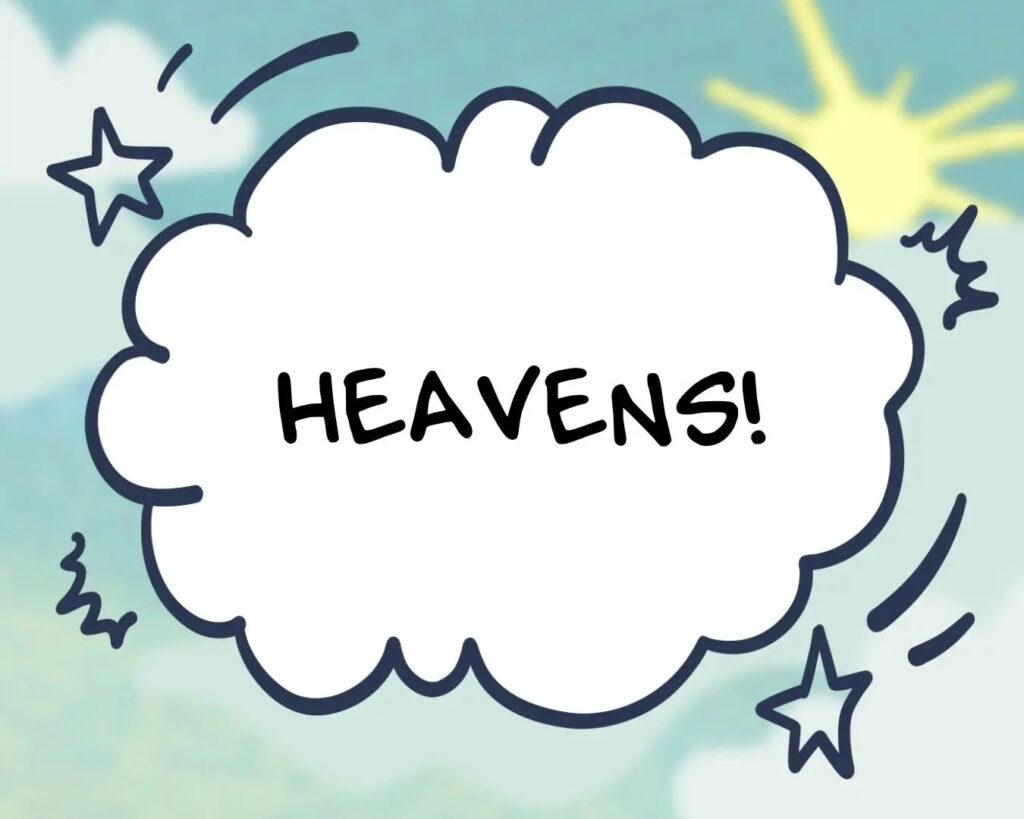
| Heavens! | Strong surprise (slightly old-fashioned) | Heavens! Did you see that lightning strike? |
Real-World Uses of Interjection Words in Everyday English
Knowing what the interjection definition is one thing; using them effectively is another. Here’s how you can put these interjection words to work.
- Enhancing Dialogue in Stories and Novels
If you write fiction, interjections are non-negotiable. They explain a character’s feelings in single words rather than long paragraphs.
- Instead of: “The soldier felt extreme pain when the arrow hit him.”
- Write: “The arrow struck his leg. ‘Agh!‘ he cried.”
- Making Social Media Posts More Engaging
Short-form content is most effective when it provides immediate emotional impact. A strong interjection right at the start can stop the scroll and capture your audience.
- Example post: OMG! You won’t believe the results of this experiment. Click the link!
- Grabbing Attention or Highlighting Key Points in a Speech
Public speakers often use interjection words to manage the flow of presentations or to highlight contrasts. An interjection in a sentence guides the audience to certain conclusions without using obvious statements.
- Using Wait or Listen: “You think that’s the final answer? Wait! There’s one more piece of data you need to consider.”
- Everyday Speech for Natural Expression
Interjections are commonly used in casual conversations to show quick reactions and emotions.
- Use simple interjection words when speaking with friends.
- Common interjection examples include “Cool,” “Wow,” and “Ugh.”
Practising these small expressions regularly helps you understand interjection meaning and communicate more naturally in everyday English.
Interjection in a Sentence: When to Use Them in Different Situations
How often you use interjection words in your speech usually depends on the formality of the situation. Interjections fit best in emotional language and are more appropriate for casual settings.
- Informal conversations with friends or family: This is where interjections feel more natural. You’ll use them freely to show enthusiasm, disagreement, or curiosity.
- Emotional storytelling or dramatic reading: Any scenario where you’re trying to express strong emotions benefits from the abruptness and impact of an interjection.
- Online messaging, memes, and casual writing: From text messaging acronyms (LOL, BTW, OMG) to simple typed reactions (Ha!, Hmm, Yawn), online communication relies heavily on these short, emotive signals to communicate tone.
- Occasional use in professional contexts for emphasis: You should generally avoid strong interjections in formal documents. You could use mild interjections like ‘Well’ or ‘Indeed’ during a meeting or a presentation.
Interjection Meaning in Practice: How to Use Interjections Naturally
Your goal isn’t just to memorize the list but to practice until you master most of them. Here are some easy ways to help you get there.
- Writing Short Dialogues Using Different Interjections
Take two characters and write a brief conversation where they react to surprising news. Make sure to include at least three different interjection examples.
- Example:
- A: “Did you hear? They moved the office to the beach!”
- B: “Whoa! That’s incredible news.”
- A: “Really? You think so?”
- B: “Duh! Of course I do.”
- Reading Books, Comics, or Articles and Spotting Interjections
As you read, be on the lookout for interjections and how they are used. Notice how the author uses punctuation and what emotion each interjection conveys. Comics help you understand interjection words more easily through visualisation.
- Practicing with Speech Exercises and Role-Playing
Find a language partner and, using simple role-playing scenarios, focus on reacting naturally with different interjection examples to unexpected news or events.
- Incorporating Interjections in Everyday Conversation
Start small. Commit to using at least one new interjection every day this week. The more you force yourself to use them, the more naturally they’ll become integrated into your speech.
Final Thoughts on: What is an Interjection?
Interjection words are small words with massive emotional power. Using an interjection in a sentence allows you to add clarity, personality, and genuine feeling to your English.
Before you go, try this quick mini-quiz:
Which sentence correctly uses an interjection?
- A. The wow dog ran quickly.
- B. Wow! The dog ran quickly.
- C. The dog wow ran quickly.
Comment your answer below.
Ready to practice more?
Join our WhatsApp groups and start improving your English fluency through real conversations and daily practice.