30 Imaginative Anthropomorphism Examples to Capture Readers
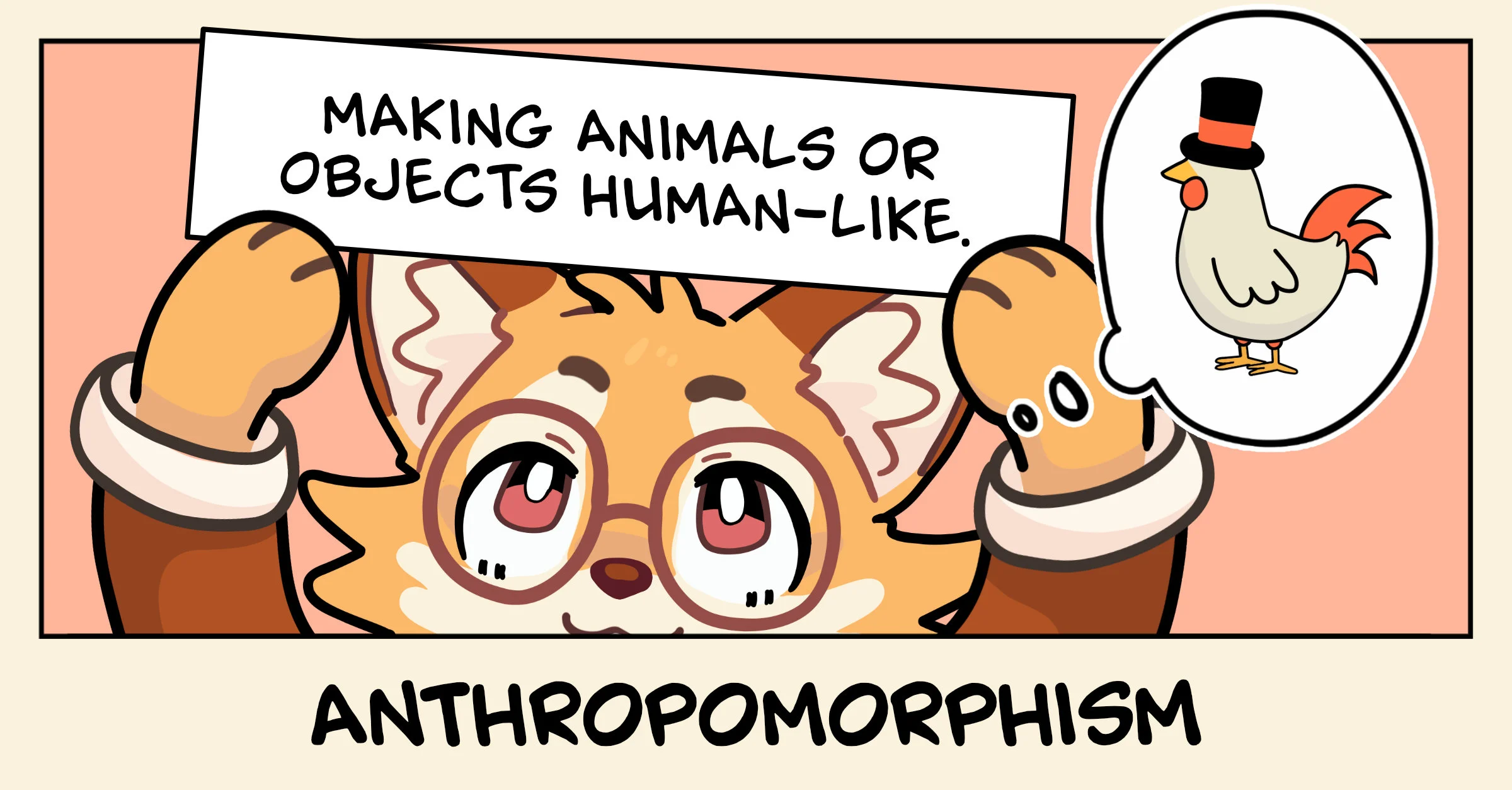
Have you ever watched a movie where a mouse wears a suit and gives life advice, or a cartoon where a dog plays the guitar? There is a specific term for this: anthropomorphism.
Anthropomorphism is the act of giving human traits, emotions, or behaviors to non-human entities such as animals, objects, or natural elements.
Even though it may sound similar to personification, there is an important difference:
Personification is figurative (metaphorical)
Anthropomorphism is literal (real actions like talking, walking, thinking)
This makes anthropomorphism especially powerful in storytelling, media, and branding.
Table of Contents
Where Are Anthropomorphism Examples Commonly Used?
1. Literature and Folk Tales
In children’s stories, anthropomorphized animals make messages more engaging and magical. Authors also use animal “stereotypes” to pre-establish character traits:
Foxes are often portrayed as sly or clever.
Lions are depicted as proud and kingly.
In Adult Literature: In the works like George Orwell’s Animal Farm, animals rebel against humans, but pigs become corrupt leaders—reflecting real-world political systems. Orwell creates a powerful metaphor for corruption.
2. Film and TelevisionExamples in Film and TV
From Disney classics to modern animation, film relies heavily on this technique. It is especially common in the fantasy genre, where elements like the ocean or the wind are given distinct personalities to help or hinder the hero.
Examples:
- Talking animals
- Emotional objects
- Nature acting like a character (wind, ocean)
3. Religion and Mythology
Ancient cultures often used anthropomorphism to understand the world.
Greek Mythology: Gods like Zeus or Aphrodite embody physical forces (lightning) and abstract concepts (love) while acting with human-like temperaments.
Animism: Many cultures anthropomorphize nature spirits, such as tree or river spirits, to represent the environment.
Examples: Greek Mythology → Gods represent:
- Nature (sun, sea, lightning)
- Abstract ideas (love, war, death)
4. Marketing and Branding
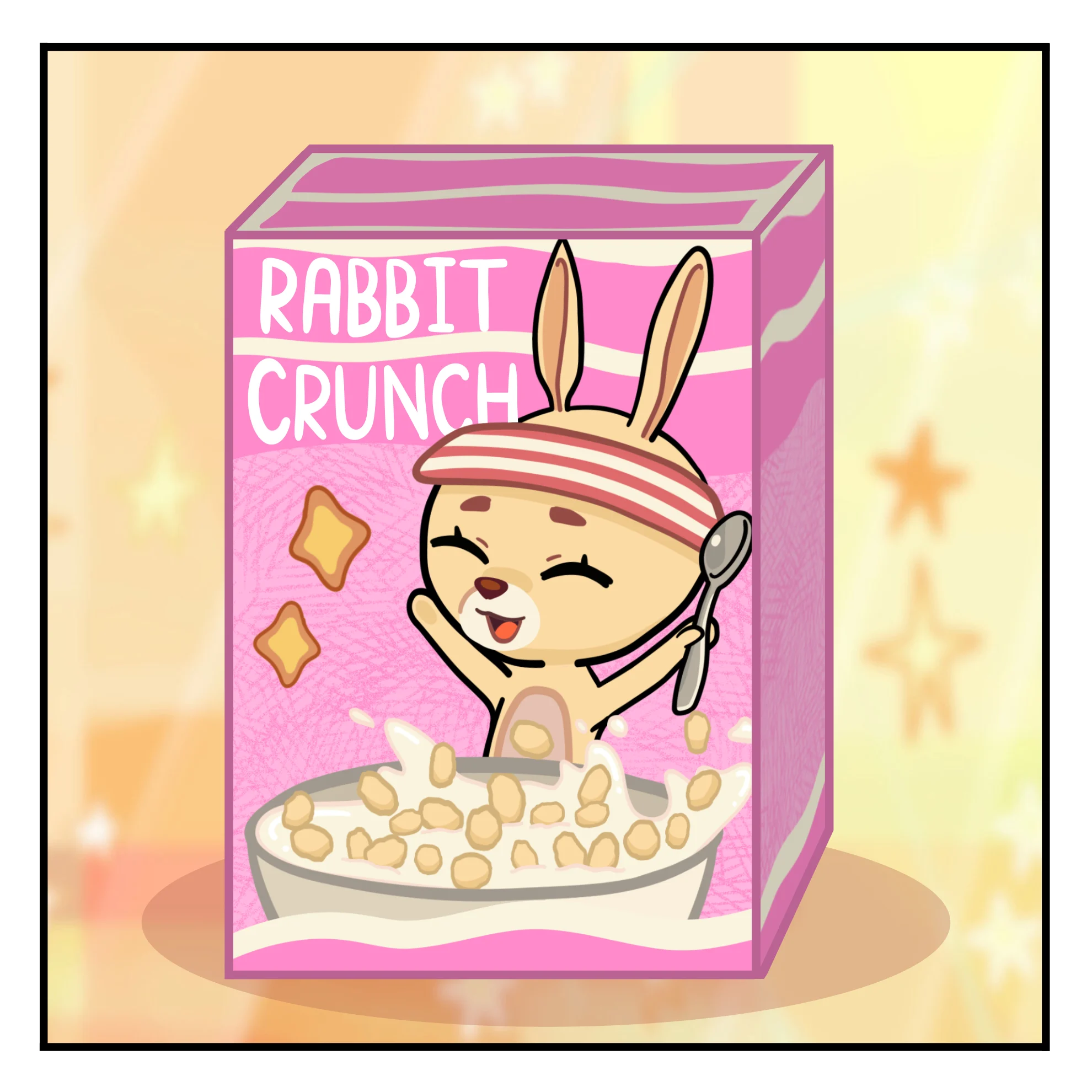
Brands use mascots to create an emotional connection with consumers. Food brands, in particular, use friendly animal characters to grab children’s attention and build positive associations with their products.
Did You Know?
The Mickey Mouse we know today is one of the most successful anthropomorphic designs in history. Early versions of Mickey were more “mouse-like,” but over time, designers gave him larger eyes, white gloves (to make his hand movements more human), and a more upright posture to make him more relatable to global audiences
5. Anthropomorphism Examples in Everyday Life
Anthropomorphism in everyday life is less direct than it is in fictional media. Most situations that might seem like anthropomorphism are actually just personification.
For example, you might hear a pet owner talk to their pet as if the animal could understand. . This is a form of anthropomorphism, as the pet owner is projecting a human trait onto an animal.
30+ Anthropomorphism Examples
Animal Anthropomorphism Examples
| Mice who wear clothes and talk (e.g., cartoons |
| Dogs acting like human companions in stories |
| Birds literally singing songs in a children’s movie |
| A lizard character crying |
| A lion standing on two legs instead of four |
| Pigs establishing a social hierarchy |
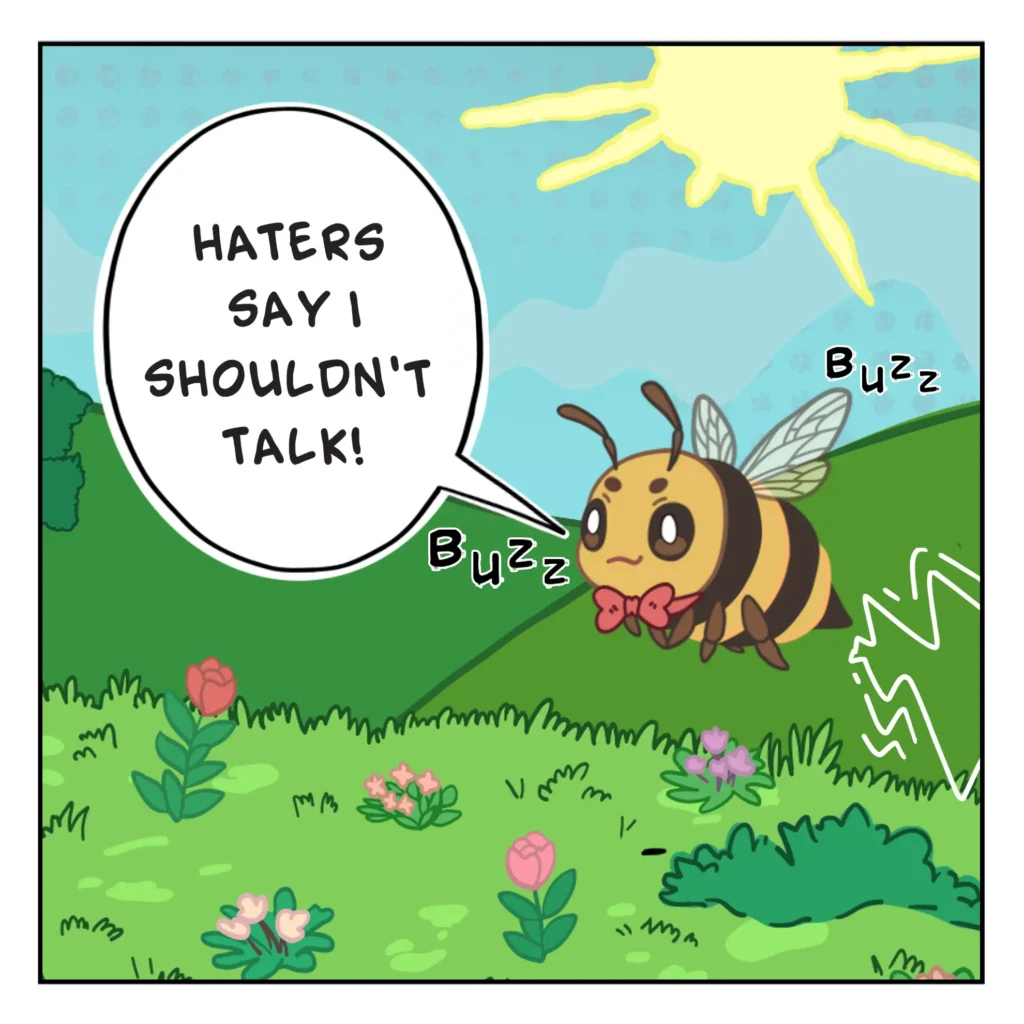
| Bees talking in English or another human language |
| Wolves attacking people with spears and sword |
| Cats eating with a knife and fork |
| Hippopotamuses swimming in freestyle |
Object Anthropomorphism Examples
| Cars or gadgets given names and personalities |
| Toys with human emotions in storytelling |
| Toasters moving around as if they had legs |
| Closets vomiting out clothes |
| Carrots dancing to music |
| Guns running around |
| Books talking and moving around a room |
| Computers or AI talking to a person using a word |
| Houses showing teeth and trying to eat people |
Mythological Anthropomorphism Examples
| Gods eating, fighting, or marrying like humans |
| Winds behaving with intent |
| Volcano spirits getting angry and violent |
| Death being represented as a skeleton man with a scythe |
| Cosmic objects such as the sun that are given a personality and intent behind existence |
| Abstract concepts such as love being given a representative form, either as a god or spirit |
| Gods directly interacting with people |
| Spirits moving around and interacting with people |
| Good and evil being directly represented by cosmic beings |
| Harmful effects such as pollution being given an evil personality that harms nature spirits |
Situations Where You Would Use Anthropomorphism Examples
Anthropomorphism can serve as a powerful tool to tell stories and engage audiences. However, it is not a very widely applicable form of language. Here’s a guide to help you learn appropriate and inappropriate uses of anthropomorphism.
| Use It For… | Avoid It In… |
| Children’s Literature | Scientific Research Papers |
| Marketing & Branding | Legal Documentation |
| Creative Fiction | Professional Medical Reports |
| Emotional Storytelling | Objective News Reporting |
Conclusion
Anthropomorphism is a powerful storytelling technique that brings non-human elements to life. It helps create emotional connections, especially in children’s content, and strengthens creativity in writing.
If you want to improve your English and storytelling skills, practicing anthropomorphism is a great start.
Quiz Time
What is the primary difference between anthropomorphism and personification?
A) There is no difference; they are exact synonyms.
B) Personification is literal, while anthropomorphism is figurative.
C) Anthropomorphism is literal (a character acts human), while personification is figurative language.
D) Anthropomorphism is only used for animals, while personification is for objects.
If you want to practice using anthropomorphism in a group, try learning as part of a WhatsApp group.