50 Creative Figurative Language Examples (With Meanings & Tips)
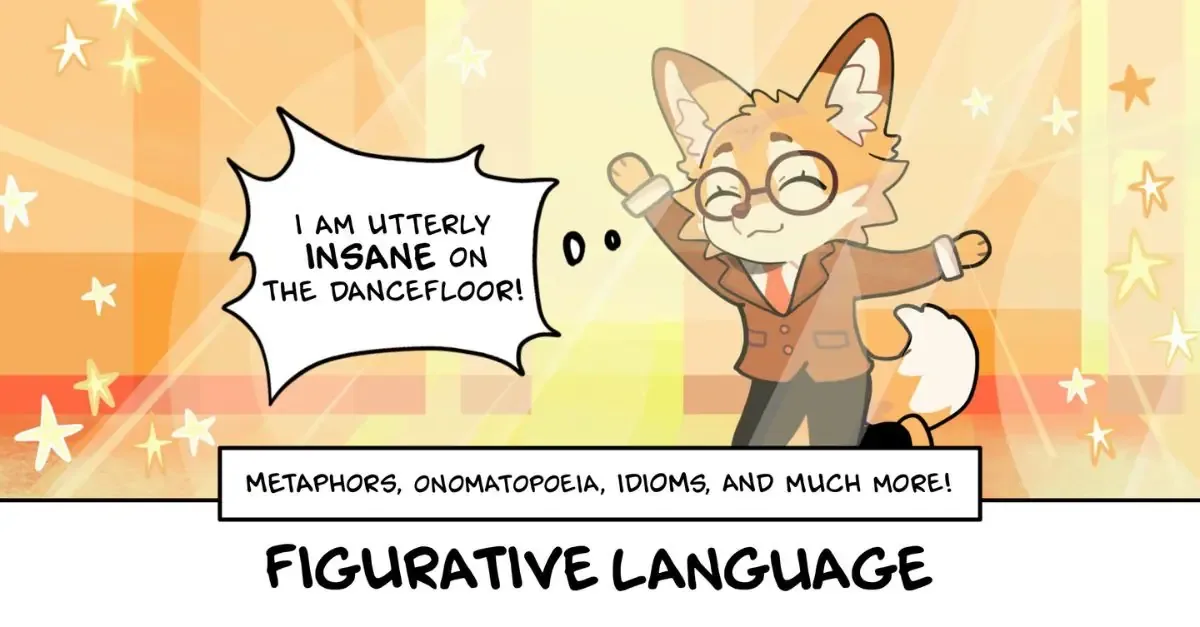
Figurative language is everywhere in everyday communication. You may have heard phrases like “He was fuming” or “The wind whispered through the trees.” If taken literally, these statements might seem strange. However, they are examples of figurative language.
Figurative language is a style of expression where words have non-literal meanings. Writers and speakers use it to make descriptions more vivid, emotional and engaging.
Table of Contents
What Is Figurative Language?
Figurative language is a literary device that uses comparisons, exaggeration, symbolism and sound effects to express ideas creatively rather than literally.
It is commonly used in:
- Literature and poetry
- Storytelling
- Marketing and advertising
- Everyday conversations
- Public speaking
Instead of saying something plainly, figurative language creates imagery and emotion, helping readers and listeners better understand the message.
Benefits of Understanding Figurative Language
Learning figurative language improves both writing and communication skills.
Here are some key benefits:
1.Makes Writing More Vivid
Figurative expressions help readers visualize scenes and emotions.
2. Improves Storytelling
Creative language adds depth and personality to your stories.
3. Enhances Communication
Using metaphors or idioms makes conversations more expressive and engaging.
4. Helps in Marketing & Advertising
Brands often use figurative language to create memorable slogans and messages.
Types of Figurative Language (With Examples)
Below are the most common types of figurative language used in English.
1. Simile
A simile compares two different things using the words “like” or “as.”
Similes help create clearer and more vivid descriptions.
Example sentence:
They were fighting like cats and dogs.
| Simile | Meaning |
| “As light as a feather” | Very light |
| “Soft like a pillow” | Very soft |
| “He sings like an angel” | He sings beautifully |
| “She is like a prophet with predictions” | She predicts accurately |
| “As odd as a unicorn” | Very strange |
| “As fast as lighting” | Extremely fast |
2. Metaphor
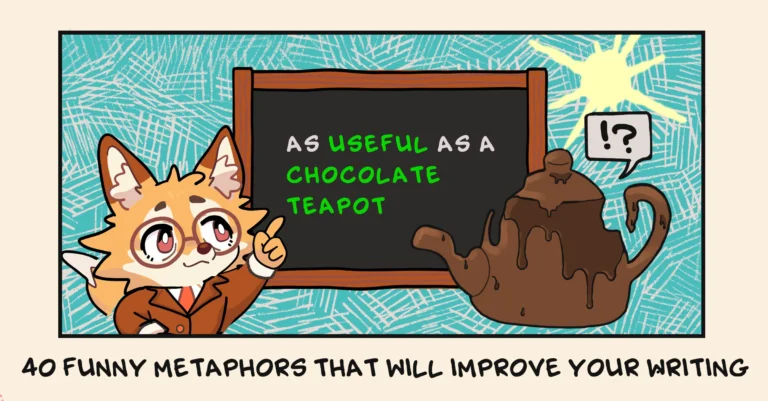
A metaphor also compares two things, but without using “like” or “as.” It directly states that something is something else.
Example sentence:
Her mind is a steel trap.
| Metaphor | Meaning |
| “Time is a thief” | Time takes opportunities away |
| “He is a lion on the battlefield” | He is fierce and brave |
| “He is a wizard with computers” | He is very skilled with computers |
| “Time is money” | Time is valuable |
| “Love is a battlefield” | Love involves conflict |
| “He is a clown” | He is silly or funny |
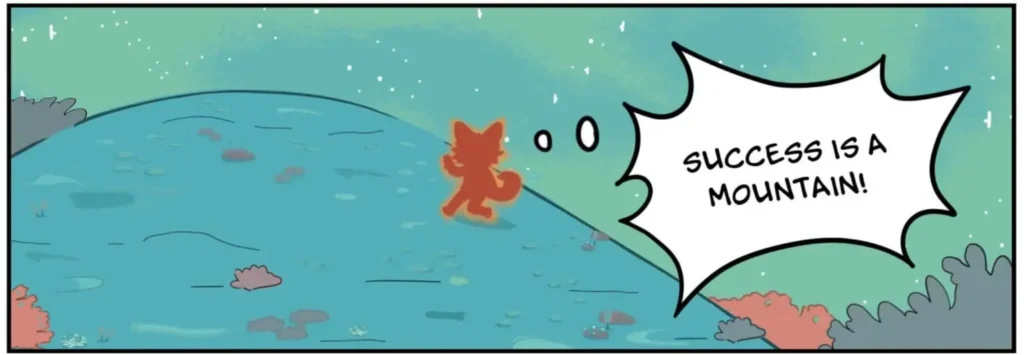
Discover how metaphors about life can reveal deeper meanings and emotions. Learn more about how metaphors work and how they can make your writing more powerful and expressive.
3. Personification
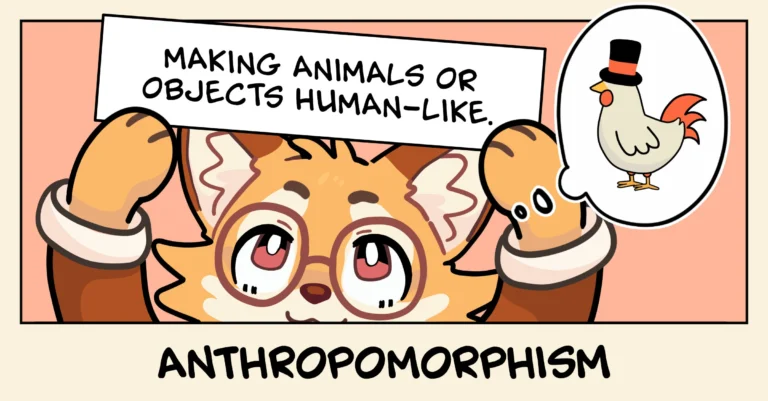
Personification gives human qualities to non-human objects, animals or ideas.
It helps writers create atmosphere and emotional connection.
Example sentence:
The sun smiled down on the village.
| Personification | Meaning |
| “The wind whispered through the trees” | The wind moved softly |
| “The dog begged for food” | The dog tried to get food |
| “The chair gave out” | The chair broke |
| “Hope carried us forward” | Hope motivated us |
| “The wind pushed us violently” | The strong wind moved us |
| “The phone died” | The phone ran out of battery |
4. Hyperbole
A hyperbole is an intentional exaggeration used to emphasize a feeling or situation.
Example sentence:
I’m so hungry I could eat a horse.
| Hyperbole | Meaning |
| “I’ve told you a million times” | I told you many times |
| “You’re driving me insane” | You are very annoying |
| “I’m going to explode” | I’m extremely angry |
| “He makes Einstein look dumb” | He is extremely smart |
| “She is insane on the dance floor” | She is a good dancer |
| “This will take me years” | It will take a long time |
5. Onomatopoeia
Onomatopoeia refers to words that imitate real-life sounds.
These are commonly used in comics, storytelling and poetry.
Example sentence:
The fireworks went boom in the night sky.
| Onomatopoeia | Sound |
| Boom | Explosion |
| Pow | Impact or hit |
| Zap | Electric sound |
| Zoom | Speed |
| Crash | Objects colliding |
| Bang | Gunshot or loud sound |
6. Alliteration
Alliteration occurs when multiple words in a sentence start with the same letter or sound.
It is often used in poetry, slogans and branding.
Example sentence:
Peter Piper picked a peck of pickled peppers.
Examples of Alliteration
- Singing a song of sorrow
- Reduce, reuse, recycle
- He hates hotdogs
- Don’t do donuts
- Live, laugh, love
- Present, post, and prepare