30+ Useful Apology Words in English to Improve Your Communication Skills
Introduction
“I’m sorry”, “my bad”, “please accept my apologies” – we all get things wrong. Apologies are an important aspect of human communication. They help repair and strengthen relationships, restore trust and promote understanding.
In the English language, there are many different apology phrases and words used in all types of casual, formal and professional settings. This can be confusing for English language learners, especially when trying to judge which word or phrase best suits a specific situation.
In this article, we will explore different ways to apologize in English and provide practical apology examples for various contexts. Whether you are saying sorry to a friend, apologizing to your boss or trying to write a formal apology e-mail, this practical guide will make sure you acquire the correct tone and diction to sound like a native English speaker.
Table of Contents
What are Apology Words?
Apology phrases and words express remorse, regret, ask for forgiveness, or show a desire to make amends. In the following sections we will explore some of the ways to apologize in English, while considering the contexts in which each of them applies. You will also be provided with example sentences to make sure that you learn the correct way to say sorry.
How Learning Apology Words Improves Your English
When something goes wrong, you can say “I’m sorry.” However, using the same apology over and over again, can seriously undermine its impact. Additionally, many situations require open dialogue when apologizing to help both parties understand the complexities of the problem. This is why it’s important to have a range of vocabulary when it comes to apologizing.
Introducing alternative ways to say sorry into your lexicon will also assist with your language development, enabling conversational fluency, providing insight into cultural nuances, and improving comprehension in your written and spoken English communication. Explore cultural aspects of apologizing in English further with this BBC Learning worksheet.
30+ Apology Words in English (With Examples)
Common Apology Words
| Apology word | Example sentence |
| Sorry | Sorry, I forgot I called you yesterday. |
| Apologize | I apologize for being late to the meeting. |
| Regret | I regret not attending your party last week! |
| Excuse me | Excuse me, could you repeat that? |
| Pardon | Pardon me, I didn’t see you there! |
Formal Apology Words
| Apology word | Example sentence |
| I apologize for | I apologize for the misunderstanding in our previous email |
| My sincere apologies | My sincere apologies for any inconvenience caused. |
| I beg your pardon | I beg your pardon, but could you clarify your last statement? |
| I am remorseful | I am remorseful for my actions during the meeting. |
| Please forgive me | Please forgive me for missing the deadline. |
Casual and Informal Apology Words
| Apology word | Example sentence |
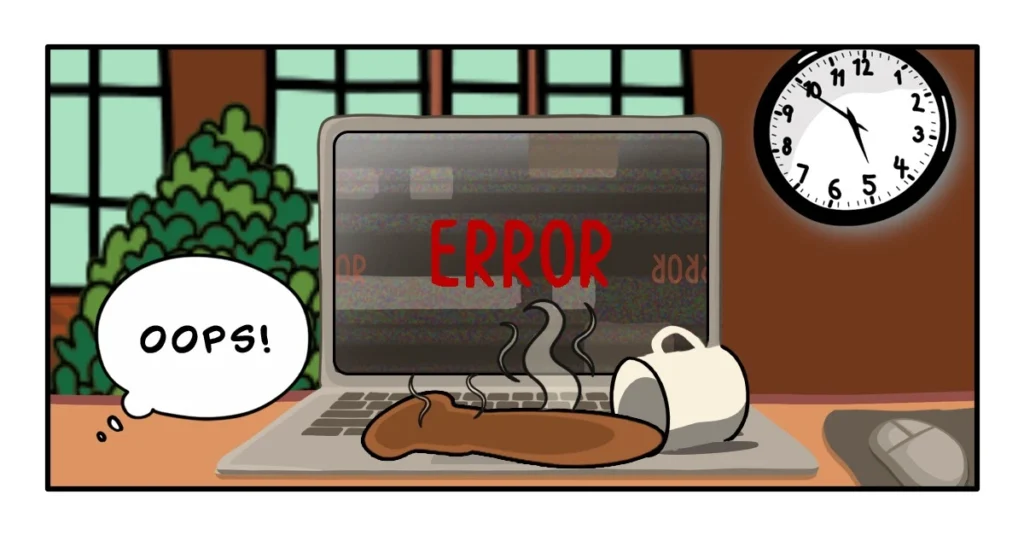
| Oops | Oops, I spilled coffee on your notebook! |
| My bad | My bad, I didn’t check the schedule properly. |
| I didn’t mean it | I didn’t mean it when I teased you earlier. |
| Sorry about that | Sorry about that, I’ll fix it right away. |
| Won’t happen again | It won’t happen again, I’ll be more careful next time. |
Apology Words for Specific Situations
| Apology word | Example sentence |
| Take full responsibility | I take full responsibility for the error in that report. |
| Regret the inconvenience | I regret the inconvenience caused by the delayed shipment. |
| I am truly sorry | I am truly sorry for the confusion. |
| Please accept my apology | Please accept my apology for our earlier misunderstanding. |
| Apologies for the delay | Apologies for the delay in responding to your email. |
Where to Use Apology Words in Real Life
As we mentioned earlier, deciding which apology phrases or words to use will depend on the situation at hand. Below, we will provide you with some real-life examples and situation-specific tips for apologizing.
Personal conversations:
Apologizing is a common practice used in everyday interactions with friends, family, and even acquaintances. It helps maintain healthy relationships by acknowledging mistakes, showing empathy, or smoothing over misunderstandings. Even small gestures, like saying “sorry” or “my bad,” can prevent conflicts from escalating.
Examples:
- “Oops, I forgot to bring your book back. I’ll bring it tomorrow.”
- “Sorry about that, I didn’t mean to upset you.”
- “I didn’t mean it when I joked earlier—please forgive me.”
Tips:
- Keep it genuine; a simple “sorry” works better than overexplaining.
- Match your tone to the situation: casual words like “oops” are fine with close friends, while “please forgive me” may be better for sensitive situations.
Professional Settings:
In workplaces or professional environments, apologizing is used to maintain respect, accountability, and trust. It is common practice to apologise in emails, meetings, presentations, formal letters, or customer service interactions. Using a suitable word or phrase can demonstrate professionalism and a willingness to take responsibility without undermining your credibility.
Examples:
- “I apologize for the delay in submitting the report. I will ensure it does not happen again.”
- “My sincere apologies for the confusion in yesterday’s meeting.”
- “I take full responsibility for the oversight and will correct it immediately.”
Tips:
- Use formal apology words such as “I apologize for,” “my sincere apologies,” or “please accept my apology.”
- Avoid overly casual expressions like “my bad” in professional communication.
- Pair your apology with an action plan when possible (“I will fix this by…”) to show accountability.
Written Communication
Apology words are also essential in written communication, including social media posts, text messages, and formal documentation. Written apologies are particularly important because tone can be easily misinterpreted.
Examples:
- Social media: “We apologize for the delay in responding to messages and appreciate your patience.”
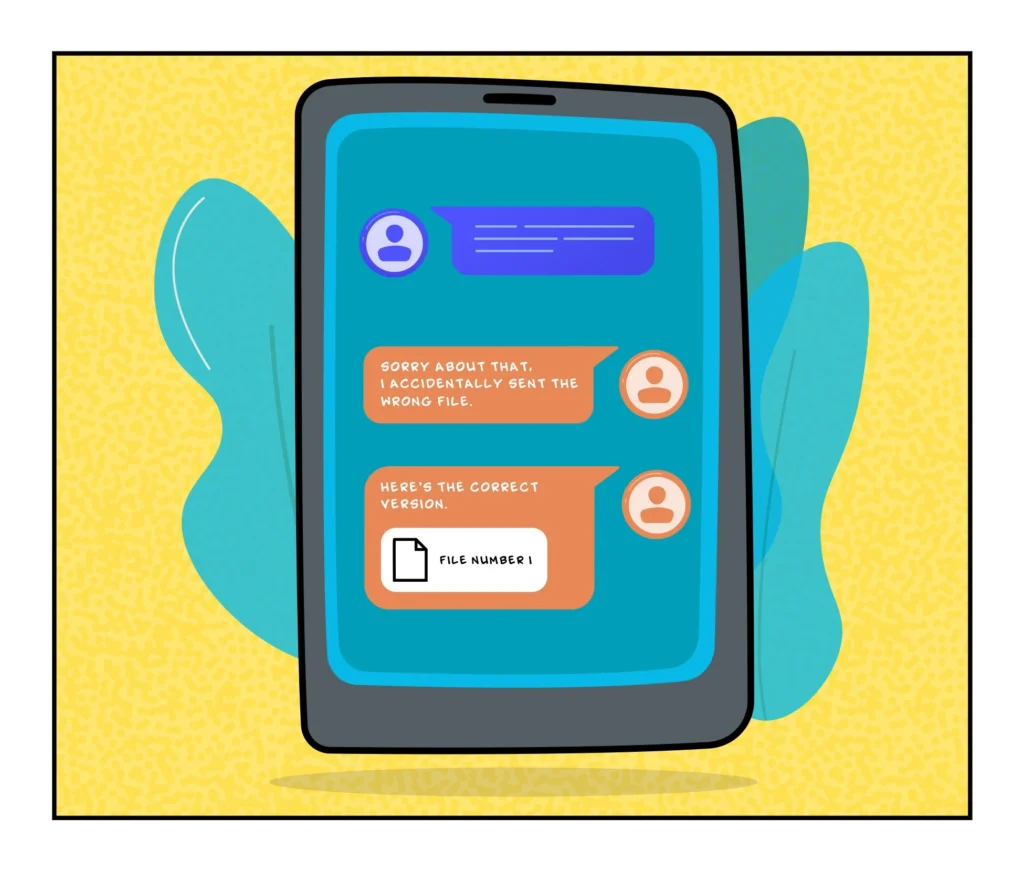
- Messages: “Sorry about that, I accidentally sent the wrong file. Here’s the correct version.”
- Formal documentation: “Please accept my apologies for any inconvenience caused by the previous instructions.”
Tips:
- Match the words to the medium: casual words like “oops” or “sorry” work in text messages, while formal words suit emails or official documents.
- Keep your message clear and concise, especially in professional or written contexts.
- Acknowledge the impact of the mistake and, when appropriate, offer a solution.
How to Choose the Right Apology Words
It is crucial to choose the right word or phrase when saying you’re sorry. This will ensure your message is received as sincere and appropriate. Using the wrong tone or level of formality when apologizing in English can make an apology feel insincere or even worsen the situation.
The first step is to assess the situation. Is it a casual interaction with friends, or a professional setting like an office or customer service scenario? Context determines whether an informal or formal word or phrase is suitable.
Secondly, remember that not all mistakes are equal. A minor oversight may only require a brief “sorry”, while a serious error may need a more thoughtful apology. Adjust the words and tone to reflect the gravity of the situation.
Last but not least, sincerity is key. Overused or automatic replies like “sorry” repeated without context can feel hollow. Choose words that genuinely reflect your remorse and, if relevant, explain how you will make amends.
Conclusion
Using varied apology words effectively is essential for clear, sincere, and appropriate communication. Whether in personal conversations, professional settings, or written communication, choosing the right words helps convey remorse, maintain relationships, and demonstrate accountability.
Through learning different apology phrases and understanding the ways to apologize, you will be able to express yourself more confidently and avoid uncomfortable misunderstandings. Remember, pay attention to context, tone, and intensity. This will ensure your apologies are received as genuine and thoughtful.
To improve your skills in apologizing in English, try practising now. In the comment section below, write five apology sentences using different words from the lists provided. This will help you become comfortable using formal, casual, and situation-specific apology words in real-life situations. We can’t wait to see what you come up with!
And remember, if you need to practice your spoken communication and achieve fluency and cultural awareness, we are here to help you out!