Hotel Vocabulary: Essential English Phrases for Travelers
Ever had this happen?
You just landed in Madrid. You drag your suitcase through the lobby, walk up to the reception desk, and… freeze. Do you ask for a double room or a twin? Is it desayuno incluido or comida incluida?
One misused word, and you’re either sleeping on two separate beds or missing your breakfast buffet.
That’s why hotel vocabulary isn’t just a nice skill to have, it’s the difference between a smooth and convenient stay and a vacation nightmare.
By the end, you’ll not only know the words, you’ll own the conversation at any hotel reception desk worldwide.
Table of Contents
Why You Need Hotel Vocabulary
Travel is full of little moments where language matters. Imagine these scenarios:
- You’re booking online and don’t know what “half-board” means.
- You’re checking in and the receptionist asks about a deposit.
- You’re in Mexico and want a room con vistas al mar but can’t remember the phrase.
With the right vocabulary, those situations stop being stressful. Instead, you sound clear, calm, and confident.
Bonus: learning travel-related words also boosts your overall English (or Spanish). It feels real and practical not just another textbook exercise.
If you’re exploring broader English vocabulary for travelers, check out this guide to English synonyms to spot patterns across words and phrases.
Here’s a handy list of must-know hotel words and phrases. If you’d like to deepen your understanding especially pronunciation check out FluentU’s 100+ Hotel Vocabulary Words in English (with audio).
1. Hotel Vocabulary for Booking Over the Phone
Booking a hotel over the phone can feel intimidating if you don’t know the right phrases. Using clear, confident language ensures your reservation goes smoothly.
Useful Phrases:
- “Hello, I’d like to make a reservation.”
- “Do you have any rooms available from [date] to [date]?”
- “Could you tell me the price per night?”
- “Does the room include breakfast?”
- “Are there any facilities like a gym or pool?”
Vocabulary for Asking About:
- Availability – “Is there a room available?”
- Price / Rates – “How much is the room per night?”
- Facilities – “Do you have Wi-Fi, parking, or a restaurant?”
Example Short Dialogue:
Guest: Hello, I’d like to book a room from August 25th to August 28th. Receptionist: Certainly! We have a double room available. Would you like it with a city view?
Guest: Yes, please. How much will that be per night?
Receptionist: It’s $120 per night, including breakfast.
Pro Tip: Role-play this dialogue with a friend to boost fluency before your trip. 2. Hotel Vocabulary for First Interactions
Your first interaction at the hotel sets the tone for your stay. Knowing check-in vocabulary helps you sound confident.
Check-in Vocabulary:
- Reception / Front Desk – where you register.
- Booking reference / Reservation number – the code for your booking.
- ID / Passport – required for verification.
- Payment methods – cash, card, or pre-paid options.
Greetings and Polite Expressions:
- “Good morning / afternoon / evening.”
- “I have a reservation under [Name].”
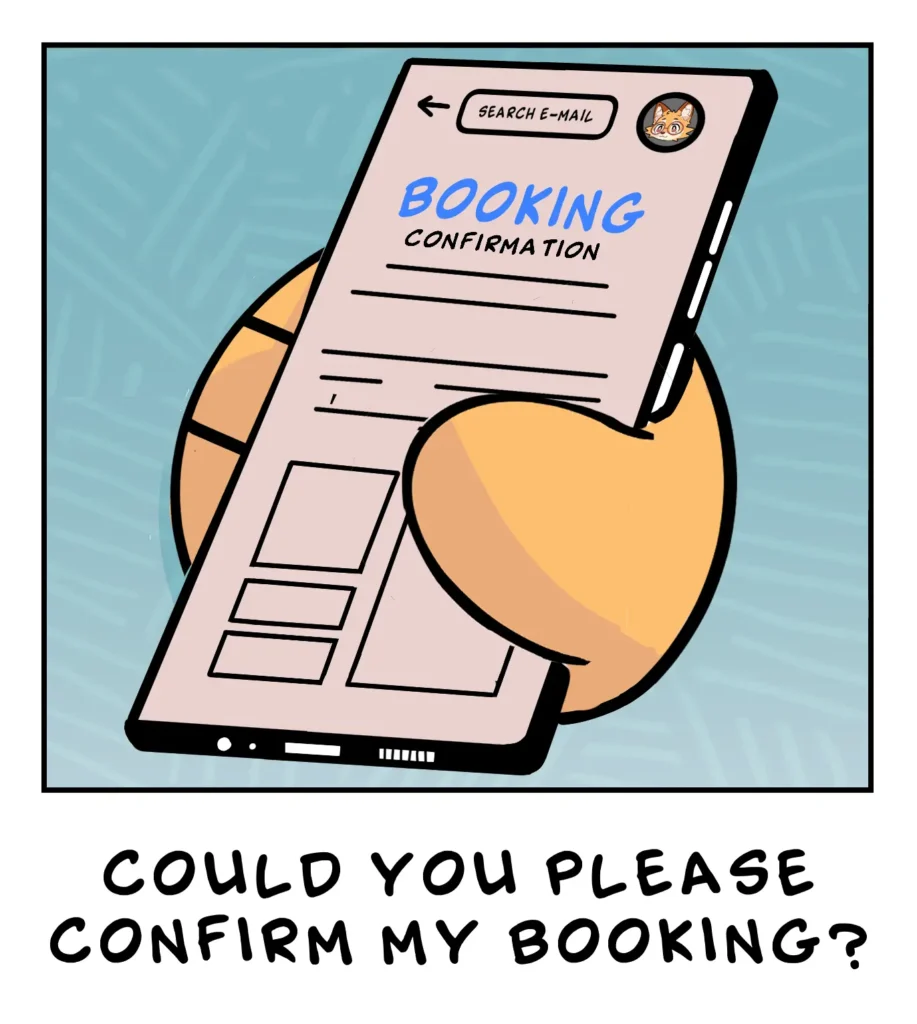
- “Could you please confirm my booking?”
- “Thank you very much for your help.”
Example Conversation Snippet:
Guest: Good afternoon, I have a reservation under Charles Monkap. Receptionist: Welcome, Mr. Monkap. May I see your ID and credit card, please? Guest: Sure, here they are. Could you tell me the breakfast timing?
Receptionist: Breakfast is served from 7:00 AM to 10:30 AM in the dining area.
3. Useful Hotel Vocabulary for Later Conversations
Once you’re settled in, you may need to request services or solve problems.
Asking for Services:
- “Could you send housekeeping to clean my room?”
- “Can I schedule a wake-up call at 6 AM?”
- “I’d like to request laundry service.”
Requesting Amenities:
- “May I have extra towels?”
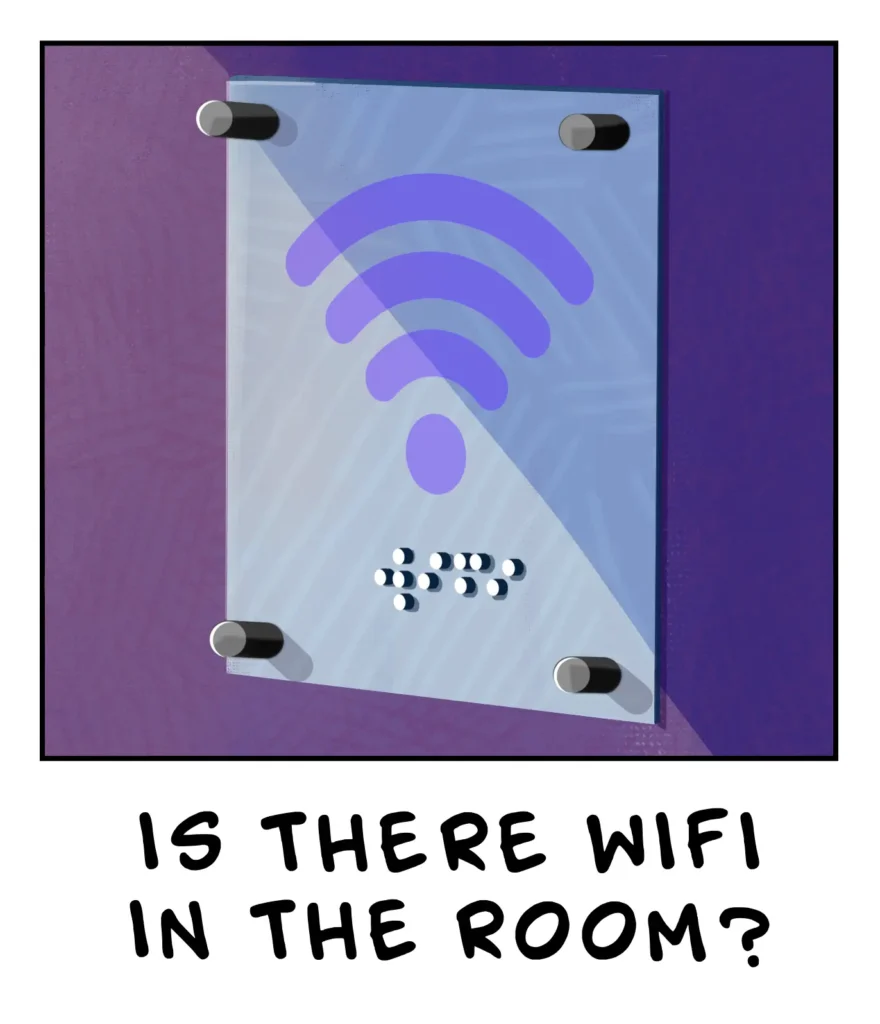
- “Is there Wi-Fi in the room?”
- “Could I order room service?”
Dealing with Problems:
- “There’s no hot water in my bathroom.”
- “The air conditioning isn’t working.”
- “The room next door is too noisy.”
Example Conversation Snippet:
Guest: Excuse me, could you send up an extra blanket?
Receptionist: Of course! It will be delivered within 10 minutes.
4. Hotel Vocabulary: Common Questions and Answers in English
Being familiar with common questions and answers saves time and confusion.
- Standard Questions Staff Ask Guests:
- “Do you have a reservation?”
- “Could I see your ID?”
- “Would you like a wake-up call?”
- “Will you need luggage assistance?”
Typical Guest Questions:
- “What time is breakfast?”
- “When is check-out?”
- “Where can I store my luggage?”
- “Are pets allowed?”
Example Q&A List:
- Guest: What time is breakfast?
Receptionist: From 7:00 AM to 10:30 AM. - Guest: Can I check out at noon instead of 11?
Receptionist: Certainly, there is a small late check-out fee.
5. Essential Hotel Vocabulary for Travelers
Here’s a handy list of must-know hotel-related words:
| Word / Phrase | Meaning | Example Sentence |
| Single room | Room for one | “I’d like a single room, please.” |
| Double room | Room for two | “Does the double room have a balcony?” |
| Suite | Luxury room | “The suite comes with a separate living area.” |
| Reception | Front desk | “Please check in at the reception.” |
| Concierge | Hotel assistant | “The concierge can book your city tour.” |
| Bellboy / Porter | Luggage assistant | “The bellboy will take my bags to the room.” |
| Wi-Fi | Internet access | “Is Wi-Fi included in the room?” |
| Minibar | Small fridge with drinks | “Can I get water from the minibar?” |
| Housekeeping | Room cleaning staff | “Housekeeping cleans the room daily.” |
| Breakfast included | Meal included | “Does this room come with breakfast included?” |
For an extended list of English idioms and vocabulary useful in hotels, check out this English idioms list.
6. Hotel Vocabulary: Polite Phrases to Use in Hotels
Politeness goes a long way. Using courteous expressions helps you build rapport with staff.
Polite Requests:
- “Could I…?” – “Could I get extra pillows?”
- “May I…?” – “May I have a wake-up call at 6 AM?”
- “Would it be possible…?” – “Would it be possible to extend my stay?”
Apologizing and Thanking Staff:
- “I’m sorry to bother you, but…”
- “Thank you very much for your help.”
- “I really appreciate it.”
Example Polite Exchange:
Guest: Excuse me, would it be possible to have late check-out tomorrow?
Receptionist: Certainly! We can extend it until 1:00 PM.
Guest: Thank you very much, I appreciate it.
7. Travelers Interacting with Staff (English & Spanish)
Here’s a bilingual table of a real hotel check-in:
| English Dialogue | Spanish Dialogue |
| Guest: Hello! I have a reservation under Charles Monkap. | Huésped: ¡Hola! Tengo una reservación a nombre de Charles Monkap. |
| Receptionist: Welcome, Mr. Monkap. May I have your ID, please? | Recepcionista: Bienvenido, señor Monkap. ¿Me puede dar su identificación, por favor? |
| Guest: Sure, here it is. Also, could you tell me what time breakfast is served? | Huésped: Claro, aquí está. También, ¿podría decirme a qué hora sirven el desayuno? |
| Receptionist: Breakfast is from 7:00 AM to 10:30 AM in the dining area. | Recepcionista: El desayuno es de 7:00 a 10:30 de la mañana en el comedor. |
| Guest: Perfect. One more thing—could you recommend a good local restaurant nearby? | Huésped: Perfecto. Una cosa más—¿me podría recomendar un buen restaurante local cerca de aquí? |
| Receptionist: Of course! There’s a fantastic seafood restaurant just two blocks away. | Recepcionista: ¡Por supuesto! Hay un restaurante de mariscos fantástico a solo dos calles de aquí. |
Practicing dialogues like this builds real confidence.
8. Going Deeper with Vocabulary
Hotel words often overlap with
other English words. Fun examples:
- “Suite” sounds like “sweet.”
- “Check-in” can be used casually to mean “update me.”
If you want to explore patterns and improve memory, check this English words synonyms guide.
9. Idioms You Might Hear in Hotels
English speakers sometimes use idioms casually in hotels:
- “Call it a night” = go to bed.
- “In-room perks” = benefits inside the room.
- “Travel light” = don’t carry much luggage.
For a bigger list, dive into this English idioms list.
10. Real-Life Scenarios
Online Booking:
- Half-board = breakfast + dinner.
- Full-board = all meals.
- All-inclusive = food, drinks, services included.
Front Desk:
- “Can I have a late check-out?”
- “Is Wi-Fi free?”
- “Do you have parking available?”
Complaints & Requests:
- “The air conditioning isn’t working.”
- “Could I change to a non-smoking room?”
- “We need an extra bed, please.”
Mini Quiz:
- Difference between double room & twin room?
- Translate: Quisiera una habitación con vistas al mar.
- What does all-inclusive mean?
Answers:
- Double = one large bed; Twin = two separate beds.
- I’d like a room with a sea view.
- Food, drinks, and services included.
Final Takeaway:
Hotels are universal, but the words aren’t. Learn them, and you unlock smoother travel, fewer mistakes, and more confidence.
Next time you walk up to reception, whether in English or Spanish, you won’t hesitate. You’ll simply smile and say:
“Good evening, I have a reservation. Could you check me in?” or “Buenos noches, tengo un reserva. ¿Podría registrarme?”
And just like that, you’re not just a traveler. You’re a communicator.