Positive Adjectives: Upgrade Your Language Fluency
Do you sometimes feel like a novice when writing or speaking to native English speakers, especially when you are describing others? Do you repeat the words “Great” and “Brilliant” because you don’t know a better way to describe people? Don’t worry, we’ve all been there at one point or another, and it’s an easy problem to fix!
Words like “Good” and “Great” are adjectives. Adjectives help you describe people and things, they point out positive and negative traits.
Table of Contents
Why Use Them
The adjectives you use tell others what type of person you are. If you only use negative ones, you sound pessimistic. If you use a couple of positive ones on repeat, you sound general, like you don’t care about the people and things you are describing.
Knowing a variety of positive adjectives and using them in your daily conversations:.
- Increases approachability: When you use positive adjectives about others, you sound like a kind and uplifting person.
- Improves clarity: Using more specific adjectives when describing others ensures your meaning comes across exactly the way you want it to, and you sound like you really care.
- Enhances tone: It’s an easy way to make your writing or speaking feel more persuasive, friendly, and memorable.
Positive adjectives can take your daily conversations and business communication (resumes, cover letters, job interviews, presentations, etc) to the next level; not using them at all, or using the same ones all the time, make you sound like a beginner. So here’s a list of the most popular and essential adjectives, organized by what they describe and when to use them!

List of Positive Descriptive Words for Different Occasions
General Positive Adjectives
When you want to commend an acquaintance that you do not know too well, you can saymention how they are:
- Brilliant: Exceptionally talented.
- Boost confidence – Words like motivated or confident make people feel valued.
- Build stronger relationships – Words like supportive and kind foster trust.
- Improve clarity – Specific adjectives such as detail-oriented or decisive give clear meaning.
- Enhance tone – Make your writing or speaking more persuasive, friendly, and memorable.
About Personality, Character and All Things Fundamental:
When you want to commend someone on their best personality traits, you can mention how they are:
- Authentic: Genuine and honest.
- Brave: Faces challenges without fear.
- Bright: Intelligent and cheerful.
- Balanced: Stable and fair-minded.
- Bubbly: Full of enthusiasm.
- Broad-minded: Open to ideas.
- Bold: Willing to take risks.
- Charismatic: Attracts and influences others.
- Curious: Shows interest in learning.
- Creative: Thinks of new ideas and solutions.
- Enthusiastic: Shows eager interest.
- Energetic: Full of life.
- Eloquent: Fluent and persuasive.
- Generous: Gives freely.
- Honest: Tells the truth.
- Humble: Modest.
- Hopeful: Optimistic.
- Humorous: Enjoys and shares humor.
- Honorable: Deserving respect.
- Knowledgeable: Well-informed.
- Imaginative: Full of ideas.
- Mature: Emotionally developed.
- Nurturing: Caring and supportive.
- Open-minded: Willing to consider others’ views.
- Organized: Systematic and tidy.
- Observant: Notices details.
- Patient: Calm under pressure.
- Passionate: Deeply enthusiastic.
- Polite: Courteous and respectful.
- Practical: Realistic and useful.
- Positive: Upbeat and confident.
- Perceptive: Aware and insightful.
- Persistent: Determined.
- Respectful: Shows regard for others.
- Resilient: Bounces back from challenges.
About Feelings, Kindness and All Things Loving:
When you want to commend someone on their kindness and how they care for others, you can mention how they are:
- Affectionate: Shows warmth and care.
- Appreciative: Shows gratitude.
- Attentive: Pays close attention.
- Amiable: Friendly and pleasant.
- Benevolent: Kind and generous.
- Compassionate: Shows empathy and care.
- Considerate: Mindful of others’ needs.
- Encouraging: Gives support.
- Friendly: Kind and welcoming.
- Gracious: Shows kindness.
- Helpful: Provides assistance.
- Hospitable: Welcoming.
- Kindhearted: Warm and generous.
- Supportive: Offers help and encouragement.
- Loyal: Sticks by you through thick and thin.
- Reassuring: Comforting.
- Selfless: Puts others first.
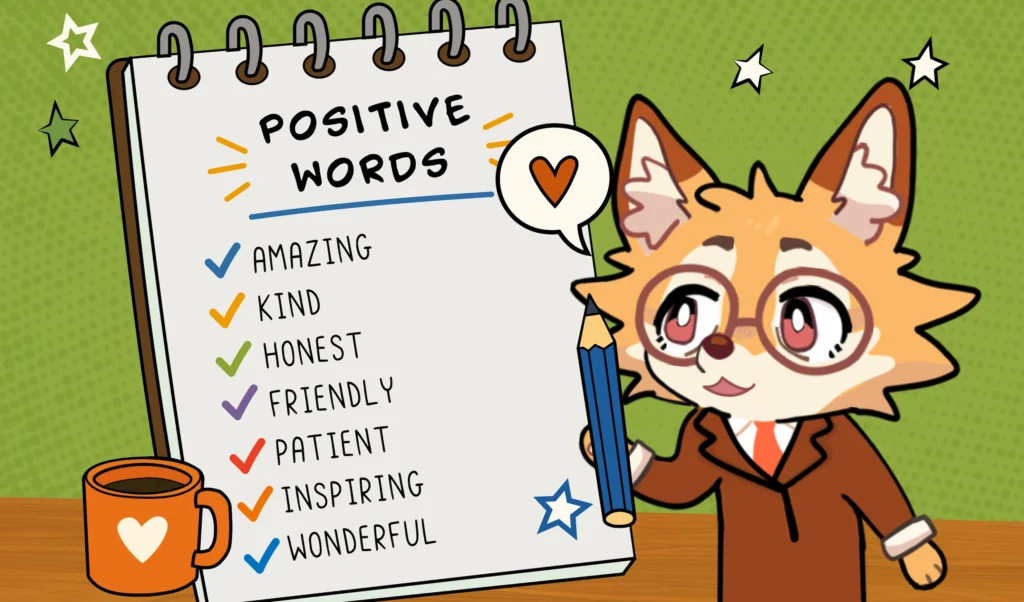
About Colleagues, Bosses, and All Things Professional
When you want to commend someone on their professional success, you can mention how they are:
- Adaptable: Adjusts easily to change.
- Ambitious: Driven to achieve goals.
- Articulate: Expresses ideas clearly.
- Assertive: Confidently states opinions.
- Collaborative: Works well with others.
- Consistent: Steady and reliable.
- Conscientious: Diligent and careful.
- Decisive: Makes clear, timely decisions.
- Dedicated: Fully committed.
- Dependable: Can be trusted.
- Diligent: Shows careful effort.
- Diplomatic: Handles situations tactfully.
- Driven: Motivated to succeed.
- Engaged: Actively involved.
- Grounded: Sensible and stable.
- Inspiring: Encourages others.
- Innovative: Creative and original.
- Insightful: Shows deep understanding.
- Influential: Has strong impact.
- Logical: Reasonable and clear-thinking.
- Level-headed: Calm under pressure.
- Qualified: Competent and capable.
- Responsible: Trustworthy.
- Reliable: Can be counted on in all circumstances.
- Skilled: Competent.
- Visionary: Sees future possibilities and inspires others.
Conclusion
Using positive adjectives can transform your writing, speech, and relationships for the better! Try introducing a new adjective into your vocabulary each day.
Writer: Avin Moonesan
Designer: Morgan Wyatt