English as a Second Language vs. ELA vs. Academic Writing: What’s the Difference?
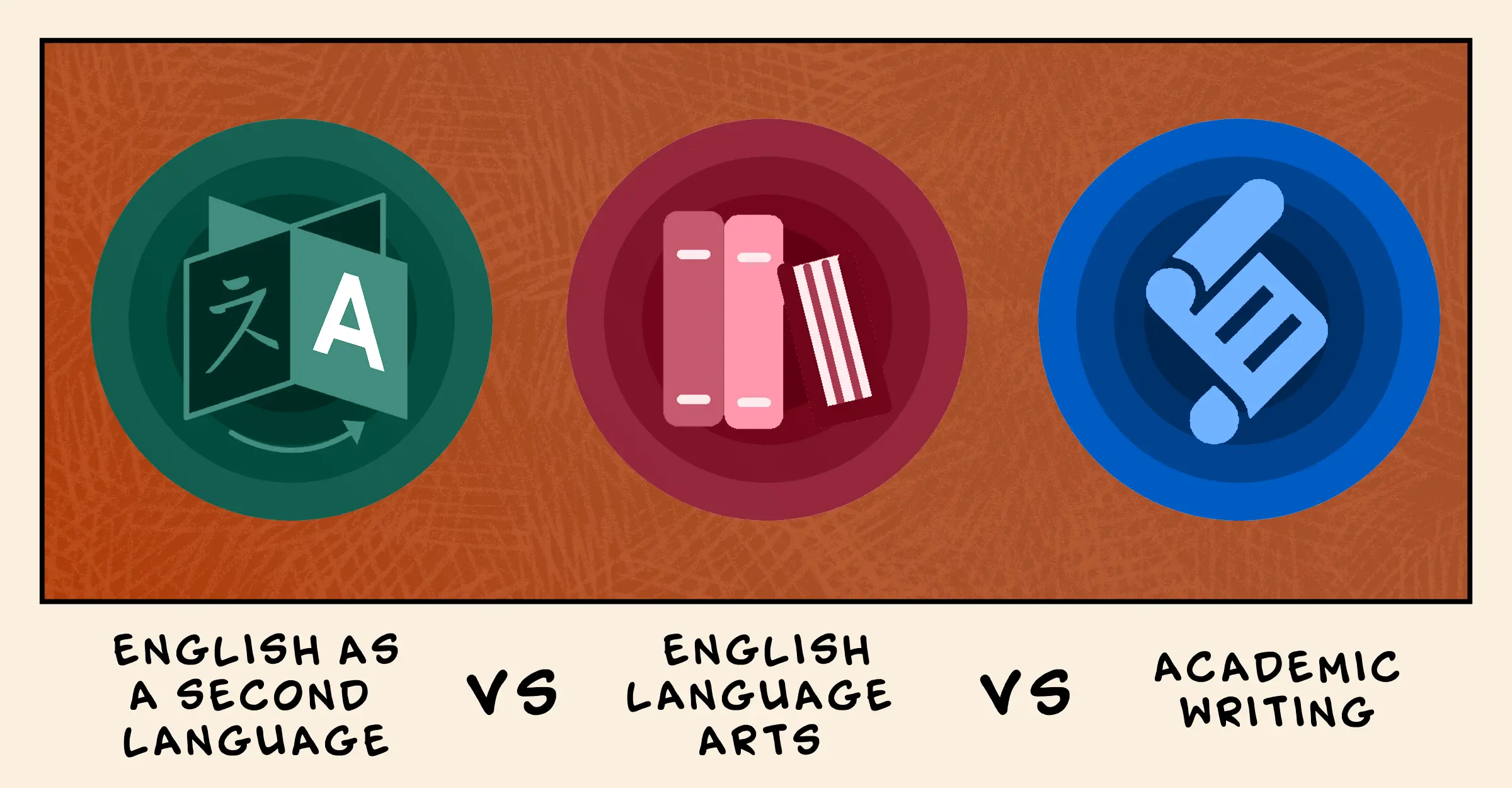
Table of Contents
Learning English can feel confusing. You might have heard terms like ESL, ELA, or academic writing, but what do they actually mean?
And more importantly: where do you fit in?
Imagine learning English as a journey.
At the beginning, you focus on basic words and simple sentences.
Then, you start reading stories and expressing ideas.
Finally, you learn how to write clearly and structure your thoughts.
These stages are often called:
- ESL (English as a Second Language)
- ELA (English Language Arts)
- Academic Writing.
In this guide, you’ll learn:
- What ESL, ELA, and academic writing really mean
- How each stage helps your language skills grow
- When to move from one level to the next
- How to choose the best path
What is ESL (English as a Second Language)?
If you’re new to English learning, this is your starting point. It helps you build basic English skills step by step.
During the stage of ESL, you will:
- Focus on grammar, vocabulary, and pronunciation (language skills)
- Topics from daily life (school, routines, holidays)
- Sometimes uses the native language for support
ESL is great at the beginning. But staying too long at this stage can slow down your progress.
What is ELA (English Language Arts)?
ELA is the next step after ESL. Here, you start learning like native speakers.
What actually happens in ELA:
- Reading stories, articles, and real texts
- Writing short responses and opinions
- Speaking and discussing ideas
At this stage, English becomes the main language of learning.
Why ELA is important:
Unlike ESL, where materials are often simplified and structured, ELA introduces learners to real-world content such as articles, essays, and literature. This exposure helps you develop critical thinking and build greater fluency.
What is Academic Writing?
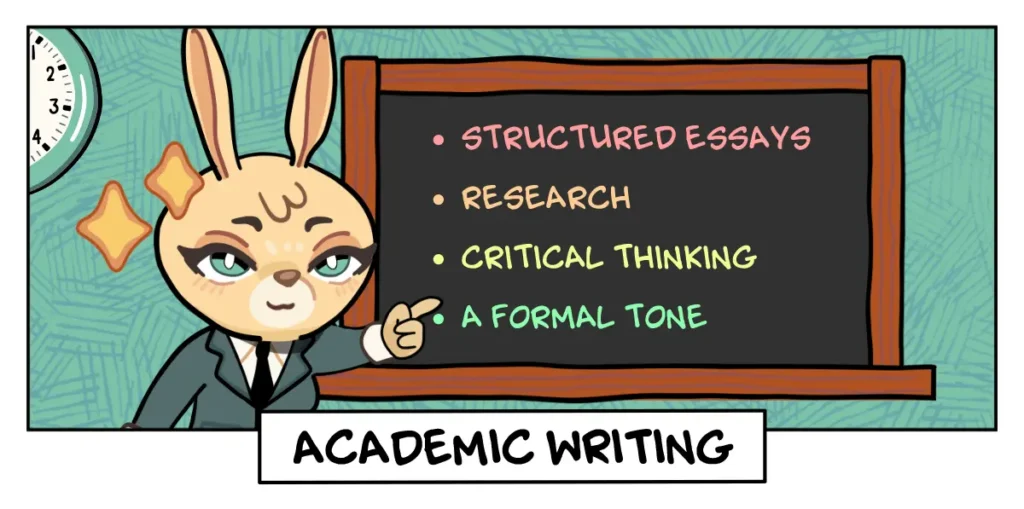
Academic writing is the most advanced stage. Students learn how to write clearly, logically, and formally. This is where your English becomes a tool for thinking, not just communication
Key skills in academic writing:
- Essay structure (introduction, body, conclusion)
- Argumentation and persuasion
- Using evidence and examples
This is essential for:
- High school
- University
- Professional communication
How English Supports Your Learning Journey
At each stage of learning English, the right support makes a big difference.
Here’s how English helps learners grow step by step.
1. Fundamentals (Early Learners)
This stage focuses on building strong basics.
- Learn phonics and basic reading skills
- Practice simple writing
- Understand texts through guided exercises
Perfect for beginners starting their English journey.
2. Writing Essentials (Intermediate Learners)
Here, students begin to express their ideas.
- Learn how to write topic sentences
- Practice short paragraphs
- Connect reading with writing and discussion
A key step toward more structured thinking.
3. Basic Essay Writing (Intermediate to Advanced Learners)
Students start writing full essays.
- Build simple, persuasive essays
- Organize ideas into clear paragraphs
- Learn through examples and guided practice
4. Extended Practice (Advanced Learners)
This is the advanced stage.
- Write research papers and longer essays
- Practice literary analysis
- Prepare for academic expectations
Ideal for students aiming for university-level writing.
The Learning Path: ESL → ELA → Academic Writing
Each stage builds on the previous one.
- ESL → builds the foundation
- ELA → develops understanding and fluency
- Academic writing → refines thinking and structure
Skipping a stage can create gaps. Remember, learning English is a journey: real progress happens when you move forward step by step.
Why You Shouldn’t Skip ELA
Many learners reach a point where they know the rules… but still feel stuck when trying to express their ideas.
This usually happens when the ELA stage is missing. They may:
- know grammar but do not understand the meaning
- struggle to express ideas
- lack confidence
That is why ELA is the bridge. It will help you:
- think in English
- understand tone and context
- express original ideas
The Role of Confidence in Learning English
Language learning is not just about skills. Confidence matters.
When students:
- finish a story
- speak in class
- write a paragraph
They start believing in themselves. This builds motivation, which gradually leads to progress.
This is when your identity as a learner starts to change; you’re no longer just studying English, you’re becoming an English user.
Useful Tips
- If you’re just starting, begin with ESL and focus on the basics
- Once you can follow content in English, challenge yourself with ELA
- When you feel ready, start exploring academic writing step by step
- Make reading in English part of your daily routine (even 20–30 minutes helps)
- Push yourself a little: share your ideas, write often, and think more deeply
Final Takeaway
As you may know by now, learning English is a journey.
ESL, ELA, and academic writing are not separate; they are connected. The right path helps you grow from a basic learner to a confident thinker and writer.
Quick Question for You
At which stage are you right now?
- ESL
- ELA
- Academic writing
Share your answer and let’s find the best next step!
References
https://www.britishcouncil.org/english
https://www.cambridgeenglish.org/learners
https://www.edutopia.org/subject/english-language-arts