30 + New Words for Agreement for More Sophisticated English
Learning English is both challenging and fun! Don’t you agree? Learning the different words for agreement is crucial for communication. These words establish mutual understanding, reduce ambiguity, and help build trust in both professional and personal relationships.
Often, agreement is expressed through words. In this article, we will explore 30 useful agreement synonyms with examples. This will help you choose the right words to agree with someone and sound more like a native English speaker.
Table of Contents
What Are Words for Agreement?
Agreeing with someone can be as easy as saying, “I agree”. If you would like to sound more advanced and to better get your point across, there are many synonyms at your disposal.
The English language offers a wide range of alternatives, each carrying slightly different nuances. For instance, in casual conversation you might say “absolutely,” “sure thing,” or “you’re right,” to keep the tone friendly and relaxed.
In a formal or professional setting, phrases such as “I concur,” “that’s correct,” or “we’re in accord” may be more suitable. In academic or analytical writing, you might lean on expressions like “this aligns with,” or “I support this view.”
Choosing the right words for agreement is important to ensure that you express your precise meaning in that context. Is your desired tone conversational, formal or academic?
Why Use Different Words for Agreement?
Common grammar mistakes often result from awkward phrasing. This is why using synonyms – other words to say I agree with you – can improve your English and help you sound like a native speaker.
Finding alternative words to agree with someone will improve your vocabulary and enhance clarification, improving your written and verbal English communication. It will also help you to avoid repetition and establish the intended tone.
30+ Words for Agreement (With Examples)
Here are 30+ words for agreement with examples. Using these synonyms can enhance your clarity, and improve your written and verbal English communication.
These synonyms can ensure that you use the proper agreement word in the proper situation and in the proper context. Some words are for formal settings and some are for informal ones.
Formal Words for Agreement
| Words | Examples |
| Accord | The two nations signed an accord to reduce carbon emissions. |
| Consensus | There was a clear consensus among the committee to move forward. |
| Compact | The neighbours formed a compact to maintain the shared garden. |
| Settlement | The dispute was resolved through a legal settlement. |
| Understanding | They reached an understanding about flexible working hours. |
Legal and Contractual Words of Agreement
| Word | 6tgb 8 |
| Treaty | The peace treaty ended decades of conflict. |
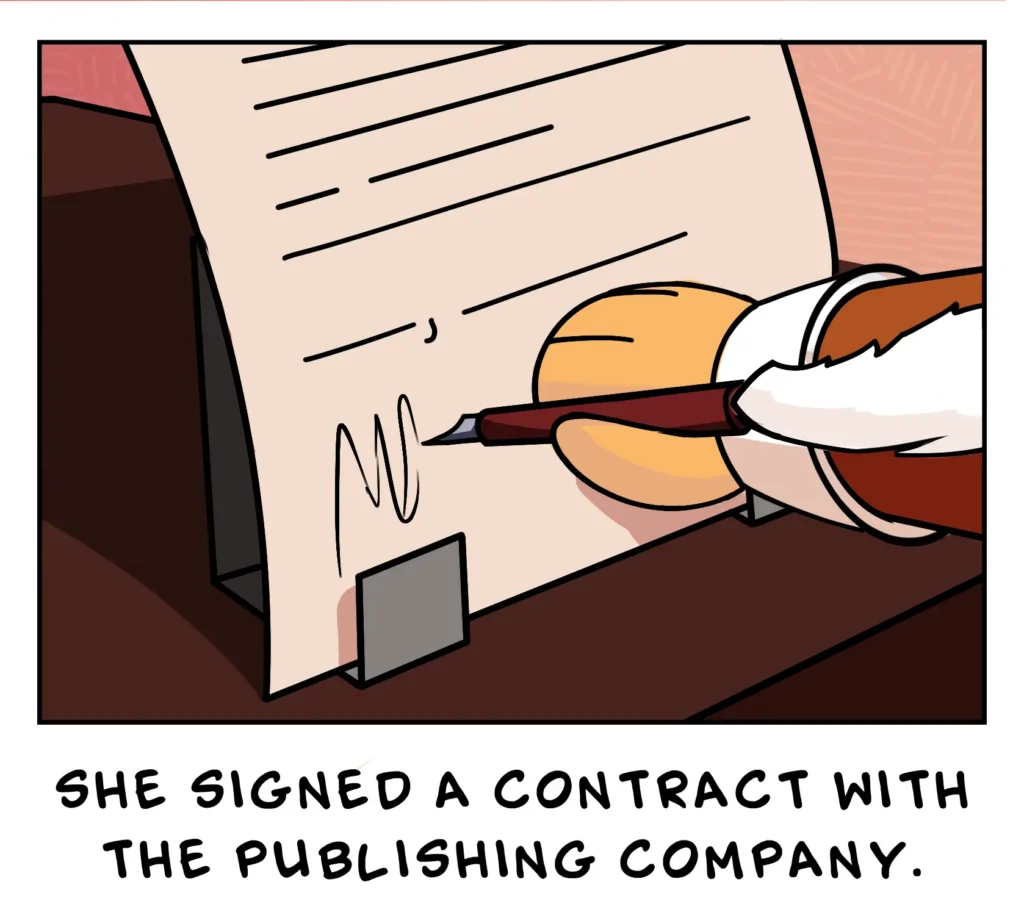
| Contract | She signed a contract with the publishing company. |
| Covenant | The covenant bound the parties to mutual obligations. |
| Pact | The two leaders formed a pact to support each other’s policies. |
| Arrangement | We made an arrangement to share office space. |
Everyday Words for Agreement
| Words | Examples |
| Deal | We made a deal to split the rent evenly. |
| Promise | He gave me his promise that he would help with the project. |
| Commitment | Her commitment to the cause never wavered. |
| Agreement | They came to an agreement after hours of negotiation. |
| Resolution | The resolution was passed unanimously by the board. |
Synonyms Showing Mutual Agreement
| Words | Examples |
| Harmony | The team worked in harmony to achieve their goal. |
| Unity | There was a strong sense of unity among the protesters. |
| Alignment | The company’s goals are in alignment with environmental standards. |
| Concord | Nations lived in concord for many years after the treaty. |
| Union | The union between the two firms strengthened their market position. |
Strong Words for Agreement
| Words | Examples |
| Concurrence | There was full concurrence on the proposed policy change. |
| Approval | The plan received approval from the senior management team. |
| Assent | She nodded in assent to the proposal. |
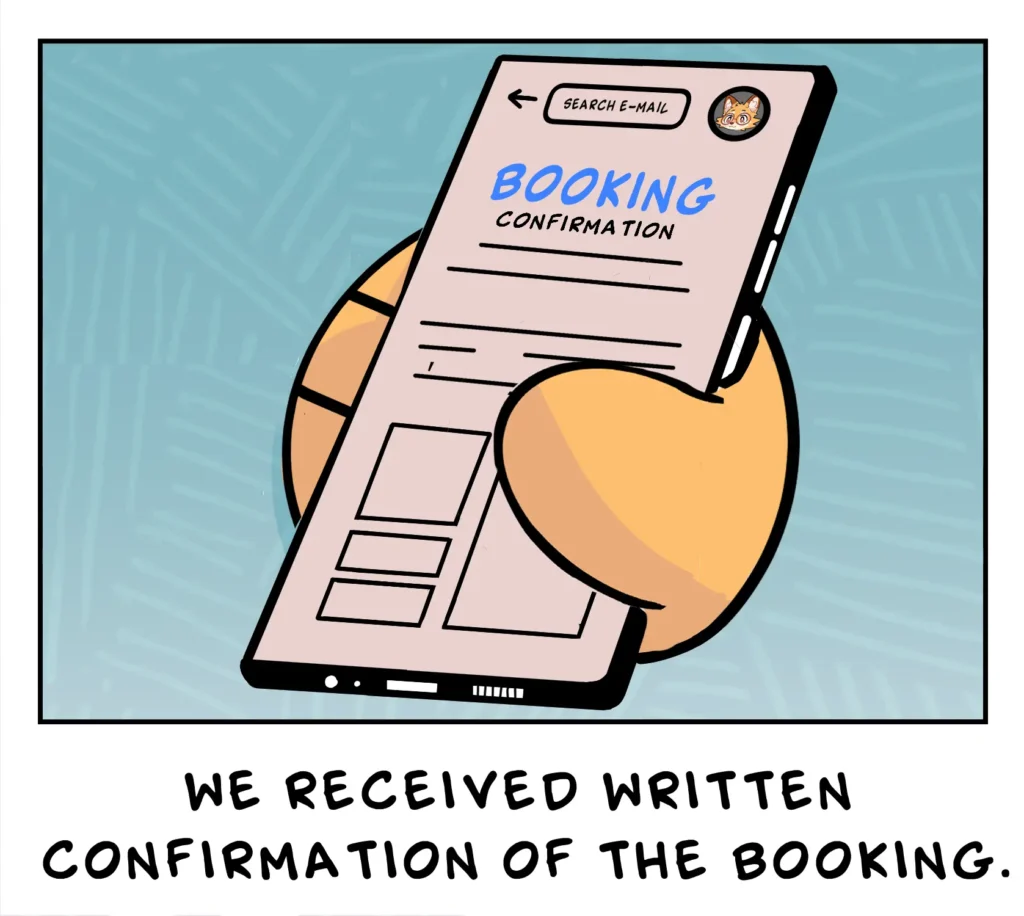
| Confirmation | We received written confirmation of the booking. |
| Endorsement | The campaign gained a crucial endorsement from the mayor. |
When to Use Words for Agreement?
Now that you have an array of agreement synonyms, it is important to understand when to use what word to agree with someone.
In legal and professional settings, it is advisable to use a formal tone of voice. For example, when you are writing or discussing formal contracts, negotiations or business deals. This ensures professionalism and serious communication.
In everyday conversations, use clear words that everyone can understand. This will ensure your communication is understood and help express yourself more naturally.
When writing and storytelling, find creative ways to express unity and understanding. Creative writing is also a brilliant language learning exercise that improves your grammatical accuracy, vocabulary range, and sense of rhythm.
How to Choose the Right Words for Agreement
Remember, when considering other words to say, “I agree with you”:
- Consider the level of formality.
Always consider your audience. Formal phrases such as, “we’re in accord” work in a professional setting. In an informal setting, such as speaking with a friend, phrases such as “you’re right” are more appropriate.
- Match the word to the situation.
When agreeing with someone, context matters. In a legal setting terms like “settlement” or “understanding” are used. In everyday conversation, you can simply say “sure” or “exactly”.
- Avoid overcomplicated terms when simple ones work best.
While there are many synonyms for agreement, clarity should always come first. Overly complex phrases can distract or confuse your listener. A direct “I agree” is often more powerful than a rare or formal synonym.
Conclusion
Using a wide range of words for agreement not only strengthens your writing but also makes your speech more engaging and precise. By substituting common terms with richer alternatives, you can enhance clarity and add depth and variety to your communication.
Start practicing now by weaving these words into your everyday conversations and written communications. This is a simple yet powerful way to improve your English, sharpen your writing style and sound more like a native speaker.
Enjoyed this article? Share your favourite agreement-related words in the comment section below. We would love to engage with you and see which ones resonate with you most!