Top 200+ Synonyms and Antonyms List to Enhance Vocabulary
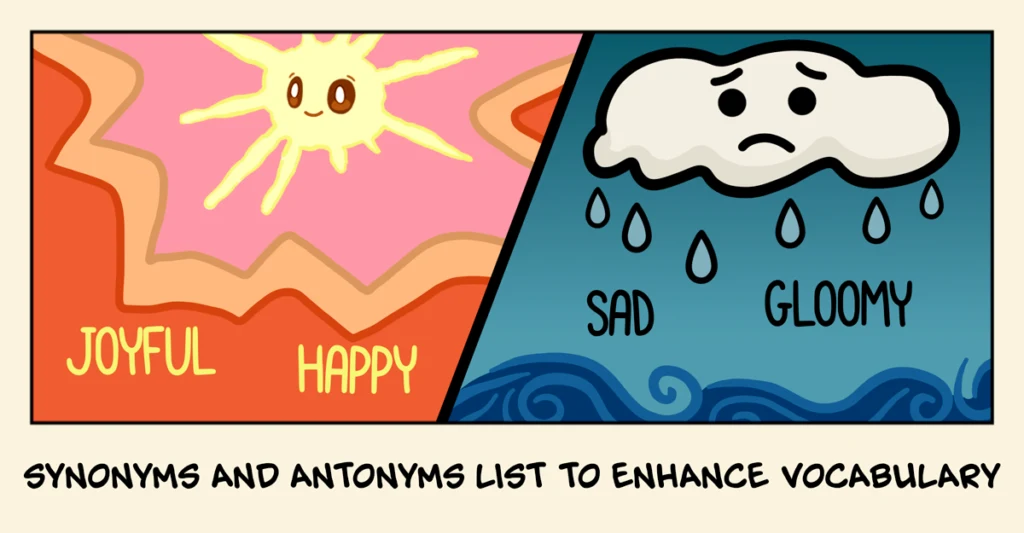
There is one skill that is a game-changer for having more natural-sounding English: mastering synonyms and antonyms. Knowing related words and pairings will add more depth, variety, and, most importantly, impact to your speaking and writing.
This guide is your starter and go-to reference for synonyms and antonyms for exam preparation, everyday speech, and much more.
In this guide, you’ll learn:
- What are synonyms and antonyms?
- Why are synonyms and antonyms so important?
- A complete A-Z list of 200+ synonym and antonym pairs
- Real sentence examples
- Tips to learn synonyms and antonyms
Table of Contents
What are Synonyms and Antonyms?
Synonyms
A synonym is a word or phrase that has the same or similar meaning as another/other words. Using synonyms in your writing can help it flow better and avoid repetition.
Examples of Synonyms:
- Begin → Commence, Initiate, Start
- Smart → Bright, Clever, Intelligent
- End → Conclude, Finish, Terminate
Antonyms
An antonym is a word or phrase with the opposite meaning. Antonyms can make your ideas clearer and help you emphasize contrast.
Examples of Antonyms:
- True ↔ False
- Big ↔ Small
- Hot ↔ Cold
With synonyms expanding your vocabulary and antonyms emphasizing your contrasts, your communication and writing will strengthen.
Why are Synonyms and Antonyms so Important?
It is definitely worth taking the time to expand your vocabulary with synonyms and antonyms.
Here’s why:
- Build your vocabulary: learning in pairs and more at least doubles your growth
- Better express yourself: loaded word choices make speaking and writing more vivid
- Improve your exam scores: sections in IELTS, TOEFL, SAT, and many other school exams test knowledge of synonyms and antonyms
- Professionalize yourself: emails, reports, and presentations are stronger through varied word choices
Want to improve your professional English with synonyms, antonyms, and much more? Join our Business English course — personally tailored to your professional English language goals.
A complete A-Z List of 200+ Synonym – Antonym Pairs
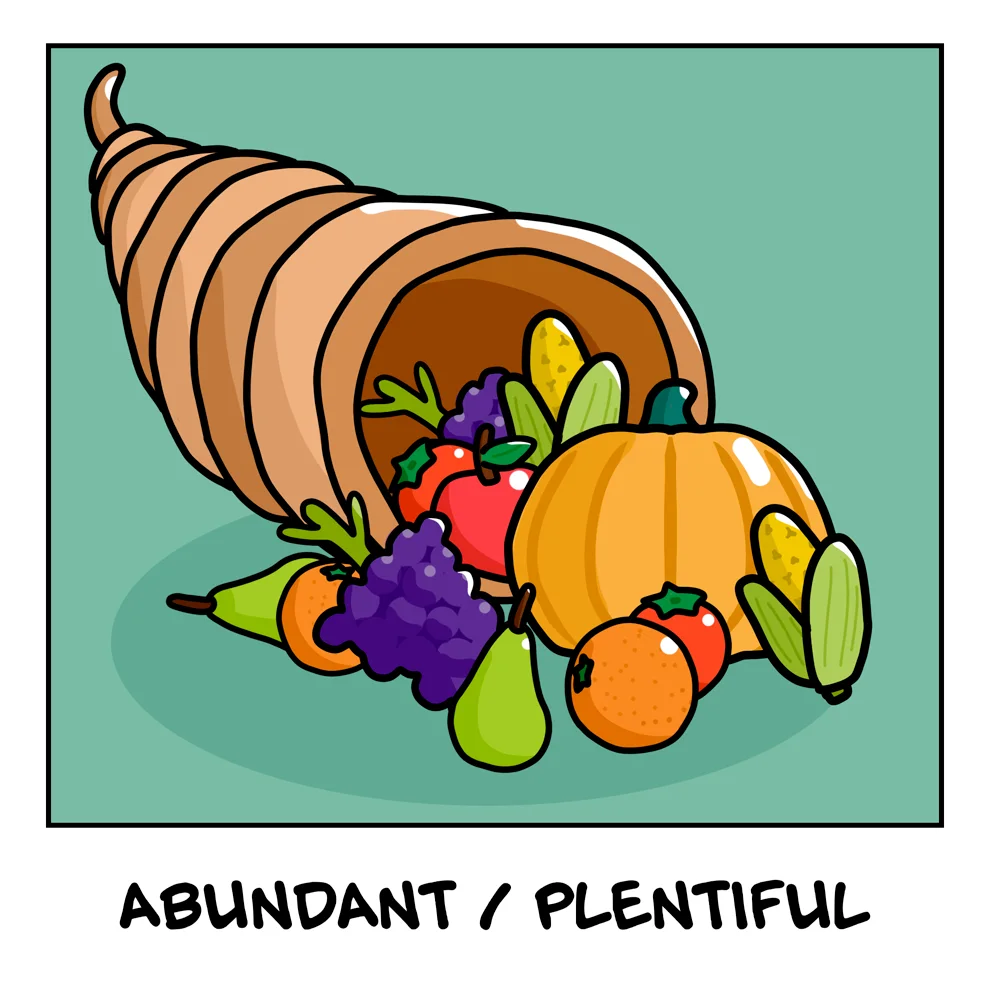
Here is your extensive list of synonyms and antonyms as a quick vocabulary reference.
| Words | Synonym | Antonym |
| Agile | Nimble | Clumsy |
| Abundant | Plentiful | Scarce |
| Accurate | Correct | Wrong |
| Admire | Respect | Despise |
| Agree | Consent | Disagree |
| Boring | Dull | Interestings |
| Balance | Stability | Imblance |
| Banish | Expel | Welcome |
| Bitter | Harsh | Sweet |
| Busy | Occupied | Idle |
| Courage | Bravery | Cowardice |
| Cheap | Inexpensive | Expensive |
| Clever | Intelligent | Foolish |
| Cold | Chilly | Hot |
| Conceal | Hide | Reveal |
| Diligint | Hardworking | Lazy |
| Dark | Dim | Bright |
| Danger | Risk | Safety |
| Destroy | Ruin | Create |
| Dirty | Filthy | Clean |
| Eager | Keen | Reluctant |
| Early | Prompt | Late |
| Expand | Enlarge | Contract |
| Encourage | Inspire | Discourage |
| Easy | Simple | Difficult |
| Friend | Comrade | Enemy |
| Fail | Flop | Succeed |
| Famous | Renowned | Unknown |
| Flexible | Adaptable | Rigid |
| Freedom | Liberty | Captivity |
| Glad | Happy | Sad |
| Gain | Acquire | Lose |
| Gratitude | Thankfulness | Ingratitude |
| Giant | Huge | Tiny |
| Generous | Kind | Stingy |
| Healthy | Fit | Sick |
| Happy | Cheerful | Sad |
| Hate | Detest | Love |
| Honest | Truthful | Dishonest |
| Hungry | Starving | Full |
| Increase | Grow | Decrease |
| Important | Significant | Trivial |
| Itelligent | Smart | Stupid |
| Interesting | Fascinating | Boring |
| Inside | Interior | Outside |
| Join | Connect | Separate |
| Joy | Delight | Misery |
| Just | Fair | Unjust |
| Knowledge | Understanding | Ignorance |
| Kind | Gentle | Cruel |
| Long | Lengthy | Short |
| Laugh | Giggle | Cry |
| Light | Bright | Dark |
| Long | Lengthy | Short |
| Loyal | Faithful | Disloyal |
| Modern | Contemporary | Ancient |
| Maximum | Greatest | Minimum |
| Merry | Joyful | Sad |
| Mature | Adult | Immature |
| Noisy | Loud | Quiet |
| Negative | Pessimistic | Positive |
| Nice | Pleasent | Nasty |
| New | Recent | Old |
| Neat | Tidy | Messy |
| Open | Accesible | Closed |
| Odd | Strange | Normal |
| Optimistic | Hopeful | Pessimistic |
| Ordinary | Common | Special |
| Outward | Exterior | Inward |
| Powerful | Strong | Weak |
| Patient | Tolerant | Impatient |
| Peace | Calm | Conflict |
| Polite | Courteous | Rude |
| Powerful | Strong | Weak |
| Quick | Fast | Slow |
| Quiet | Silent | Loud |
| Rich | Wealthy | Poor |
| Rare | Uncommon | Common |
| Reach | Arrive | Depart |
| Refuse | Reject | Accept |
| Remote | Distant | Near |
| Smooth | Even | Rough |
| Shallow | Superficial | Deep |
| Simple | Easy | Comples |
| Sweet | Sugary | Bitter |
| Start | Begin | Finish |
| Tame | Docile | Wild |
| Teach | Instruct | Mislead |
| Tight | Firm | Loose |
| True | Correct | False |
| Thick | Fat | Thin |
| Up | Above | Down |
| Under | Below | Above |
| Unite | Join | Divide |
| Useful | Helpful | Useless |
| Vacant | Empty | Occupied |
| Victory | Triumph | Defeat |
| Virtue | Goodness | Vice |
| Wide | Broad | Narrow |
| Warm | Hot | Cold |
| Wild | Untamed | Tame |
| Wise | Intelligent | Foolish |
| Wet | Damp | Dry |
| Young | Youthful | Old |
| Zealous | Passionate | Indifferent |
Real Synonym and Antonym Sentence Examples
Contextual use of some words might help you remember them better. Here are some real sentence examples
- She felt “elated” (synonym: joyful, antonym: depressed) after hearing the good news
- His explanation was “ambiguous” (synonym: vague, antonym: clear), leaving the class confused.
- The athlete was “fast” (synonym: swift, antonym: sluggish) on the track.
- Our teacher is always “benevolent” (synonym: kind, antonym: harsh).
- The story was “fascinating” (synonym: interesting, antonym: dull).
- Her friends never turned “disloyal” (synonym: unfaithful, antonym: loyal) even in tough times.
- The exam was “challenging” (synonym: difficult, antonym: simple).
- His speech was “inspiring” (synonym: motivating, antonym: demoralizing).
While synonyms may be related, it doesn’t mean you can always just switch a word with a random synonym. It can sometimes make the sentence sound unnatural or even change the meaning.
- She needs to make a decision.
- Replacing “make” with a synonym like “do” doesn’t fit the context of the sentence.
- The professor delivered a brilliant lecture.
- While replacing “lecture” with a synonym like “speech” is still correct, it diminishes the academic context.
- I love you dearly.
- While “tenderly” is a synonym of “dearly,” it changes the connotation and shifts the emotional tone of the sentence.
Tips for Learning Synonyms and Antonyms
These quick tips can help make the related words stick:
- Learn root words: Knowing your root words helps you remember and even guess the meanings of new words.
- Read every day: Any text you can get a hold of, books, news articles, and blogs just like this one, exposes you to more words in a natural environment with context.
- Use word games: Scrabble makes vocabulary practice interesting through its gameplay.
- Write with intention: Journaling or writing essays? Try using your synonyms and antonyms to level them up.
Are you really struggling to find the right words for your speaking or writing? A thesaurus is a wonderful tool to easily find the synonyms and antonyms of the words you need. You can grab a copy from your local bookstore or use online websites such as Thesaurus.com or Merriam-Webster.
Conclusion
Learning synonyms and antonyms for many words is important for improving your vocabulary. The more you know, the more understanding you will gain of their usage and how diversely you can use these word pairs, whether that is in a job interview, a crucial exam, or just everyday conversation.
An Interesting Fun Fact
Like many academic words in English, the words “synonym” and “antonym” have Greek origins
- Onoma: this root word means “name” in Greek.
- Syn: “together,” so synonym literally means “sharing the same name” in Greek.
- Anti: “against,” so antonym literally means “names against each other” in Greek.
References
http://Thesaurus.com