The Importance of Learning Business English in Today’s Globalized World
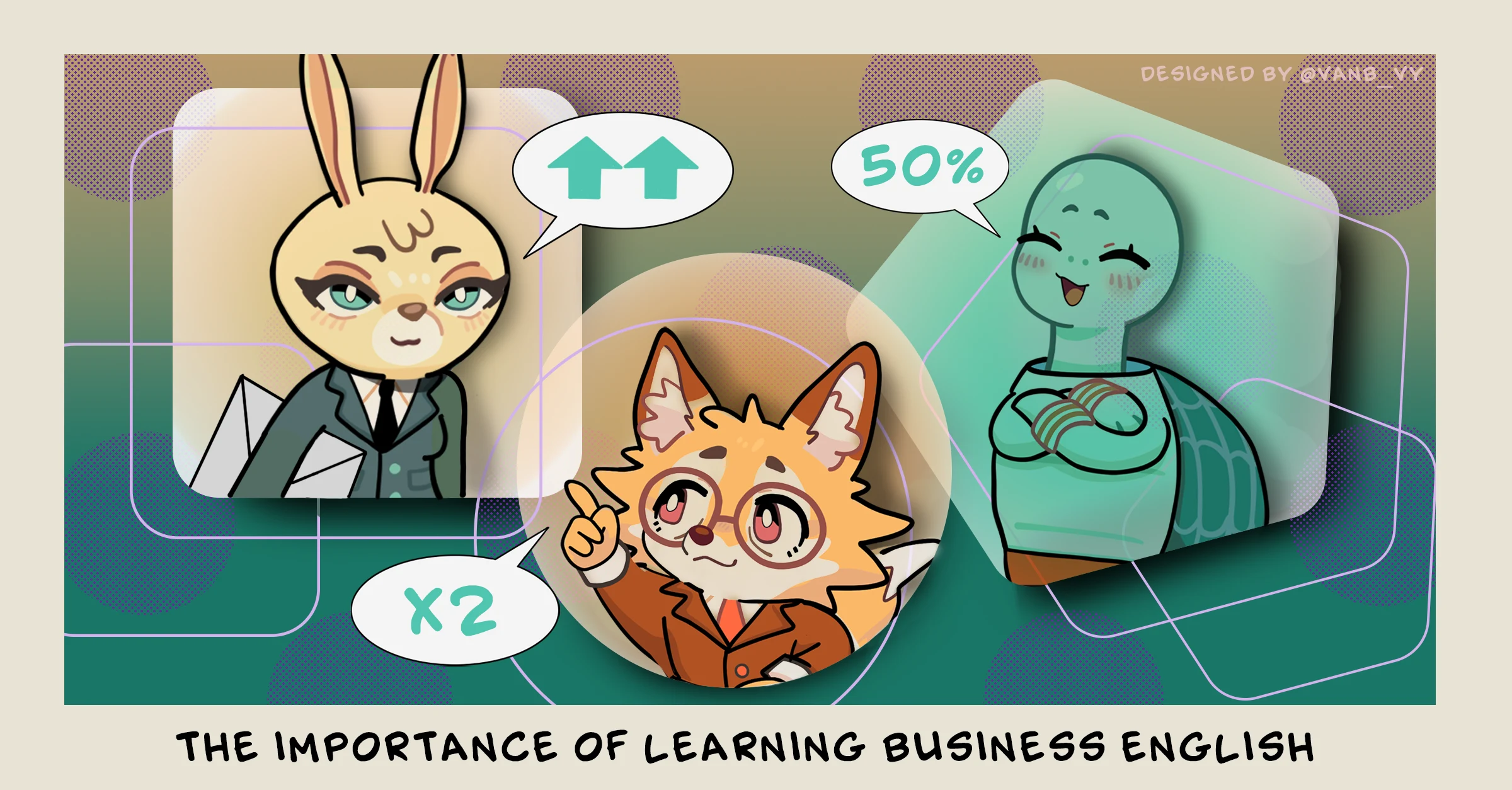
About 1.5 billion people in the world speak English. But not everyone can use it confidently in a business setting.
Mastering professional English communication is essential in today’s globally interconnected workplace. Whether negotiating with clients or presenting projects, refining your business English language skills opens up a world of new opportunities.
In this article, you will learn:
- What is Business English?
- Why Business English Matters
- Essential Business English Skills
- Learning Business English vs. General English
- Paths to Improving Business English
Table of Contents
What is Business English?
Chatting with a group of friends is vastly different to leading a business meeting. Business English is its own skillset.
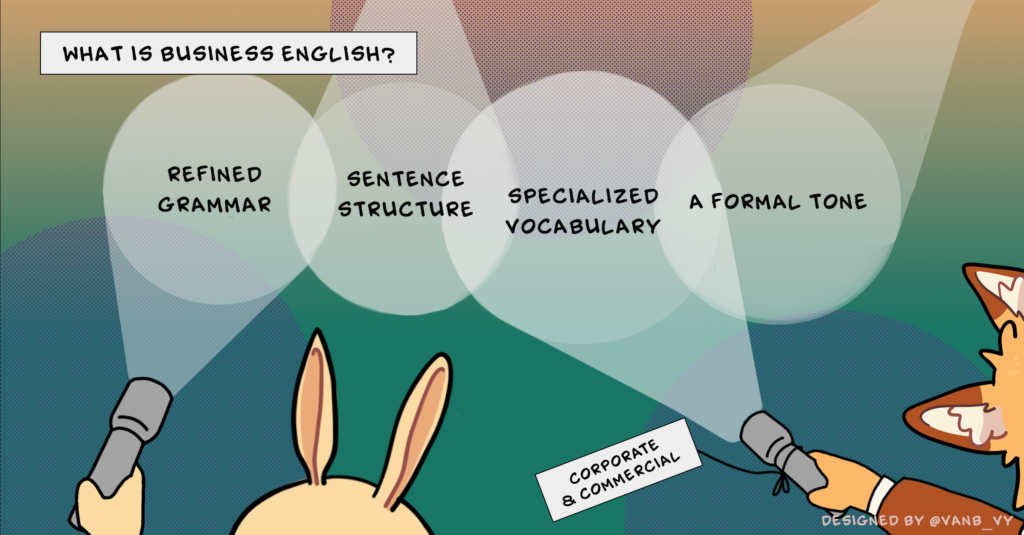
Business English is a specialized form of English used in professional and commercial settings. It involves a formal tone of language, refined grammar and sentence structure, and specialized vocabulary common to the business and corporate world. It requires not only adequate knowledge of the English language, but a strong cultural understanding of English-speaking professional settings.
Why Business English Matters
English is the dominant language used in global business. Whether you’re in healthcare, finance, marketing, education, or any other field with an international sector, business English skills are valuable in your professional journey.
Global conferences may include speakers from many different languages, but English is often the most commonly spoken language when businesspeople speak with someone from another country. Emails, virtual meetings, and other forms of correspondence with global business partners will often be in English if not another shared language.
Mastering business English has many benefits:
- Get promotions faster: Professionals fluent in business English often get faster access to promotions and opportunities to earn more.
- Global job market: English is used for business globally, which opens up access to job opportunities worldwide.
- Better workplace communication: Skills in professional English communication leads to better emails, meetings, and professional correspondence.
- Effective negotiating: Confidence in business English equips individuals with persuasive and professional phrasing to make deals and bargains.
- Stronger networks: Consistent and clear correspondence leads to lasting professional relationships, which opens up access to more global opportunities.
Essential Business English Skills
Mastering business English involves mastering multiple different skillsets. Business English lessons will often teach English for specific purposes. Whether you are learning from a course or self-taught, these are some important essential skills:
- Professional Writing: Writing may often be your first contact or introduction to a global business partner or stakeholder. Ensure a good first impression with proper professional tone, sentence structure, and vocabulary. Learn how to write professional emails, digital messages, reports, and proposals for clear business communications.
- Presentations: Delivering presentations or speeches involves public speaking skills and the ability to organize and convey ideas to an audience. Learn some essential phrases for presentations here: Essential Phrases for Business Presentations in English
- Meetings: Meetings involve conversation skills and a balance between professional and casual language. See more in this article: Master Business Meeting English
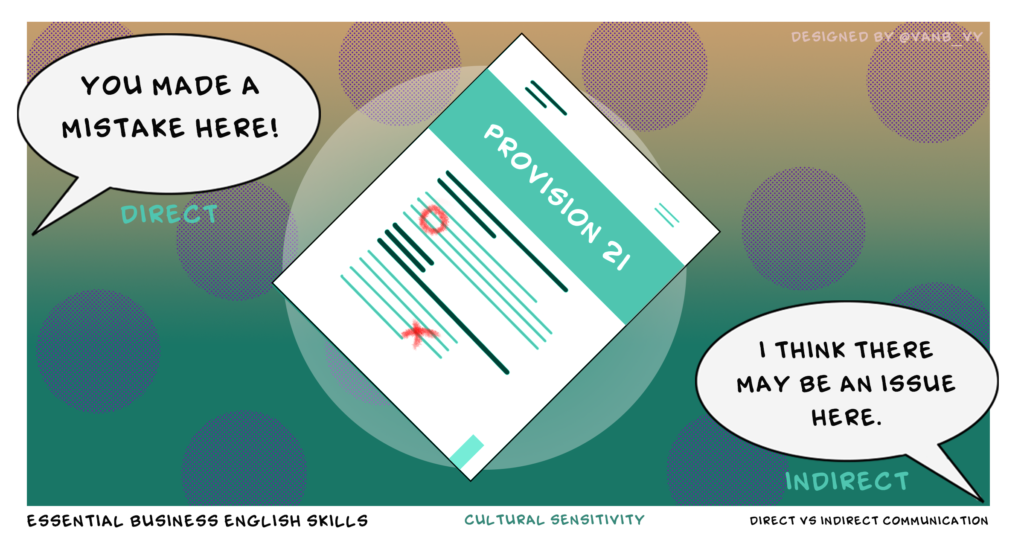
- Cultural sensitivity: Being aware of cultural differences is crucial when communicating in professional settings. Some key considerations include:
- Direct vs. Indirect Communication: Some cultures prefer direct communication, while others prefer indirect. Know who you’re talking to and make an effort to understand their cultural sensitivities.
- Formality: Knowing when to use formal versus informal language can help set the right tone in your conversations.
- Understanding these differences helps to foster smoother business relationships. For more insights into cultural differences, check Hofstede’s Cultural Dimensions.
Learning Business English vs. General English
When looking for English courses, many programs will have business English as a separate course offering from general English. While learning business English may be a primary reason for some people to learn the language, it is important to build a general English foundation before learning business English.
Business English builds on core grammar, sentence structure, and conversational skills that are learned in general English. It is important to have at least an intermediate level of English to give yourself the best foundation before learning business English vocabulary and skills.
Paths to Improving Business English
One of the best ways to learn business English is from an instructor or specialized course with opportunities to practice business English in a practical setting. Outside of taking a course, here are some other great ways to improve your business English skills:
- Join industry groups: Participate in English forums or LinkedIn groups related to your industry to practice discussing industry topics in a professional language environment.
- Exercise specific skills: For example, practice making and presenting PowerPoint presentations or short speeches.
- Listen to podcasts: Listen to business related podcasts or watch videos to help with vocabulary and comprehension. Listening to English content also helps with learning proper tone and enunciation.
- Write frequently: Practice drafting professional emails or reports as if they were business communications.
- Read business related books Business related books such as those listed on Goodreads’ Popular Business Books list or business magazines such as Forbes and Harvard Business Review are great ways to expand your business vocabulary and knowledge at the same time.
Ready to enhance your professional communication? Our Business English courses provide personalized training for professionals. From meetings to presentations, we’ll help you communicate with confidence.
Writer: Christina Liu
Designer: Van Nguyen