25+ IELTS Idioms to Boost Your Score
Introduction
Idioms for IELTS speaking can help you make your answers sound more natural, expressive, and fluent. However, simply memorizing difficult expressions isn’t enough. The key is knowing what an idiom means, when to use it, and how to use it naturally.
But here’s the catch: you don’t need to force idioms into every sentence. Instead, when used appropriately, idioms make your answers authentic.
For students looking to elevate their writing even further, explore our blogs about advanced English idioms, positive descriptive words, and list of metaphors to add academic flair to your essays.
Table of Contents
Why Use Idioms in IELTS Speaking?
In the IELTS Speaking test, one of the key scoring criteria is lexical resource, which refers to linguistic range and accuracy. When you drop a phrase like “hit the road” into your response, it signals two things:
- You understand figurative language.
- You can use it naturally in the right context.
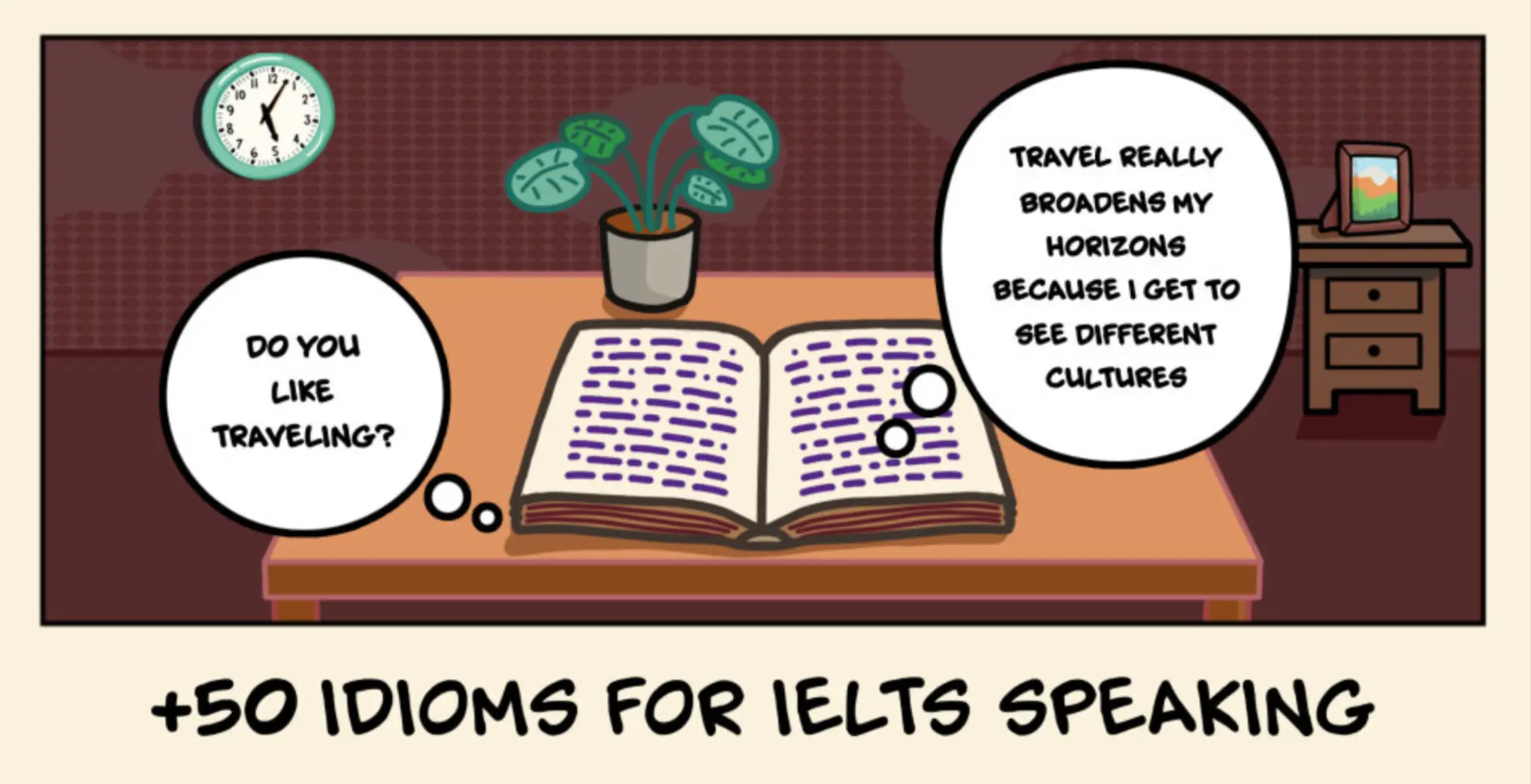
For example, if the examiner asks: “Do you like traveling?”, you could simply say, “Yes, I like traveling a lot.” Or, you could say: “Travel really broadens my horizons because I get to see different cultures.” The second answer is far more impressive.
A word of caution:
- Don’t force idioms into every sentence
- Choose idioms that match the topic.
- Ensure your register is natural.
When used wisely, idioms can be the difference between sounding robotic and speaking fluently. When preparing for IELTS speaking, focus on idioms that can be used in everyday topics like family, work, or education.
Top Idioms and Phrases for IELTS Speaking
Learning idioms for IELTS speaking doesn’t mean memorizing many at once; instead, practice 2–3 idioms in your daily conversation
Travel & Experiences
Broadens your horizons – Expands your knowledge and experience.
- Travel really broadens my horizons because I meet people from different backgrounds.
Hit the road – Start a journey.
- As soon as I finish my exams, I want to hit the road and explore new cities.
Once in a blue moon – Something that happens very rarely.
- Once in a blue moon, I take my girlfriend out on a fancy dinner.
Catch the travel bug – Become very interested in traveling.
- After my trip to Europe, I caught the travel bug and now I want to travel more.
Live out of a suitcase – To travel a lot, moving from place to place.
- As a consultant, I often live out of a suitcase while visiting different cities.
Work & Study
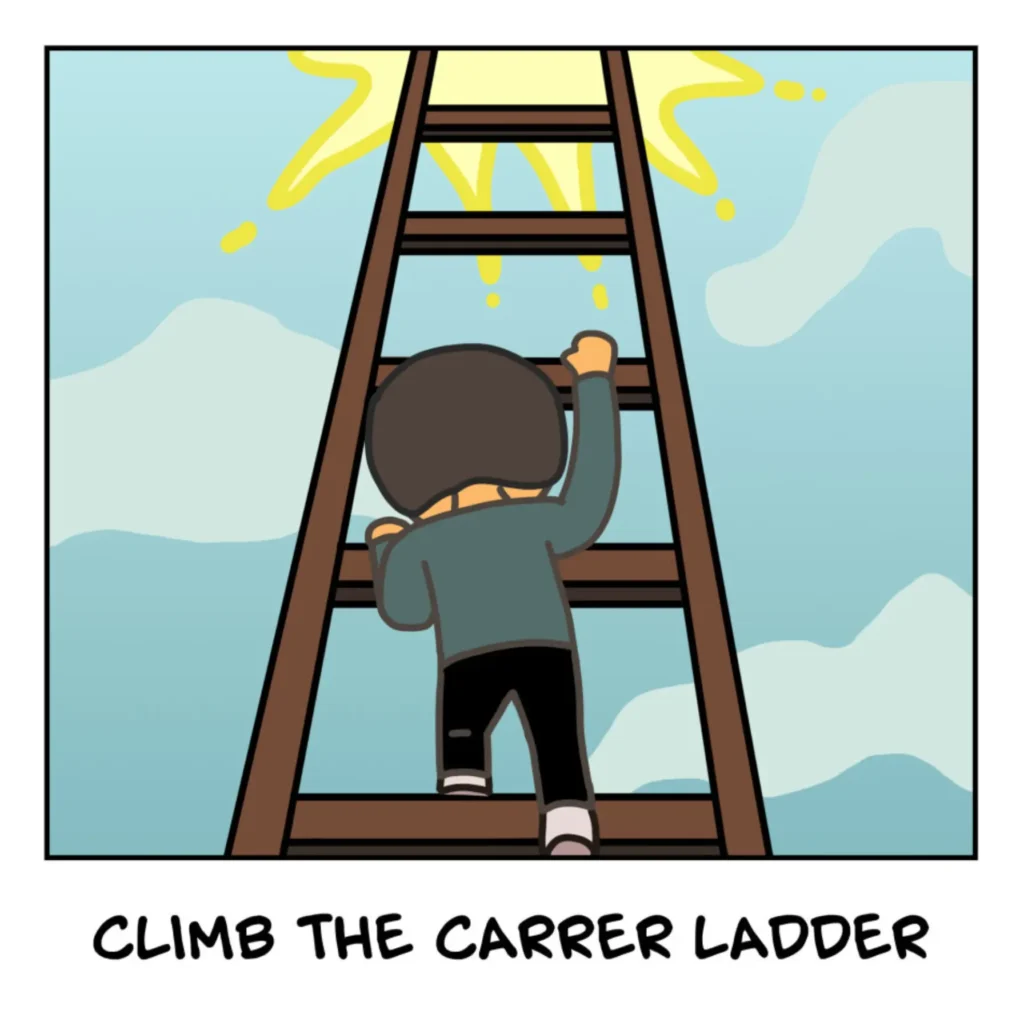
Climb the career ladder – Progress in your job.
- I’m working hard to climb the career ladder in the industry.
Pull an all-nighter – Stay awake all night to study/work.
- I had to pull an all-nighter to finish my research paper.
Hit the books – To study hard.
- I can’t go out, I need to hit the books for my exam tomorrow.
Learn the ropes – To understand how to do a new task.
- It took me weeks to learn the ropes at the office.
A dead-end job – A job with no chance of progress.
- He quit his dead-end job to start his business.
Human Relationships
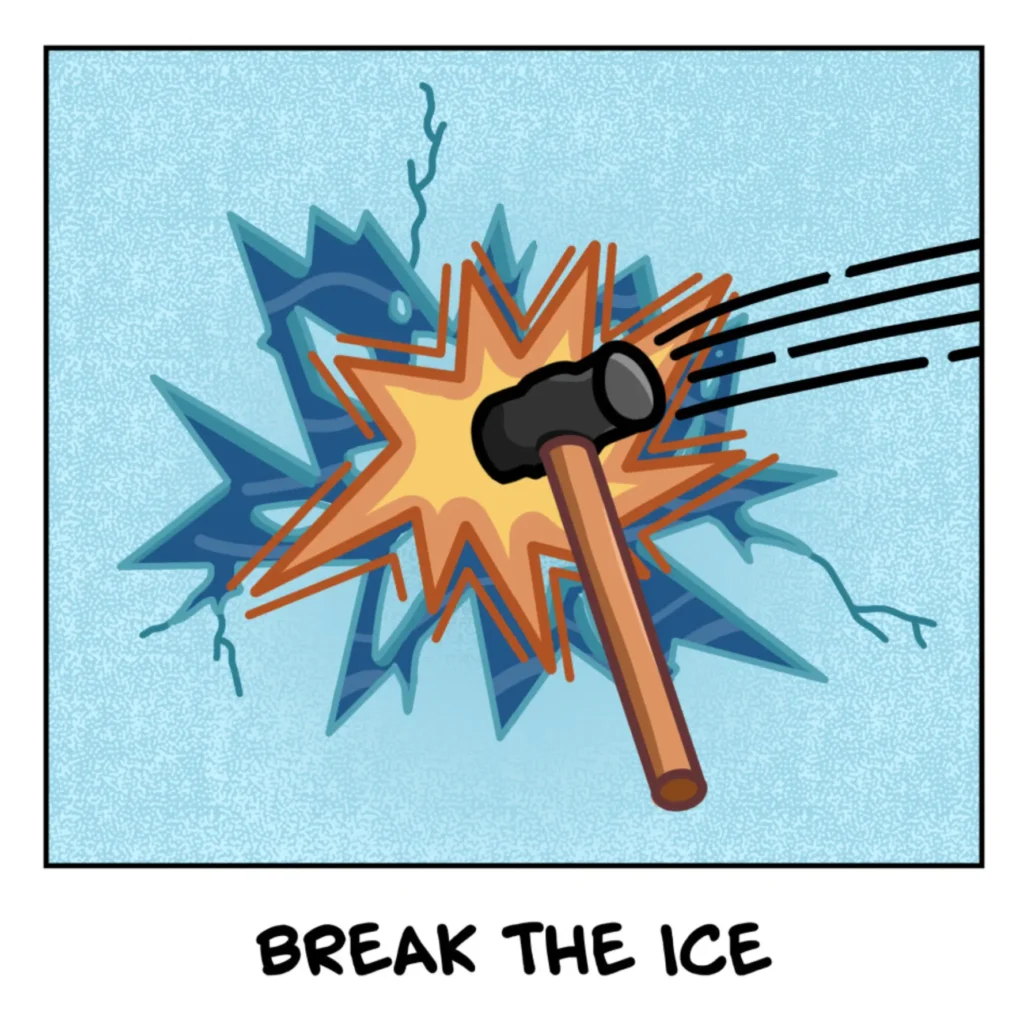
Break the ice – Make people feel more comfortable.
- At the start of class, the teacher told a funny story to break the ice.
Hit it off – To quickly become good friends.
- When I met Sarah, we really hit it off.
Through thick and thin – In good times and bad times.
- True friends stay through thick and thin.
Know someone inside out – To know someone very well.
- I know my best friend inside out.
A shoulder to cry on – Someone who listens to your problems.
- When I failed my exam, my best friend was a shoulder to cry on.
Health & Lifestyle
Fit as a fiddle – Very healthy.
- My grandfather is 80, but he’s still fit as a fiddle.
Burn out – Become extremely tired or exhausted.
- After working overtime, I felt completely burned out.
Under the weather – Feeling unwell.
- I felt a bit under the weather on the day of my exam, but I tried my best.
An apple a day keeps the doctor away – Eating healthy helps you stay well.
- Remember, son, an apple a day keeps the doctor away.
Kick the habit – Stop doing something harmful.
- Many people try to kick the habit of smoking to improve their lifestyle.
Recharge your batteries – Rest and gain new energy.
- After studying for hours, I took a short walk to recharge my batteries.
Emotions & Opinions
Keep an open mind – Be willing to consider new ideas.
- In discussions, it’s good to keep an open mind.
On cloud nine – Extremely happy.
- I was on cloud nine when I received my results.
Cry over spilt milk – Worry about something that can’t be changed.
- There’s no point crying over spilt milk if you make a small mistake in the test.
See eye to eye – Agree with someone.
- In debates, it’s not necessary to always see eye to eye.
Practical Tips for Using Idioms in the Speaking Test
- Be selective: Use idioms that fit naturally with your personality and speaking style.
- Moderation is key: Use 1–2 idioms per answer, not more.
- Context first: Only use an idiom if it improves clarity and fluency.
Common Mistakes with IELTS Speaking Idioms
- Overusing idioms: Cramming too many makes your answers unnatural.
- Wrong register: Some idioms are too casual for exams (chill out may not be ideal).
- Tense errors: Adjust idioms to fit past/present/future tense.
FAQ about Idioms for IELTS Speaking
Can idioms raise my band score?
Yes, idioms can boost your lexical resource score if used correctly.
How many idioms should I use per task?
Aim for 1–2 per answer. Quality over quantity.
Is it OK to reuse the same idiom in different parts?
It’s better to show range. Use different idioms to demonstrate variety!
Where can I learn more idioms in context?
Read newspapers, listen to podcasts, and watch English movies—notice how idioms are used naturally.
If you want to boost your fluency, start creating a list of your favorite idioms for IELTS speaking and revise them. Download our free guide now! Download 100 English idioms with meanings and example sentences (PDF)
Conclusion
Idioms are proof that you can speak English like a native. Just remember:
- Don’t overuse them.
- Choose idioms that fit your topic.
- Practice until they sound natural.
By practicing idioms for IELTS speaking consistently, you’ll develop confidence and stand out. While you’re preparing for the test, you can check the official IELTS exam dates and locations with the British Council to plan effectively.