English Speaking Online: Practical Tips and Resources for Fluency
You’re not alone. Many English learners know grammar and vocabulary, but hesitate when it’s time to speak. The good news is that improving your English speaking online is easier than ever. With the right habits, resources, and consistent practice, you can become a more fluent and confident speaker from anywhere in the world.
Whether you’re preparing for a job interview, studying abroad, improving workplace communication, or simply wanting to speak English more naturally, online learning gives you endless opportunities to practice.
Table of Contents
12 Practical Tips to Improve English Speaking Online
1. Join Online Conversation Groups
Speaking regularly is one of the fastest ways to become fluent.
Join online English conversation groups where you can interact with other learners and native speakers. These sessions improve your confidence while helping you use English naturally in real conversations.
Many learners improve more quickly when they speak regularly instead of only studying grammar.
2. Practice Speaking Every Day
Even a few minutes of daily speaking practice can make a noticeable difference over time.
Try activities like:
- Reading articles aloud
- Describing your daily routine
- Talking about your hobbies
- Answering random speaking questions
- Explaining pictures or short videos
Consistency matters much more than studying for several hours once a week.
3. Use Language Learning Apps
Language learning apps make speaking practice interactive and engaging.
Popular options include:
- Duolingo
- Babbel
- Rosetta Stone
- ELSA Speak
- HelloTalk
These apps help improve pronunciation, vocabulary, listening, and conversational confidence.
4. Watch and Imitate Native Speakers
Watching English movies, YouTube videos, podcasts, and interviews helps you understand how native speakers use pronunciation, rhythm, and intonation naturally.
Instead of simply watching, pause the video and repeat each sentence aloud.
This technique, known as shadowing, is one of the most effective ways to improve spoken English.

5. Enroll in an Online Speaking Course
A structured course provides guided lessons, speaking activities, pronunciation practice, and expert feedback.
Learning from experienced instructors helps you identify mistakes early and develop better speaking habits.
If you’re looking for structured learning, explore the English-speaking resources available on English Language and Literature.
6. Practice with Language Exchange Partners
Language exchange platforms connect you with native speakers who are learning your language.
Talk about everyday topics like:
- Work
- Travel
- Food
- Movies
- Culture
- Daily routines
The goal isn’t perfection. It’s becoming comfortable speaking English naturally.
7. Record Yourself Speaking
Recording yourself may feel uncomfortable at first, but it’s one of the best ways to improve.
Listen carefully for:
- Pronunciation
- Word stress
- Intonation
- Grammar mistakes
- Speaking speed
- Filler words
8. Think in English
Many learners translate from their native language before speaking.
Instead, try thinking directly in English during everyday activities.
For example:
“I’m making breakfast.”
“I need to reply to this email.”
“The weather looks beautiful today.”
This simple habit reduces hesitation and improves fluency over time.
9. Improve Your Pronunciation
Good pronunciation makes communication clearer and boosts confidence.
Focus on:
- Individual sounds
- Word stress
- Sentence stress
- Intonation
- Rhythm
Practicing these together helps you sound more natural.
You can also read our guide on:
Intonation in English: Types, Rules, and Examples
10. Build Your Vocabulary Through Conversations
Instead of memorizing long word lists, learn vocabulary through real conversations.
Keep a notebook of:
- New words
- Useful phrases
- Everyday expressions
- Common collocations
Review them regularly and try using them in conversations.
11. Don’t Be Afraid of Mistakes
Many learners avoid speaking because they’re worried about making mistakes.
Remember:
Making mistakes is part of learning.
Every conversation helps you improve confidence, pronunciation, and fluency.
Progress comes from speaking, not from waiting until you’re perfect.
12. Stay Consistent
Improving spoken English isn’t about studying for one day.
It’s about building small, consistent habits that become part of your daily routine.
The more often you speak, the more natural English becomes.
Common Mistakes When Learning English Speaking Online
Avoid these common mistakes:
- Translating every sentence before speaking
- Waiting until your grammar is perfect
- Speaking too fast
- Ignoring pronunciation and intonation
- Memorizing scripts instead of communicating
- Practicing only reading and writing
Focus on communicating clearly rather than speaking perfectly.
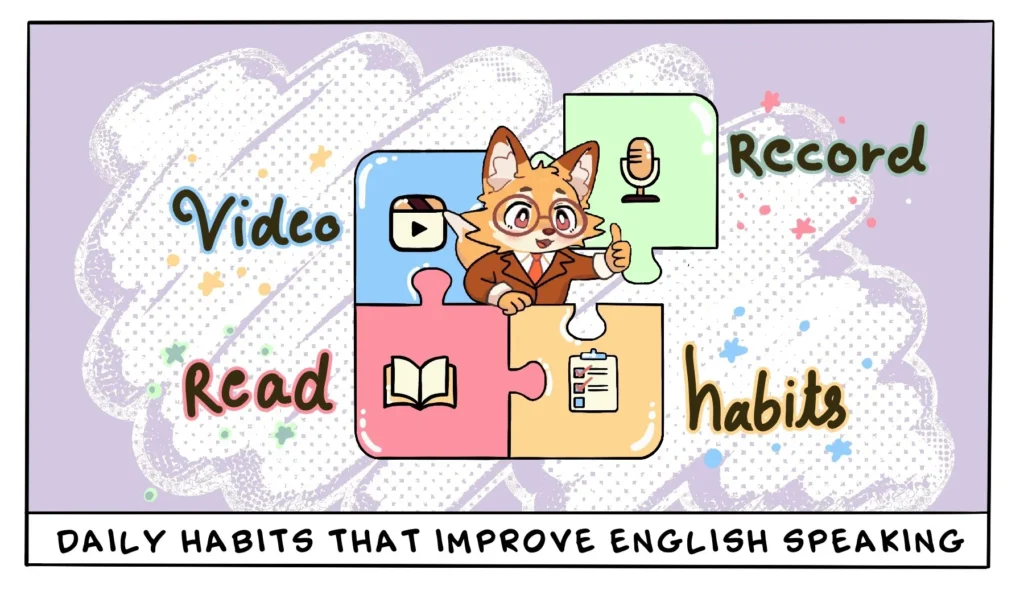
Daily Habits That Improve English Speaking
Try adding these simple habits to your daily routine:
| Habit | Benefit |
| Read aloud | Improves pronunciation and confidence |
| Watch English videos | Builds listening and speaking skills |
| Learn new expressions | Expands vocabulary naturally |
| Record yourself | Identifies areas for improvement |
| Speak with others | Develops fluency and confidence |
Small improvements every day lead to long-term success.
Useful Resources to Practice English Speaking Online
Here are some excellent ways to continue improving:
- Online conversation clubs
- Language exchange communities
- English podcasts
- TED Talks
- YouTube English channels
- AI conversation tools
- English-speaking courses
Mix different resources to improve listening, speaking, pronunciation, and confidence.
Improve Your English Further
If you’d like to continue improving your English, these guides may also help:
Intonation in English: Types, Rules, and Examples
https://englishlanguageandliterature.com/intonation-in-english/
Tips to Improve Spoken English
https://englishlanguageandliterature.com/tips-to-improve-spoken-english/
10 Daily English Conversation Topics
https://englishlanguageandliterature.com/english-conversation-topics/
Parts of Speech in English
https://englishlanguageandliterature.com/parts-of-speech/
Reported Speech Examples
https://englishlanguageandliterature.com/reported-speech-examples/
These articles will help strengthen your grammar, pronunciation, vocabulary, and overall communication skills.
Frequently Asked Questions
Can I really improve my English speaking online?
Yes. With regular speaking practice, quality resources, and consistent effort, online learning can be just as effective as classroom learning.
What is the best way to practice English speaking online?
Joining conversation groups, speaking with language partners, recording yourself, and practicing shadowing are some of the most effective methods.
How long does it take to become fluent?
It depends on your current level and how consistently you practice. Speaking regularly is the key to making steady progress.
Should I learn grammar before speaking?
No. Grammar is important, but speaking regularly while improving grammar gradually leads to faster progress.
How can I improve my pronunciation?
Listen to native speakers, imitate their pronunciation, practice shadowing, and record yourself regularly.
Final Thoughts
Becoming fluent in English doesn’t happen overnight, but every conversation brings you one step closer.
The key is to practice consistently, learn from your mistakes, and make speaking a part of your daily routine.
Whether you’re using language apps, joining conversation groups, watching native speakers, or taking structured courses, every bit of practice builds your confidence.
Start with small conversations today, and you’ll be surprised how much your fluency improves over time.
Quick Speaking Challenge
Choose one of these topics and speak for one minute without stopping:
- Describe your dream vacation.
- Talk about your favourite hobby.
- Explain your daily routine.
- Describe your hometown.
- Share a recent memorable experience.
Record yourself, listen back, and notice what you did well and what you can improve.
The more you practice, the more confident you’ll become.