10 Tips on How to Use Dashes in Writing Correctly (Hyphen, En Dash, Em Dash)
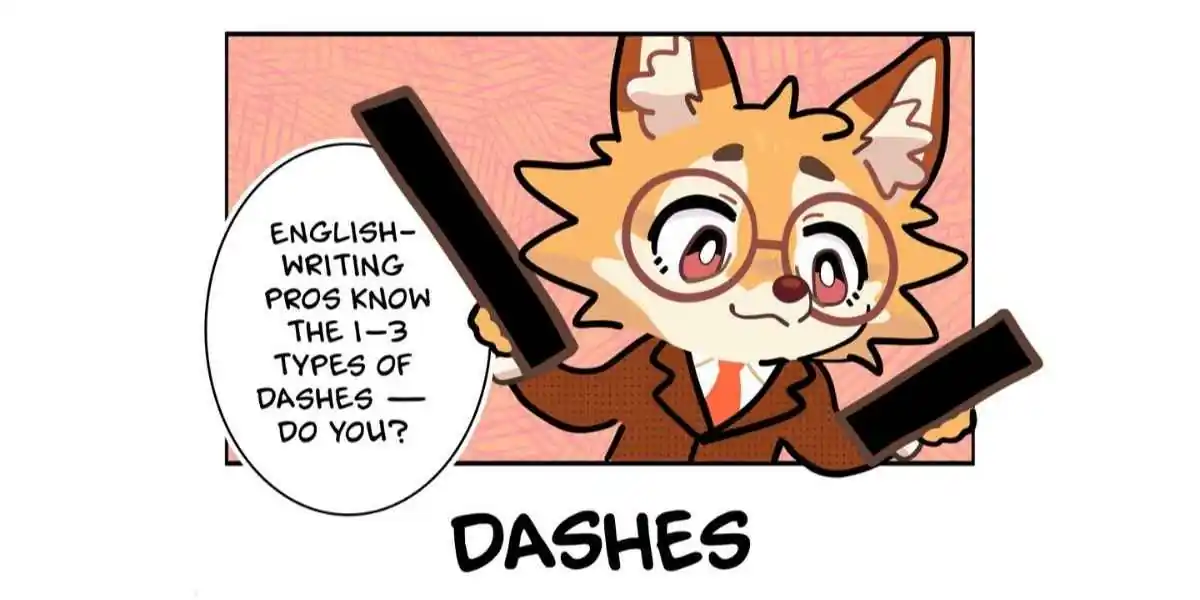
Ever noticed punctuation like 1990–2000 or a sentence that suddenly pauses—like this? That punctuation mark is called a dash, and it shows up everywhere in English writing.
But here’s the catch: there isn’t just one dash. There are three main types, and each one has a different job:
- The hyphen (-).
- En dash (–).
- Em dash (—)
- Using them correctly can make your writing clearer, smoother, and more expressive.
In this guide, you’ll learn how to use dashes in writing, understand the difference between each type, and see simple examples you can start using right away.
Table of Contents
Types of Dashes in English
Hyphen(-) Rules and Examples
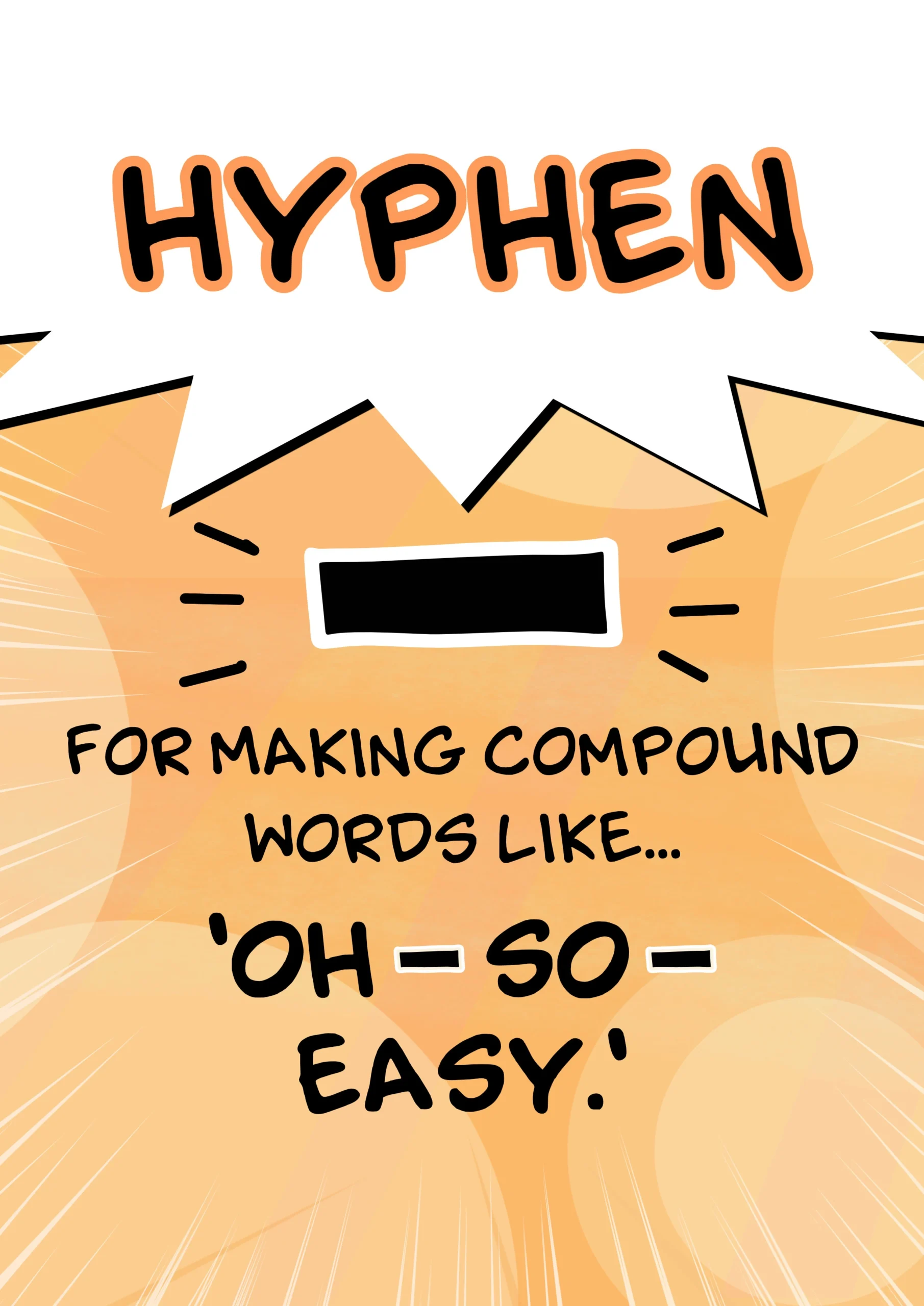
The hyphen (-) is the dash you’ll see most often in English. It’s commonly used to join words together.
You’ll usually find hyphens in compound words—words made by combining two or more words to create a new meaning.
- For example: mother-in-law, check-in, or well-known.
Hyphens also appear with some prefixes, which are small word parts added to the beginning of another word.
Because hyphen rules can vary, it’s normal to feel uncertain sometimes. When in doubt, a quick check in a dictionary or online guide can help you confirm the correct usage.
En Dash (–) Usage
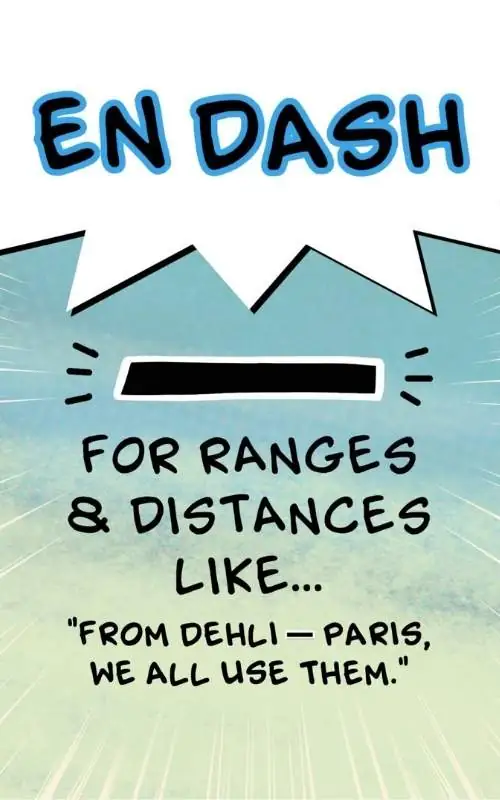
The en dash (–) is mainly used to show a range or connection between two things.
You’ll often see it used with numbers, dates, or locations.
Common uses of the en dash:
- Number ranges
1978–2024 - Time ranges
11:00 a.m.–5:00 p.m. - Connections between places
The New York–London flight
Important tip:
If your sentence already includes words like “from” or “between,” don’t use an en dash.
- ✔ from 1990 to 2000
- ✔ between London and Paris
Em Dash (—) Usage
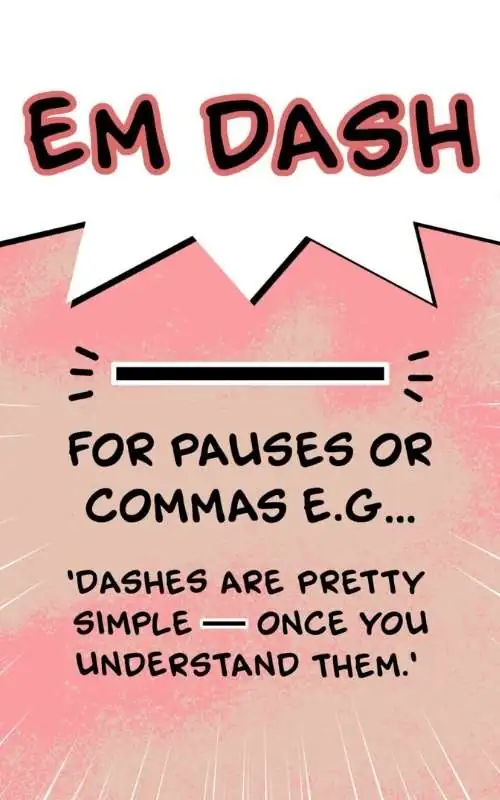
The em dash (—) is used to create a strong pause in a sentence. It works a bit like a comma or parentheses—but with more emphasis.
Writers often use em dashes to add extra information or create a dramatic break in the sentence.
Common uses of the em dash:
- Add extra information
I need three things—milk, eggs, and bread. - Create a dramatic pause
He was sure of one thing—or so he thought. - Show an interrupted sentence
I was just about to say tha—
Em dashes are especially popular in stories, blogs, and conversational writing because they make sentences feel more natural and expressive.
How to Use Dashes in Writing to Improve Clarity and Style
Dashes can make your writing clearer, smoother, and more engaging. They help break up ideas and guide readers through complex sentences.
They’re also useful when you want to add emphasis or extra meaning without writing a longer sentence.
Here are a few ways dashes improve writing:
- Clarify complex ideas
Dashes help separate information so sentences are easier to read. - Organize numbers and ranges
En dashes are useful for dates, times, and numerical ranges—especially in academic or professional writing. - Keep sentences concise
Dashes can replace extra words and make writing more direct. - Create a conversational tone
Em dashes can add pauses or interruptions—making writing feel more natural and expressive.
Used well, dashes can make your writing clearer, more dynamic, and easier to follow.
Where Dashes Are Commonly Used in Writing
Dashes appear in many types of writing. Different styles of writing tend to use them in slightly different ways.
Here are some common places you’ll see dashes:
- Literature and creative writing
Em dashes are very common in stories and novels. Writers use them to create dramatic pauses or show interruptions in dialogue. - Journalism and blogging
Hyphens and en dashes are often used to follow grammar rules or show number ranges, dates, and data. - Academic and professional writing
En dashes appear frequently in reports, research papers, and resumes—especially when showing dates, statistics, or ranges.
Because they improve clarity and structure, dashes are widely used across many different types of writing.
Examples of How to Use Dashes in Sentences
Seeing examples is one of the easiest ways to understand how dashes work in real writing. Below are simple examples for each type of dash.
Hyphen (-) examples
- Well-known author
- Mother-in-law
- Long-term plan
- Fifty-three students
- Ex-wife
f9d4a8
- 1990–2000
- The New York–London flight
- 11:00 a.m.–5:00 p.m.
- Pages 1–11
- 120–190 cm
Em dash (—) examples
- He was gone—or so she thought.
- I need three things—milk, eggs, and bread.
- I just wanted to say tha—
- He waited—and searched—but found nothing.
- There is no time to explai—
These examples show how each dash type serves a different purpose in writing.
Real-World Examples of How Dashes Are Used
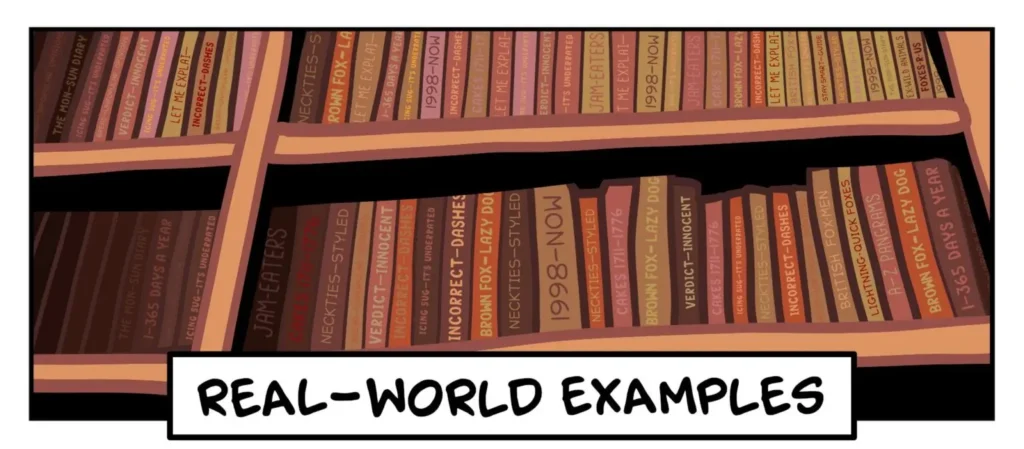
Dashes appear everywhere in everyday English. Seeing them in real content can help you understand how they work naturally.
Here are a few places where you’ll often notice them:
- Books and fiction
Novels frequently use em dashes for pauses and interruptions in dialogue. Hyphens also appear in many compound words. - Movies and TV subtitles
Subtitles often show em dashes for interruptions and hyphens in compound words, which makes them great for learning how they’re used in conversation.
- Business reports and data documents
These often use en dashes to show ranges, dates, and statistics. Reading reports can help you see how they organize numbers clearly. - Resumes and professional documents
En dashes are commonly used to show date ranges, such as work experience or education timelines. - Marketing and advertising
Marketers often use all three types of dashes. Em dashes are especially useful for creating pauses or highlighting key points in slogans and headlines
Final Thoughts on How to Use Dashe in English Writing
Dashes are a small punctuation mark—but they make a big difference in your writing. When used correctly, they can make sentences clearer, smoother, and more expressive.
The key is knowing which dash to use and when. With a little practice, choosing between a hyphen, en dash, or em dash will become much easier.
Quick Quiz: Test Your Dash Skills
Which dash should be used in this sentence?
The conference will take place from 2018 ___ 2022.
- A) Hyphen (-)
- B) En dash (–)
- C) Em dash (—)
Want to check your answer and practice more English?
Join one of our English WhatsApp groups and keep learning with us.