50+ Adverb Examples to Improve Your English Fluency
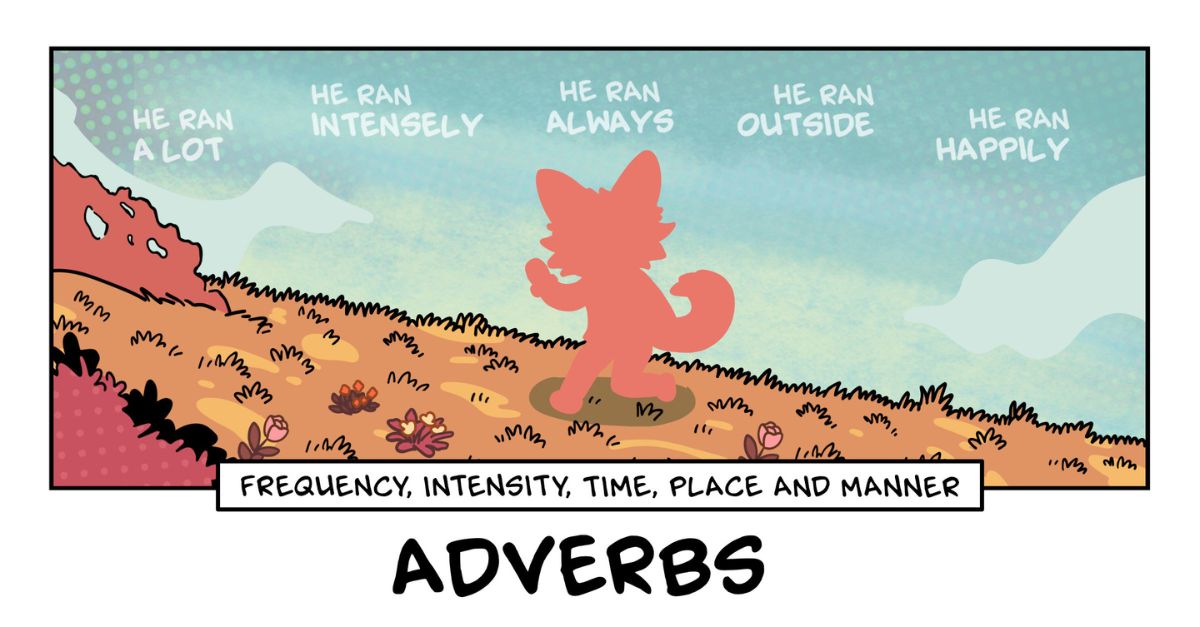
Want to make your English more descriptive, natural and fluent? Learning how to use adverbs correctly is one of the fastest ways to upgrade your speaking and writing skills.
Adverbs are essential parts of speech that modify verbs, adjectives and even other adverbs. They help answer questions like how, when, where, how often and to what extent something happens.
For example:
- “He walked” → simple
- “He walked quickly” → clear and expressive
Mastering adverbs will help you sound more like a native speaker and communicate with confidence.
Table of Contents
What Are Adverbs?
An adverb is a word that describes or modifies:
- A verb (run quickly)
- An adjective (very tall)
- Another adverb (quite slowly)
They add detail, clarity and emotion to your sentences.
Adverb Examples in Everyday Conversations
In daily speech, adverbs help you sound more natural and expressive.
Examples:
- “I ate quickly because I was late.”
- “She spoke softly during the meeting.”
- “I really enjoyed that movie.”
They allow you to:
- Describe actions clearly
- Express emotions
- Add personality to conversations
Adverbs in Academic and Professional Writing
Adverbs improve precision and clarity, especially in formal contexts.
Examples:
- “The results were significantly different.”
- “The team worked efficiently to meet the deadline.”
- “We will respond promptly to your request.”
Using adverbs correctly makes your writing:
- More professional
- More accurate
- Easier to understand
Adverbs in Literature and Media
Writers use adverbs to create vivid imagery and emotional depth.
Examples:
- “She whispered softly.”
- “He looked away nervously.”
- “The crowd cheered wildly.”
Adverbs help:
- Build atmosphere
- Show emotions
- Bring characters to life
50+ Adverb Examples in Sentences
- Adverbs of Manner (How?)
| Adverb | Example |
| quickly | He finished his homework quickly. |
| slowly | The car moved slowly. |
| carefully | She packed the glass carefully. |
| badly | They played badly. |
| gracefully | She danced gracefully. |
| easily | You can win easily. |
| happily | He smiled happily. |
| loudly | The crowd cheered loudly. |
| softly | She spoke softly. |
| well | She sings well. |
| angrily | He slammed the door angrily. |
| calmly | She explained calmly. |
- Adverbs of Place (Where?)
| Adverb | Example |
| here | Sit here. |
| there | Look there |
| nearby | The shop is nearby. |
| outside | They waited outside. |
| above | The birds flew above the clouds. |
| below | The treasure is below. |
| away | He ran away. |
| inside | Come inside. |
| downstairs | She went downstairs. |
| everywhere | We searched everywhere. |
- Adverbs of Time (When?)
| Adverb | Example |
| today | I’ll go to the store today. |
| yesterday | We met yesterday. |
| soon | The train arrives soon. |
| later | Call me later. |
| always | She is always punctual. |
| now | Leave now. |
| early | He woke early. |
| tonight | Let’s meet tonight. |
| then | We ate, then left. |
| last week | I traveled last week. |
| afterwards | We talked afterwards. |

- Adverbs of Frequency (How Often?)
| Adverb | Example |
| often | I often read. |
| rarely | He rarely cooks. |
| never | She never complains. |
| sometimes | We sometimes travel. |
| usually | I usually wake early. |
| seldom | He seldom calls. |
| frequently | She frequently visits. |
- Adverbs of Degree (To What Extent?)
| Adverb | Example |
| very | It’s very cold. |
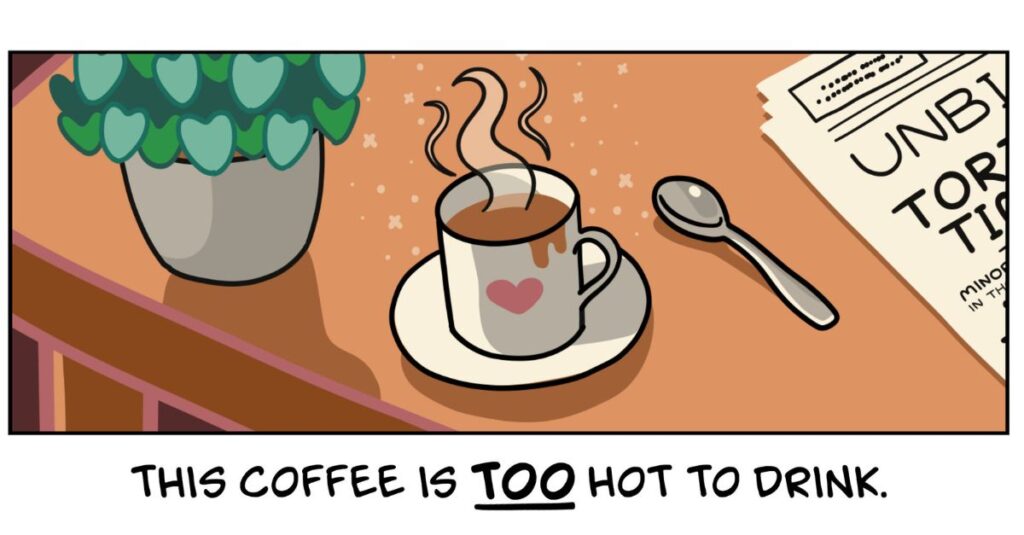
| too | This is too hot. |
| almost | I’m almost done. |
| completely | He was completely tired. |
| absolutely | You’re absolutely right. |
| so | I was so happy. |
| extremely | It’s extremely difficult. |
| quite | She is quite talented. |
| enough | That’s enough practice. |
| just | I just arrived. |
- Adverbs in Idiomatic Expressions
| Adverb | Example |
| so far | So far, so good. |
| right away | Do it right away. |
| at once | Come at once. |
| pretty much | We’re pretty much done. |
Discover powerful adjectives that can instantly improve your vocabulary and help you describe people more effectively.
How to Practice Using Adverbs
Improving your adverb usage takes practice.
Try these methods:
Identify Adverbs
Read articles or books and highlight adverbs. Notice how they’re used.
Rewrite Sentences
Turn simple sentences into detailed ones:
- “She runs” → “She runs quickly”
Speaking Practice
Describe your day using adverbs:
- “I woke up early and worked efficiently.”
Use Learning Tools
Apps, quizzes and worksheets help reinforce learning.
Adverbs in Real-Life Situations
Everyday Life
- “The queue moved incredibly slowly.”
- “I feel extremely happy today.”
Professional Settings
- “Sales increased significantly.”
- “We will respond promptly.”
Creative Writing
- “He walked bravely into the cave.”
- “She replied stubbornly.”
Looking Ahead
Adverbs are powerful tools that make your English:
- More detailed
- More expressive
- More natural
By learning and practicing these 50+ adverb examples, you can transform your communication skills and speak with greater fluency and confidence.
Start small, practice daily and soon you’ll notice a big improvement in your English.
Adverb Quiz: Test Your Skills
Ready to check your understanding of adverbs? Try this quick quiz!
Choose the Correct Adverb
1. She completed the task ______.
a) quick
b) quickly
c) quickest
2. He speaks English very ______.
a) good
b) well
c) better
3. They arrived ______ at the party.
a) late
b) lately
c) latest
4. I have ______ finished my homework.
a) near
b) nearly
c) nearest
5. The baby is sleeping ______.
a) quiet
b) quietly
c) quieter
References:
- https://englishlanguageandliterature.com/blogs/hard-english-words/
- https://www.grammarly.com/blog/parts-of-speech/adverb/
- https://englishlanguageandliterature.com/adjectives-to-describe-someone/
- https://englishlanguageandliterature.com/another-phrase-for-not-only/
- https://owl.purdue.edu/owl/general_writing/grammar/adjective_or_adverb/index.html